

Where is Yellowstone
96% of Yellowstone National Park is located in the northwestern part of Wyoming. It also extends into eastern Idaho and southern Montana, although these areas are not open to visitors. Part of the magic of this place is that it is far from any city, which means it has remained largely untouched by humans in many ways.
Here are the distances to a few cities to give you an idea:
- Salt Lake City (Utah): 338 miles or 540 km (6 hours)
- Denver (Colorado): 511 miles or 818 km (9 hours)
- Bozeman (Montana): 79 miles or 126 km (1:20h)
- Boise (Idaho): 390 miles or 624 km (6h)
- Seattle (Washington): 744 miles or 1,190 km (12h)
- Portland (Oregon): 819 miles or 1,311 km (13 hours)
- San Francisco (California): 942 miles or 1,507 km (15 hours 30 minutes)
- Las Vegas (Nevada): 743 miles or 1,189 km (11h)
- Jackson (Wyoming): 58 miles or 92 km (1 hour 20 minutes)
- Cody (Wyoming): 53 miles or 84 km (1 hour 10 minutes)

🚐 The U.S. is a paradise for traveling by camper van or motorhome: there are plenty of campgrounds, wonderful places to stay overnight for free, and amenities around every corner.
If you'd like to try this way of traveling, the United States is the place to do it!
💸 And you can save a lot of money on lodging and food!
➡️ We always book through this rental search engine because they work with all the companies and have great deals.
What are the closest airports to Yellowstone
The closest airports to Yellowstone are Jackson (Jackson Hole Airport, Wyoming) and Bozeman (Bozeman Yellowstone International Airport, Montana), with the latter offering the most flights and destinations. There are also airports in Cody (Yellowstone Regional Airport, Wyoming) and West Yellowstone (Yellowstone Airport, Montana); the names might be confusing, but they only serve 1 or 2 very specific destinations during the summer.
What are the entrances to Yellowstone
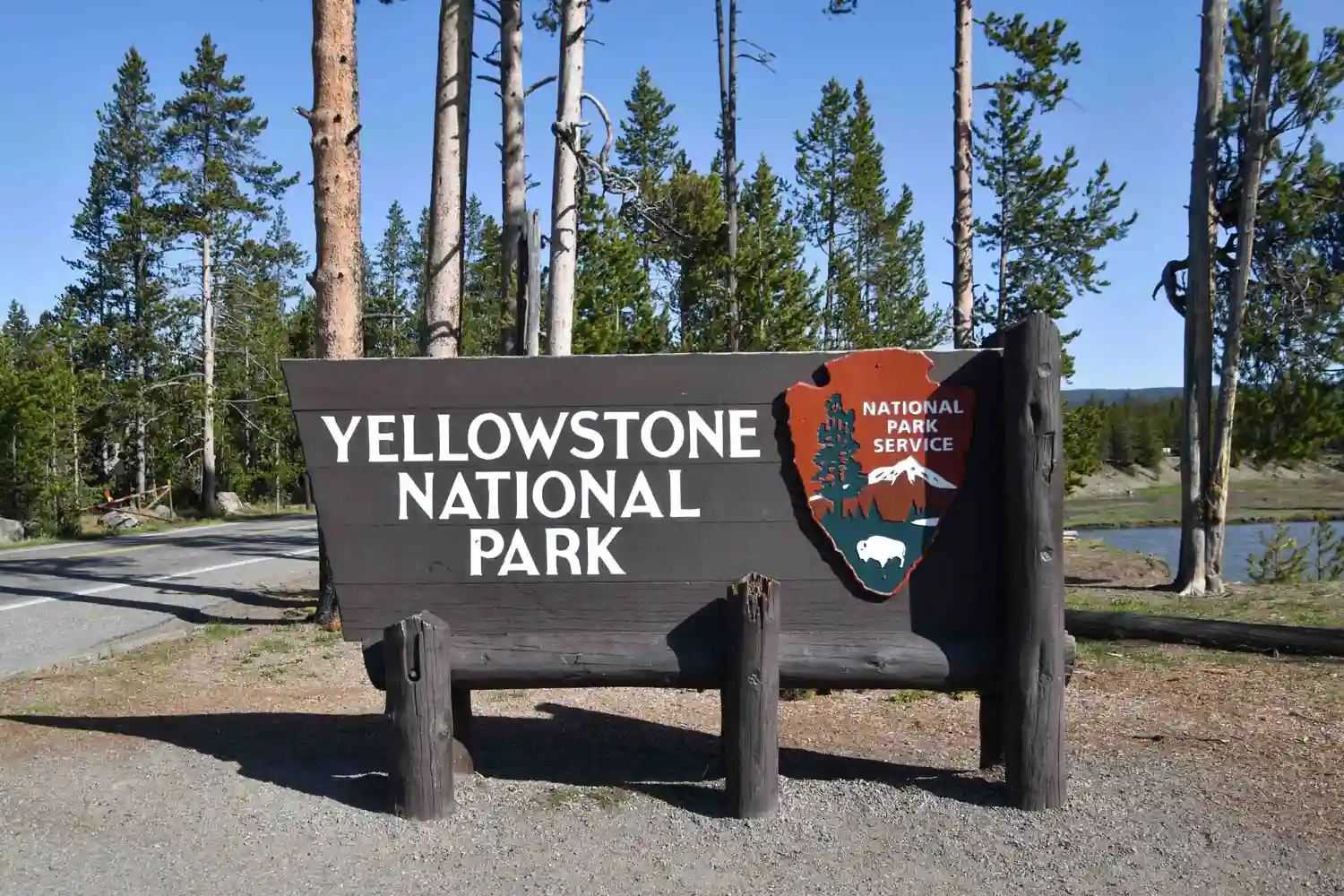
Yellowstone National Park is vast and has five road entrances, although three of them are closed during the colder months due to snow accumulation. All of them are connected by the roads that run through the park, and you can enter and exit through different entrances.
South Entrance
This entrance is adjacent to Grand Teton National Park—you basically just drive from one park to the other—and it’s also the closest to Jackson and its airport. If you plan to drive from Denver to Yellowstone, this is the closest entrance along with the East Entrance, and if you want to drive from Salt Lake City to Yellowstone, this entrance and the West Entrance are the most recommended.
It is the closest to the Grant Village and West Thumb Geyser Basin areas, and is also near Old Faithful and Lake Village. While it may be a good option for arriving at the park on the first day or leaving on the last, we don’t think it’s suitable as a base, since all accommodations are located in Jackson, more than an hour away.
During the winter months, typically from early November to mid-May, it is closed due to snow accumulation.
East Entrance
This entrance is the closest to the town of Cody and the closest option if you plan to drive from Denver to Yellowstone. It’s near Lake Village and Hayden Valley and is a good choice for visiting the Grand Canyon of Yellowstone. It’s usually closed from early November to early May due to snow accumulation.

INTERNET IN THE UNITED STATES
💡 The most convenient way to get internet access in the U.S. is to buy an eSIM—that way, you'll have a connection as soon as you set foot in the country. Plus, local SIM cards in the U.S. are pretty expensive.
💸 We have 2 discounts for your unlimited data eSIM for the US:
⭐5% OFF with Holafly ➡️ Excellent coverage
⭐20% OFF with eSIMFlag ➡️ Best price
🤓 Take a loot at: Best SIMs & eSIMs for traveling to the USA
While it may be a convenient way to enter the park on the first day or leave on the last, we don't think it's a good option for a base, since accommodations and amenities are scarce and the town of Cody is more than an hour away.
Northeast Entrance
This entrance is the closest to the towns of Cooke City and Silver Gate and is ideal for visiting Lamar Valley and Tower Fall. Although it is one of only two entrances that are open year-round, we would only consider it a good base for wildlife viewing, given its proximity to Lamar Valley. While it is closer than the South and East entrances, it has the fewest amenities of all.
North Entrance
This entrance is the closest to Gardiner, Bozeman, and the airport. If you're planning to drive from Seattle to Yellowstone or from Portland to Yellowstone, this is the closest entrance, along with the West Entrance. It's also ideal for visiting the Mammoth Hot Springs area or heading to Lamar Valley.
It’s one of the best places to stay and visit the park, as it’s the closest to the area’s main airport (just over an hour from Bozeman), and the town of Gardiner offers many amenities and is open year-round. The town is home to Roosevelt Arch, the historic gateway to Yellowstone.
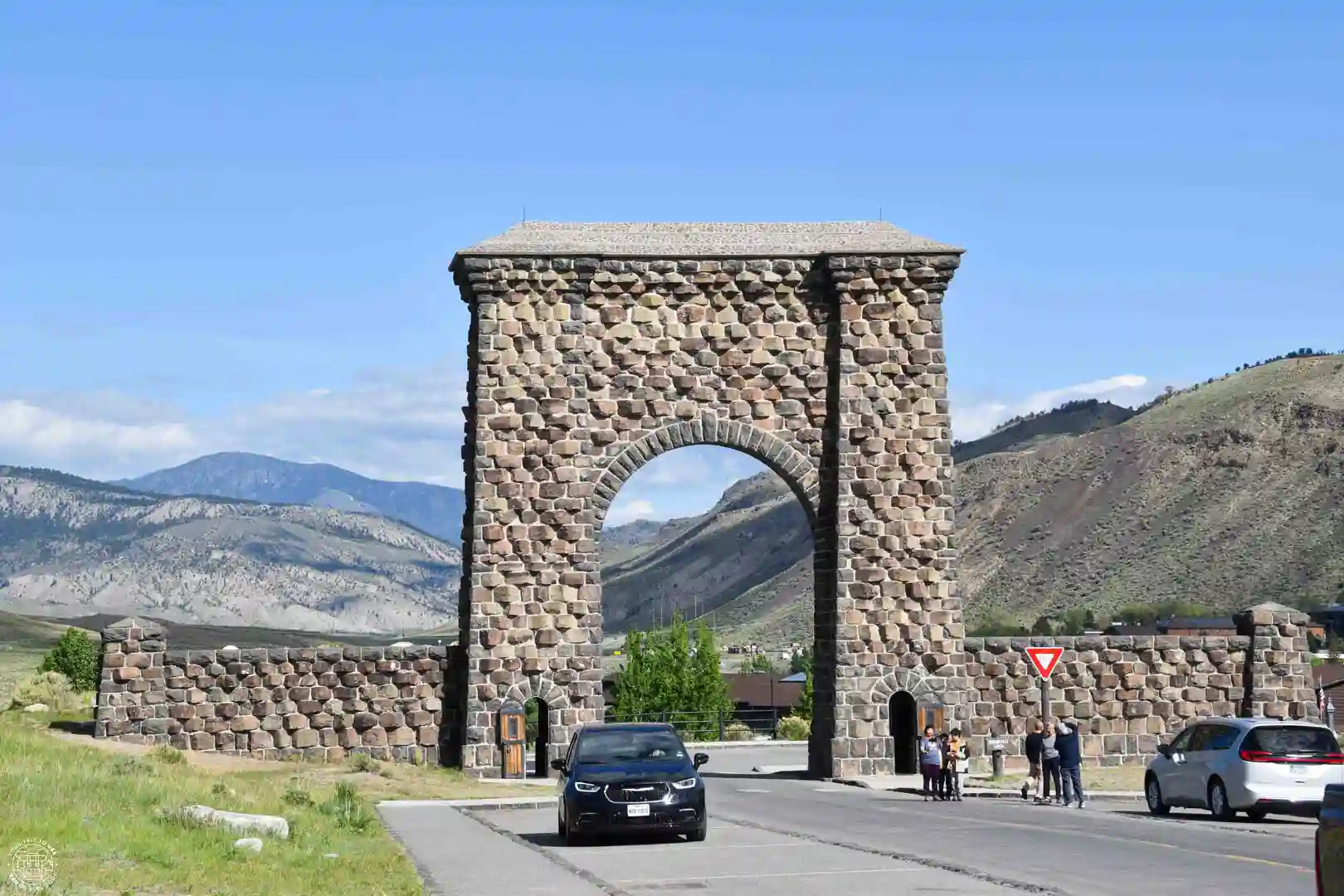
West Entrance
This entrance is the closest to the town of West Yellowstone and is about the same distance from the North Entrance if you plan to drive from Seattle to Yellowstone or to drive from Portland to Yellowstone. It is also the closest to southern Idaho and the states of California and Nevada.
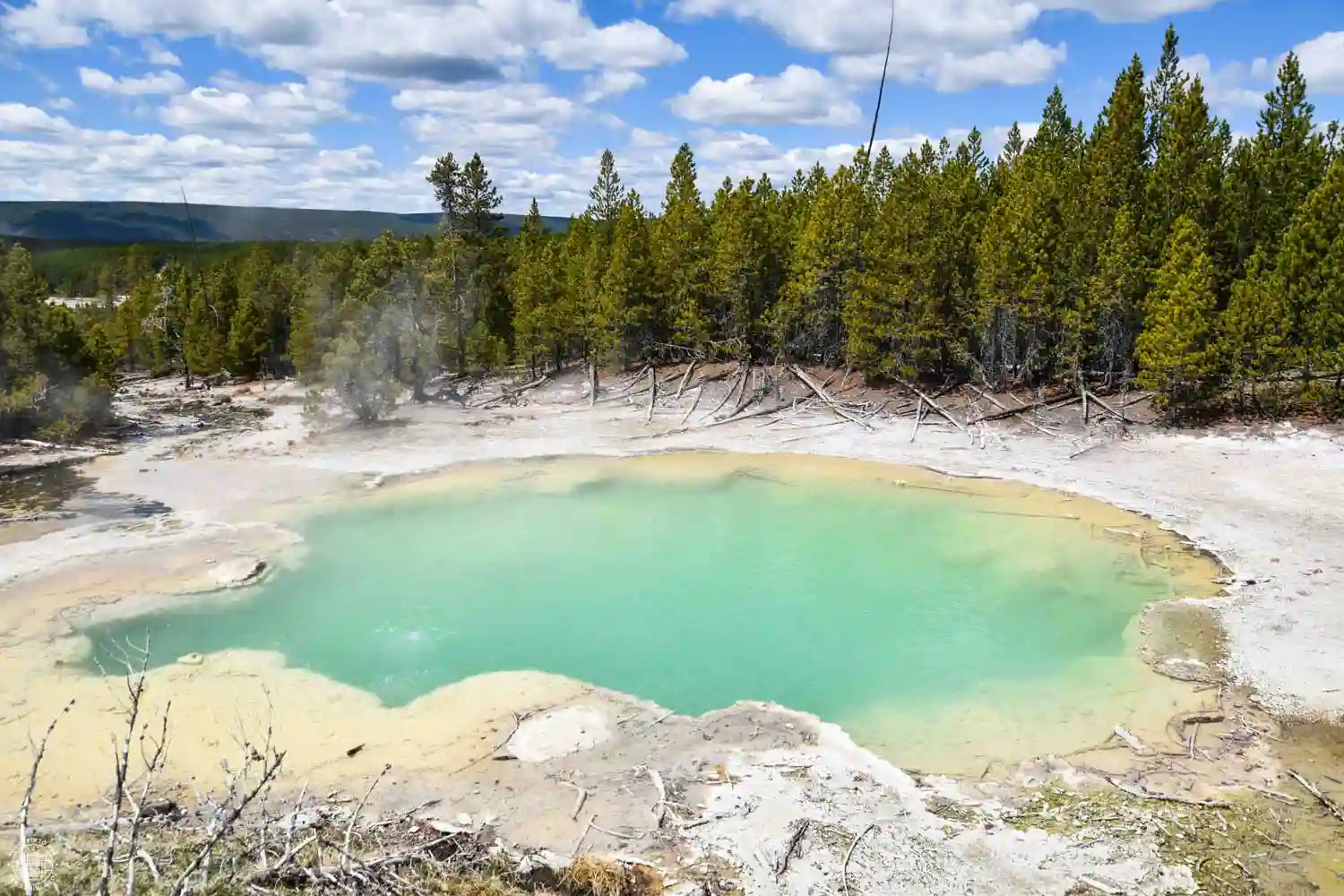
This is the ideal starting point for visiting the geyser fields of Norris Geyser Basin, Lower Geyser Basin, Midway Geyser Basin, and Upper Geyser Basin, including Old Faithful. It’s also perfect for visiting the park during the summer months due to its proximity to many attractions and the variety of lodging and services available. During the colder months, from early November through mid-April, the road is usually closed due to snow accumulation.
How to Get to Yellowstone
The best way to get to Yellowstone National Park is to combine a flight with a rental car or a rental RV. We recommend flying into Bozeman or Jackson airports, which are the closest to the park, and picking up your vehicle there so you can travel with complete freedom. You also have the option of picking up the car at one airport and dropping it off at the other, though this will be more expensive. We’re sharing our 10-day Grand Teton, Yellowstone, and Glacier itinerary in case you need some inspiration!
Another option worth considering is flying into Salt Lake City, which has a much larger airport than the ones mentioned above, and then driving to Yellowstone National Park (6 hours). A great idea is to combine a visit to Yellowstone with a 10-day U.S Southwest road trip or a 15-day American Southwest itinerary, flying to or from Los Angeles or San Francisco.

RENT A CAR IN THE UNITED STATES
The best way to explore the United States is by car, giving you the freedom to travel at your own pace.
🚗 Whether you’re looking for a convertible Mustang, a 4x4, or a regular car, we recommend to book through this car rental search engine
💸 This is where we find the best prices, both on the rental car itself and on full coverage insurance!
⚠️ If you plan to visit Yellowstone National Park via the South Entrance, keep in mind that even if you don’t visit the park itself, you’ll be passing through Grand Teton National Park, and if you don’t have an America the Beautiful pass, you’ll have to pay the park entrance fee.
Getting Around Yellowstone
The most comfortable and practical way to get around Yellowstone is by car, most likely a rental car, this is because the distances are very long, and there is no public transportation in the park. Another option is to book a Yellowstone tour from West Yellowstone, Jackson, or Cody, although on a one-day tour you’ll miss out on many of the park’s attractions.
The park’s road network is very extensive and consists of a double loop called the Grand Loop. This is very convenient since it connects the main tourist attractions to the access roads, leaving none isolated. The Grand Loop is 142 miles or 229 km long (😮 that’s a lot!) and consists of two smaller loops, called the Lower Loop (southern section) and the Upper Loop (northern section).
How much is admission to Yellowstone
The standard admission price for Yellowstone National Park varies depending on your mode of transportation:
- Cars, motorhomes , and vans with up to 15 seats: $35 per vehicle. This rate covers all passengers traveling in the vehicle. If you are a non-resident, there is an additional charge of $100 per person.
- Motorcycle: $30; covers 2 motorcycles and up to 4 passengers.
- On foot or by bike for those 16 and older: $20 per person.
💡Recommended: 14 tips for traveling through the U.S. Southwest
This ticket grants you access to the park for 7 consecutive days, and you can purchase it at any of the park entrances. 💸 Both credit cards and cash are accepted, so we recommend reading our article on the best credit cards for traveling to the United States to avoid fees.
There are also a number of passes that already include admission to Yellowstone National Park; if you have any of these, you won't have to pay anything extra:
- Annual Entrance Pass: $70, granting unlimited admission to the park for 12 months. Available only to U.S. citizens and residents.
- America the Beautiful Pass: $80, granting you access to all U.S. national parks and other natural areas for 12 months. Available only to U.S. citizens and residents.
- America the Beautiful (Non-Residents): $250, granting you access to all U.S. national parks and other natural areas for 12 months. For non-residents only.
⚠️ Yellowstone is one of the national parks where visitors must pay an additional $100 per person at the entrance if they do not have the America the Beautiful Non-Residents Pass.
When to visit Yellowstone
Although the park is open year-round, the best time to visit Yellowstone is undoubtedly from late May to mid-October, as all the roads are open and you can explore the entire park on your own. Keep in mind that tourist traffic is heaviest in July and August, and prices tend to rise during those months.
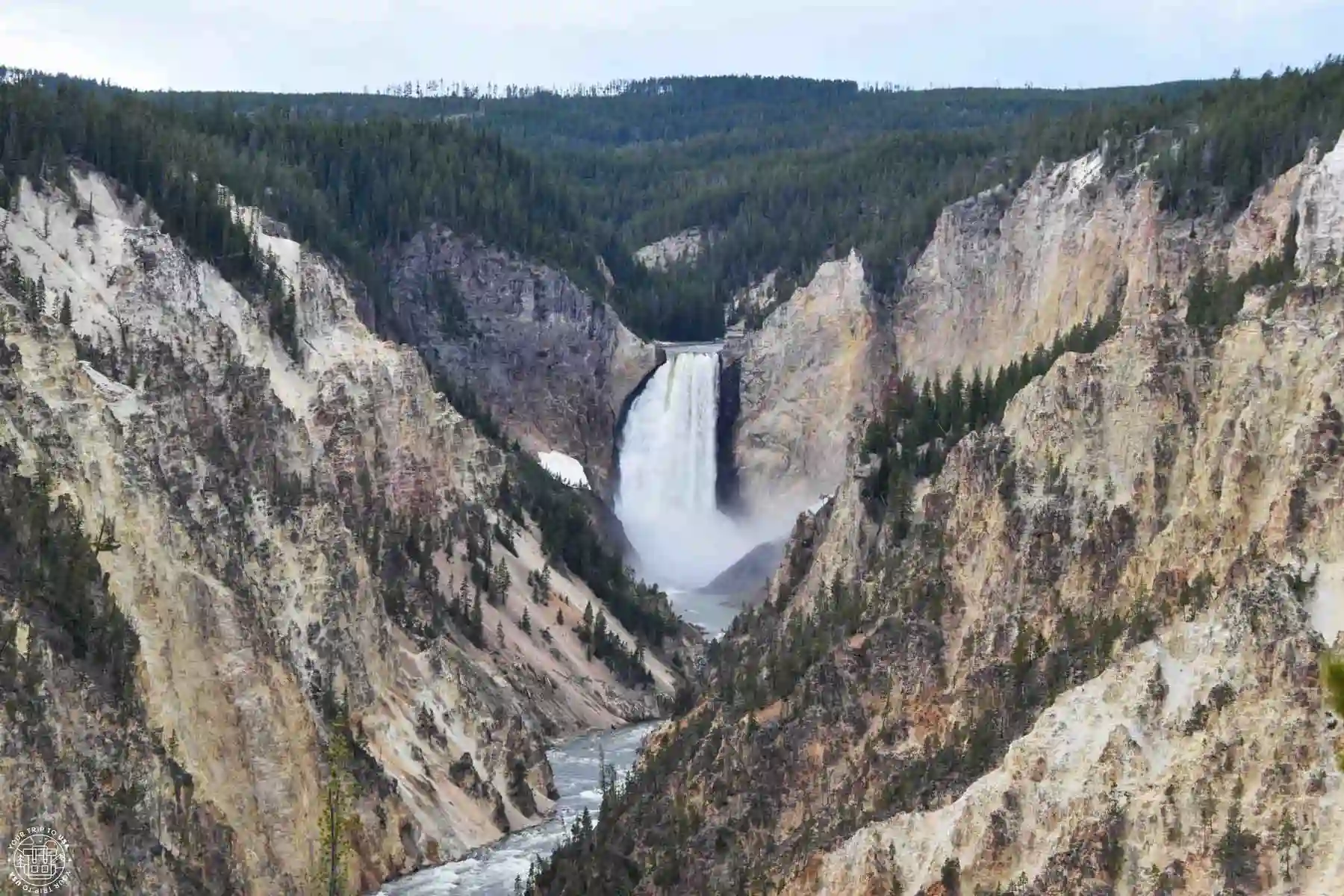
❄️Visiting Yellowstone in winter
During the fall, the south, east, and west entrances gradually close, as do most of the park’s roads and facilities. Only the north and northeast entrances and the road connecting them remain open. The main attractions that remain open throughout the winter are the Mammoth Hot Springs area and Lamar Valley.
Winter is the perfect time to spot wildlife such as wolves and bison in the snow. You can drive your own vehicle between Mammoth Hot Springs and Lamar Valley or book a winter Yellowstone tour.
To explore other areas of the park, your only option is to take the winter shuttle buses or join a tour from Mammoth Hot Springs operated by Yellowstone National Park Lodges.
 NO FEES CARD FOR THE UNITED STATES
In the U.S., you'll pay for almost everything by card. If you use one from your regular bank, you'll get hit with a ton of currency conversion fees.
💡 That's why we recommend to get the Wise card. There's no maintenance fee, and you can:
💸 Withdraw $250/month in any currency with no fees
💳 Do payments in any currency with no extra fees
Where to Stay in Yellowstone
There are several options for lodging in Yellowstone National Park, ranging from lodges within the park to camping in designated areas or staying in one of the nearby towns.
🏨 Since this is a very long topic, we have a dedicated post on where to stay in Yellowstone National Park, where we’ll walk you through all your options.
There are up to nine different lodging options within the park, though the most notable are the Old Faithful Inn and Mammoth Hot Springs & Cabins. If you prefer to look for accommodations around Yellowstone, your wallet will thank you—and the towns where you can find lodging include West Yellowstone, Gardiner, Jackson, Cooke City, and Cody.
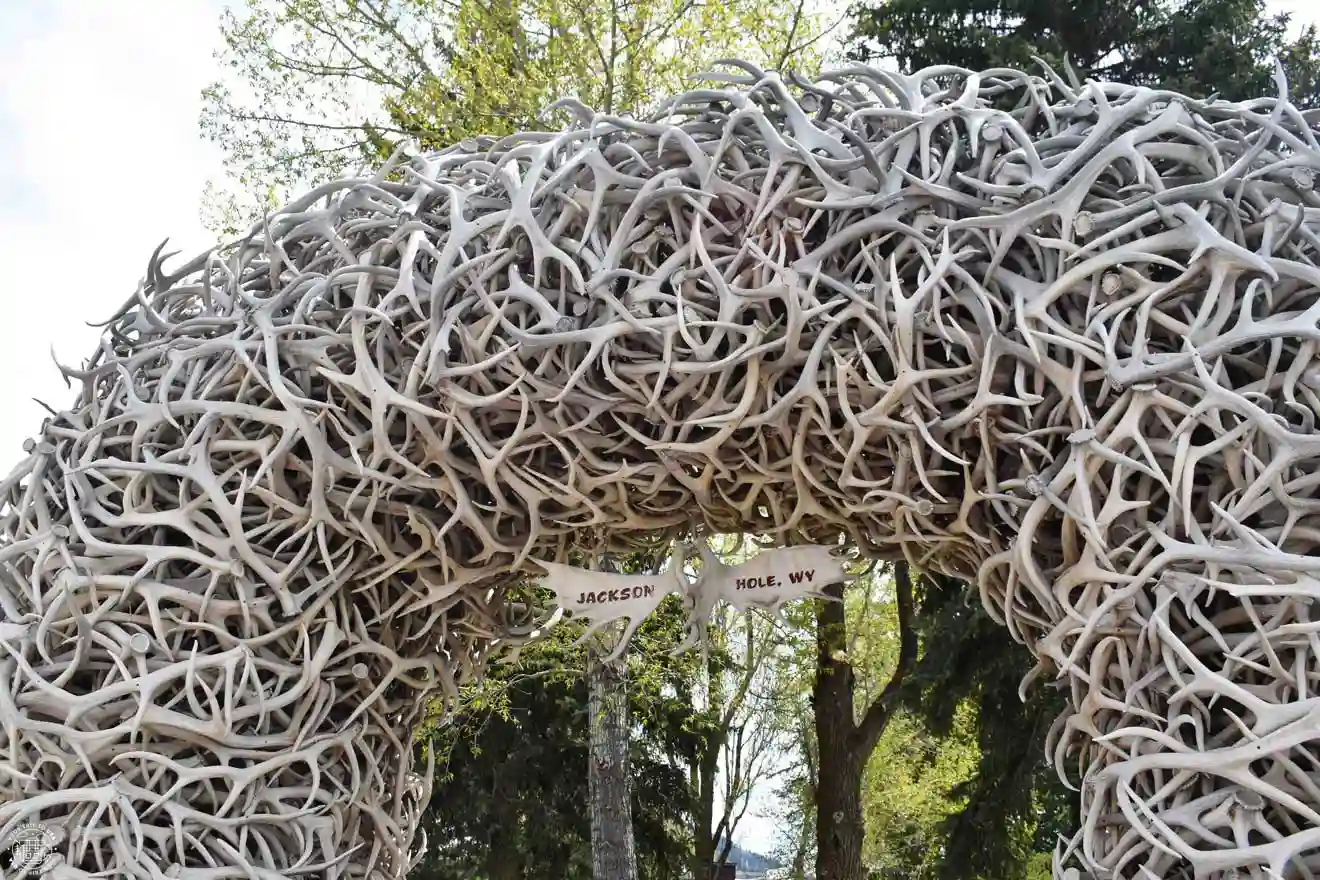
How many days should you spend in Yellowstone
It’s a vast national park with countless attractions, and you’d need to spend several days there if you want to see absolutely everything. But since we know your time is limited, you should plan to spend between 3 and 5 days in Yellowstone, like in this 7-day Grand Teton and Yellowstone itinerary.
Three days is enough to see the park’s main attractions, though you’ll have to skip some areas. With four days, you should be able to visit the different areas, and with five, you can take your time exploring the park or spot wildlife in Lamar Valley without rushing.
What to See in Yellowstone
There are so many things to see in Yellowstone, so we've put together a comprehensive post highlighting the must-see attractions in Yellowstone National Park.
Tips for First-Time Visitors to Yellowstone
- ⛽ Fill up your car’s gas tank before entering Yellowstone; although there are gas stations inside the park, prices are higher than those outside. It’s best to fill up in Jackson, West Yellowstone, Gardiner, or Cody, as that’s where you’ll find the most gas stations and the best prices. We always use the GasBuddy app or Google Maps to find the cheapest gas stations.
- 🌄 Try to get there early, since it’s a huge park and that way you’ll make the most of your day. There may be some lines at the entrances and crowds at the most popular spots starting around mid-morning.
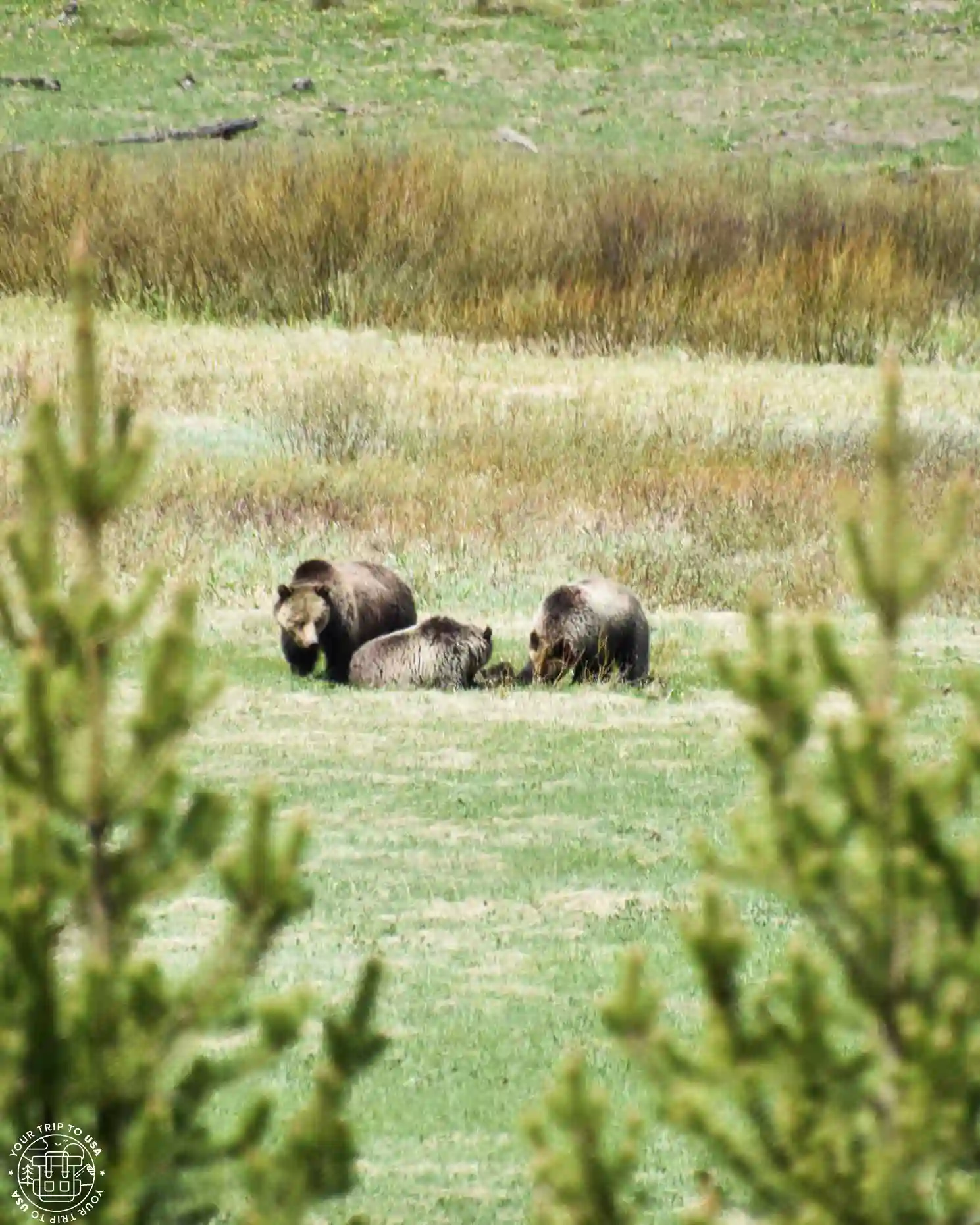
- 🐻 Black bears and grizzlies live here. Be sure to follow the established rules to avoid unfortunate encounters, such as maintaining a safe distance, following the rangers’ instructions, and securely closing trash cans—all of which are equipped with bear-proof lids.
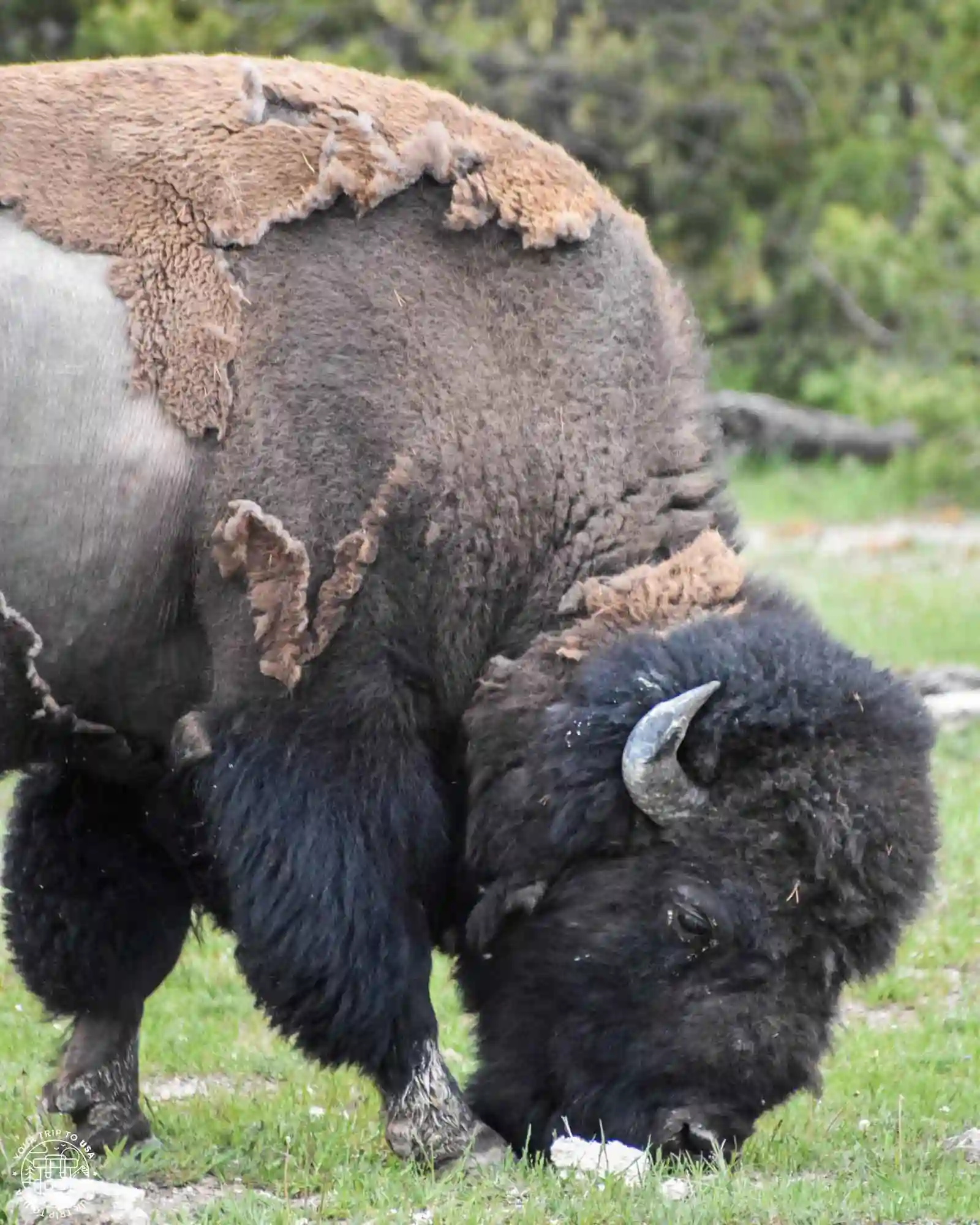
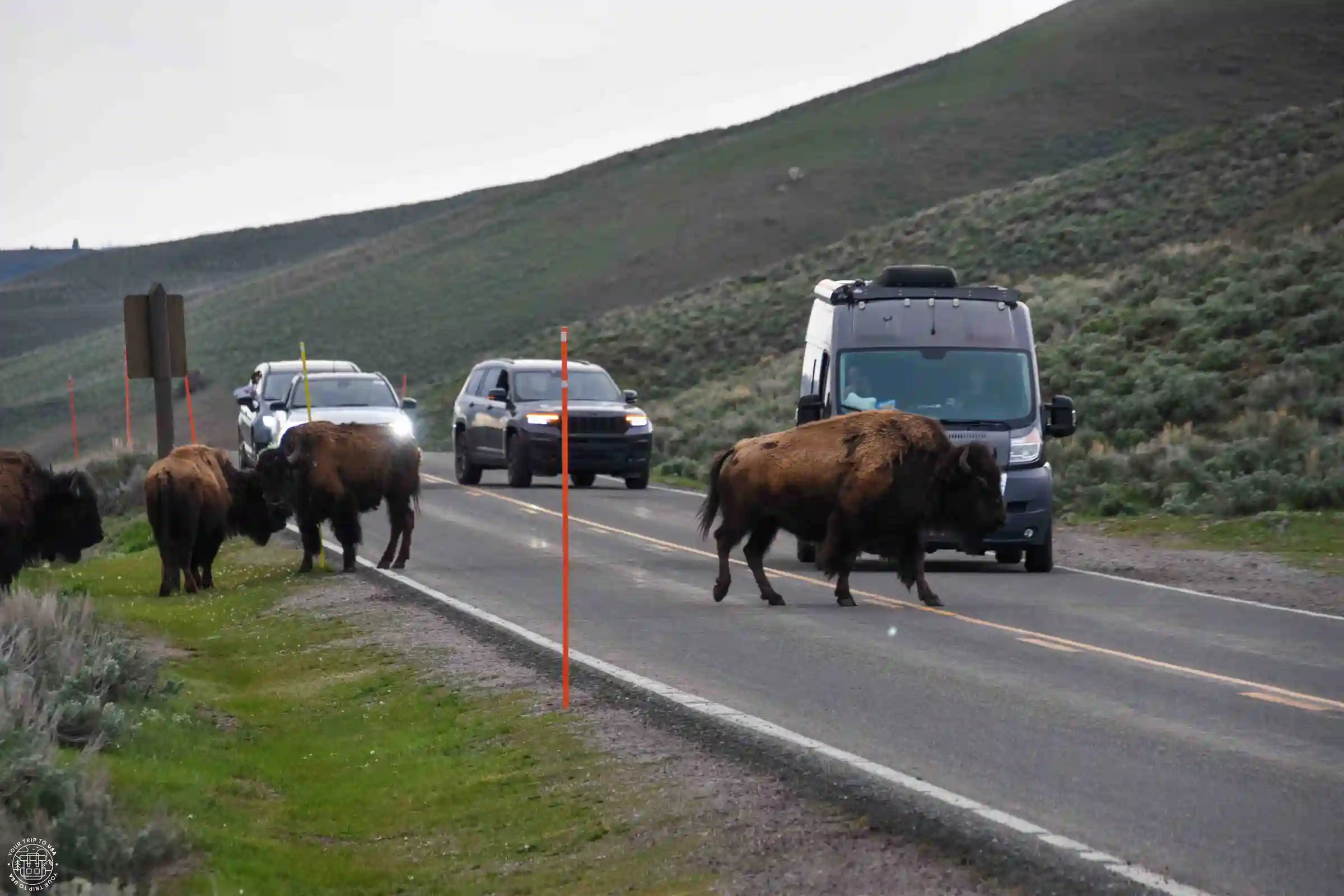
- 🦬 Keep a safe distance from animals, especially bison, as they can be very dangerous.
- 🏨 Book your accommodation well in advance if you're visiting during peak season. Check out our post on where to stay in Yellowstone to choose your hotel.
- 🚗 Observe the speed limit of 45 mph or less, follow access restrictions on certain secondary roads such as Firehole Lake Drive, and try to stop and park in designated areas or on the side of the road if possible.
- 🐿️ Do not touch or feed the animals—including squirrels—or take any plant species with you. This is strictly prohibited, and fines can reach up to $5,000.
- 🚶🏻Stay on the marked paths and/or wooden walkways; this can be dangerous, especially in geothermal areas.
- ℹ️ Check the park’s official website for information on road and access openings, wildfires, geyser eruption schedules, trails, maps, and more.
- 🌋 Check the eruption forecast for the main geysers so you don't miss a single one!
- 🥪 Bring some sandwiches or snacks and a reusable water bottle to make the most of your time at the park; there are water fountains at the visitor centers where you can refill them.
- ⛺ If you want to do backcountry camping because you’re going on a hike that requires it, you must obtain a wilderness permit. You can get one on the recreation.gov website or app, and there is a fee.
Map of Yellowstone
On this map, you'll find the various entrances, visitor centers, restaurants, gas stations, and supermarkets within the park, as well as accommodations in the surrounding area. We hope you find it useful!
FAQs About Yellowstone
What's the best way to explore Yellowstone National Park?
The best way to get around is by car, since the park is very large and the attractions are quite spread out. The main road forms a loop called the Grand Loop Road, which makes it easier to explore. There are also tours ranging from one to several days, though the price is quite high.
Can you visit Yellowstone National Park in a day?
Yes, but it's not ideal. In just one day, you can see some of the most famous sights, but you'll miss out on many parts of the park.
How do you get around Yellowstone National Park?
A car is practically a must. There is no local public transportation, and the distances between places can be long, so it’s a good idea to plan your routes carefully.
Is it easy to drive in Yellowstone National Park?
Yes, but keep in mind that there may be heavy traffic during peak season and animals on the road. It’s important to drive carefully and patiently, obey speed limits, and park in designated areas or on the side of the road without blocking traffic.
Is it necessary to book lodging in advance at Yellowstone National Park?
Yes, especially in summer. Accommodations inside the park usually sell out months in advance.
Is Yellowstone National Park worth visiting?
Yes, it is one of the most spectacular national parks in the world, featuring unique geysers, volcanic landscapes, and a wide variety of wildlife.
Is it safe to visit Yellowstone National Park?
Yes, as long as you follow the park rules. It's important to keep your distance from the animals and stay within the marked areas.
Can you see animals in Yellowstone National Park?
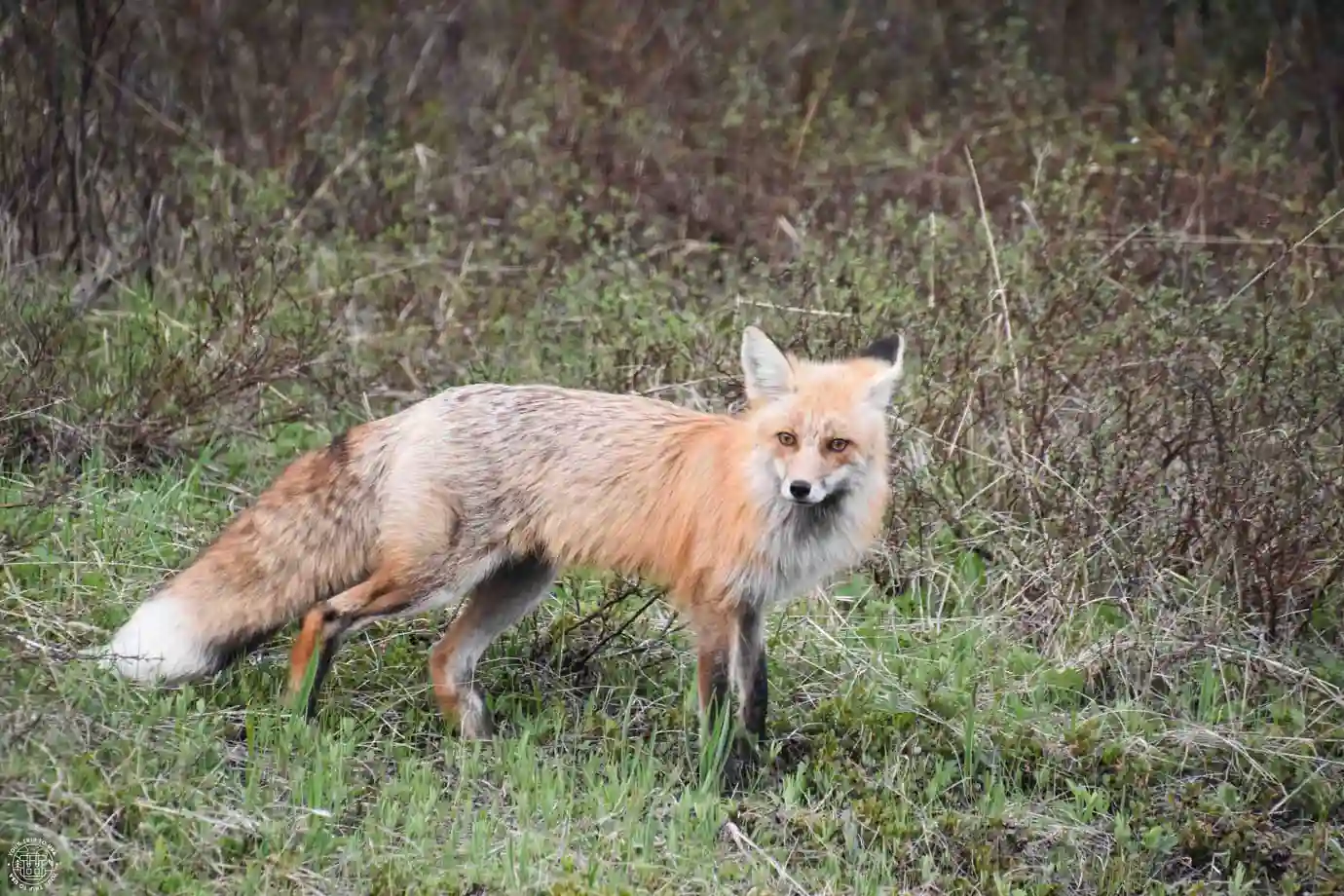
Yes, it's one of the best places in the United States to see wildlife such as bison, moose, deer, bears, foxes, coyotes, and, if you're lucky, wolves.
We hope this guide on How to visit Yellowstone National Park helps you enjoy this wonderful place!