


Where is Death Valley
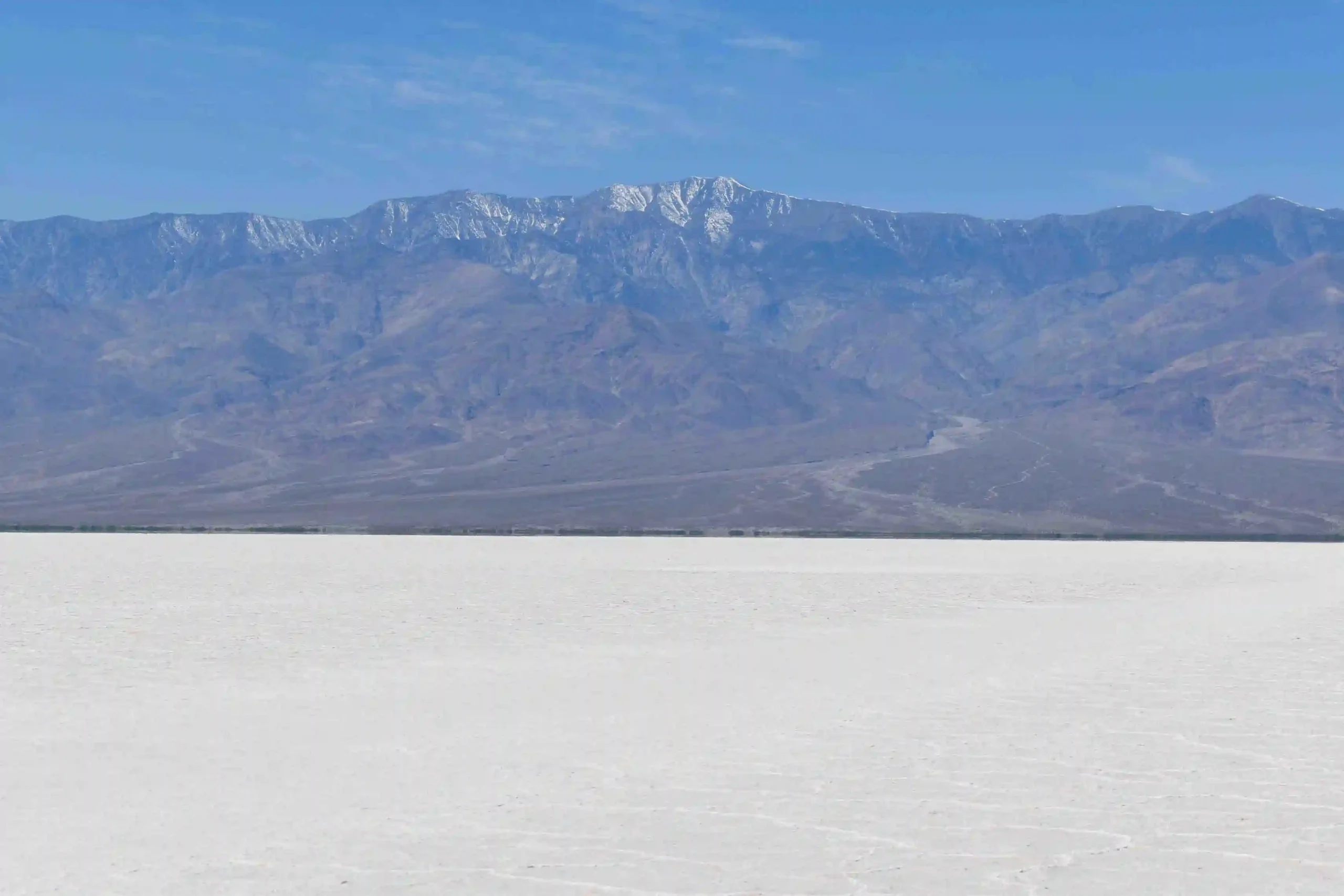
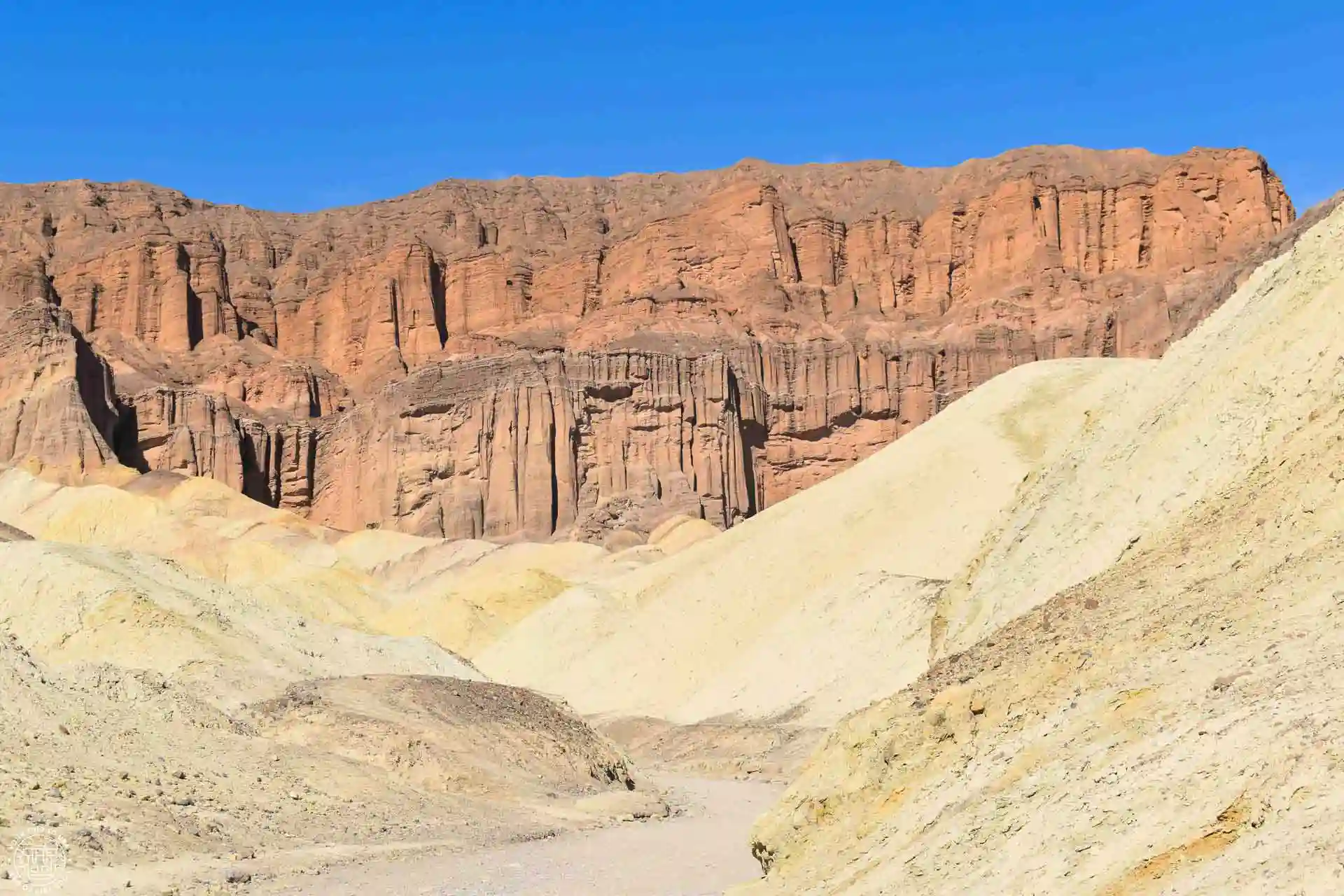
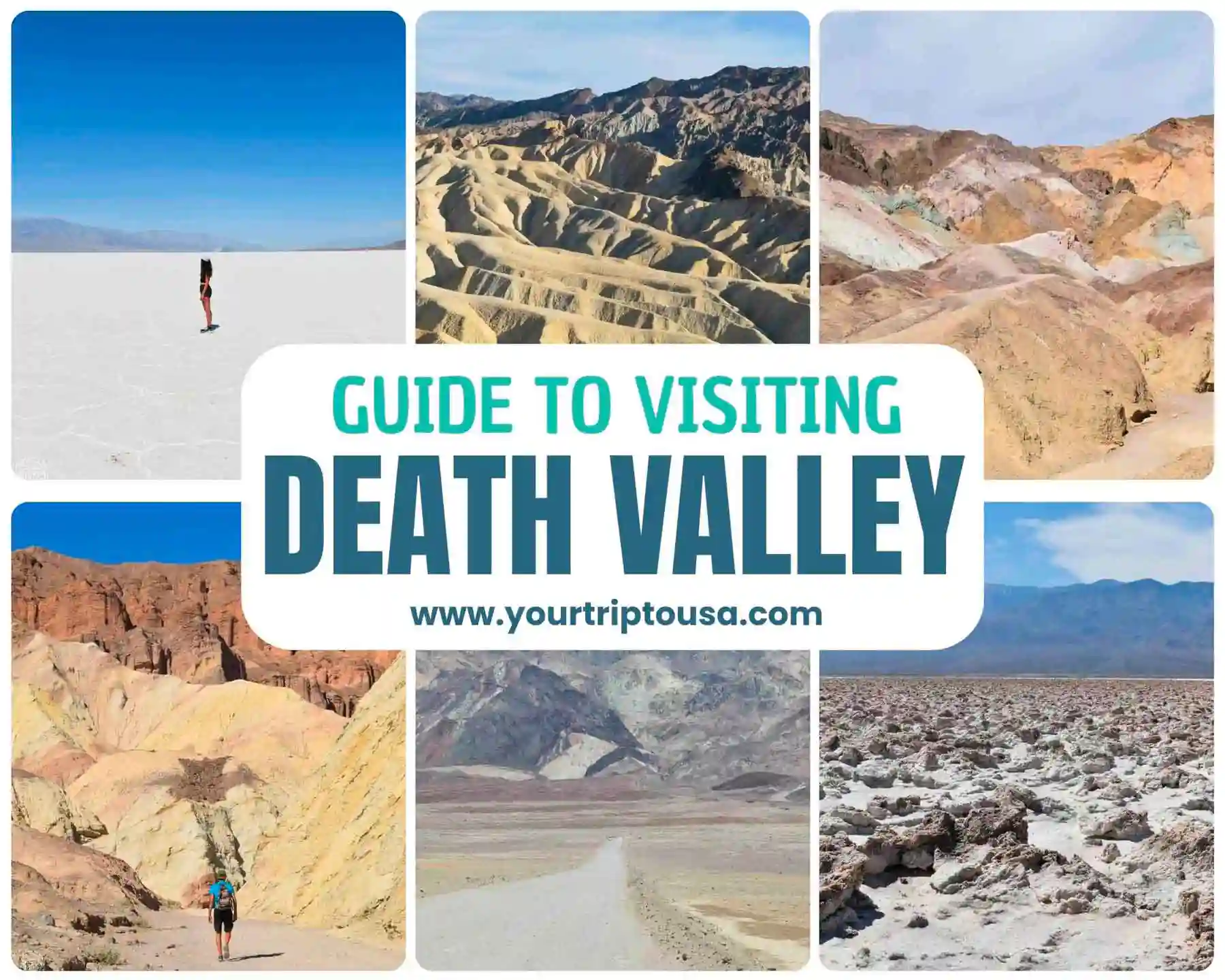
Death Valley is located on the west coast of the United States and is the largest national park within the lower 48. It's part of the Mojave Desert, and most of its area is located in southeastern California, although a small portion extends into Nevada.
What are the closest airports to Death Valley
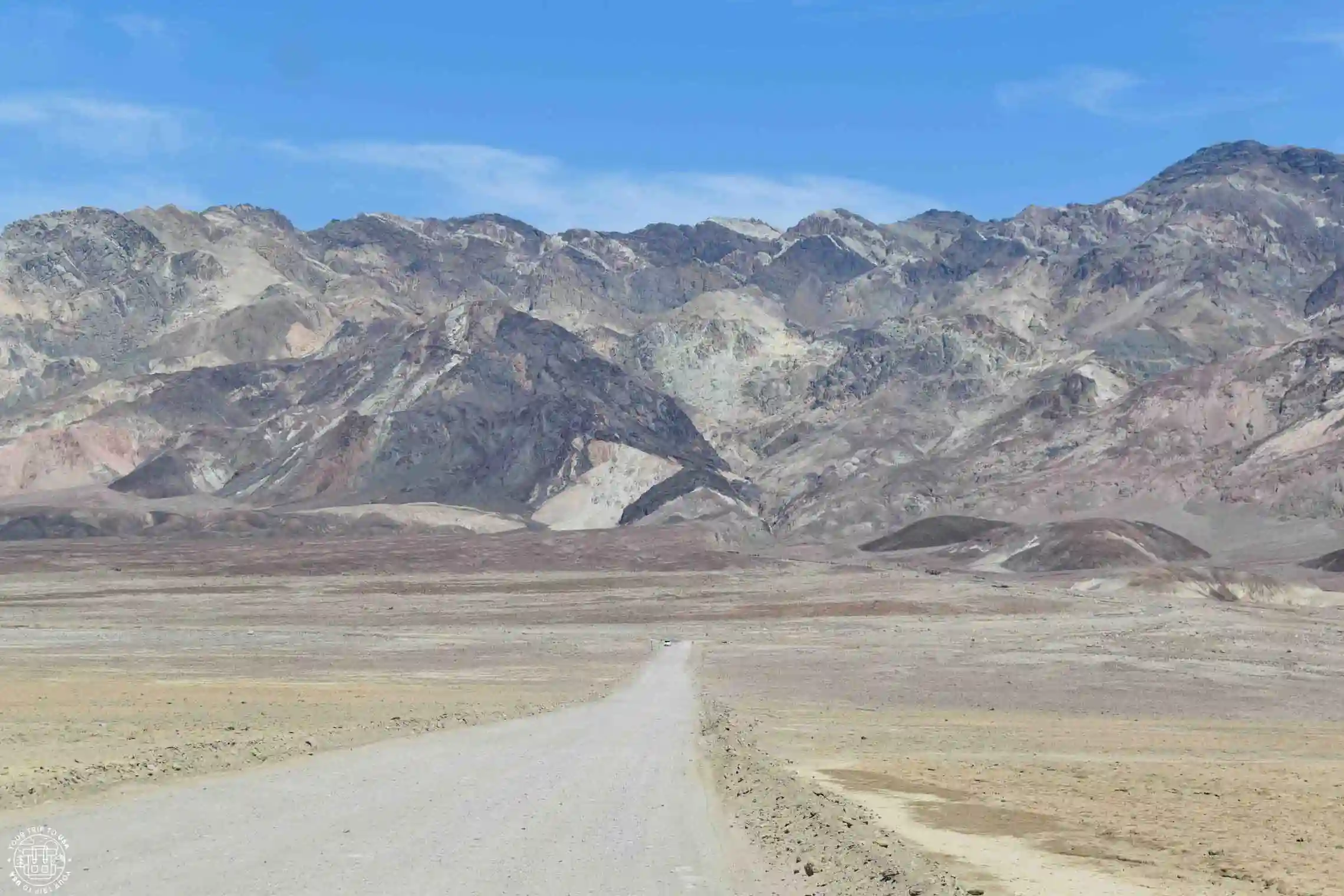
Although there are a couple of small airports within the national park (Furnace Creek Airport and Stovepipe Wells Airport), there are no commercial flights to them, and they're only used by pilots with their own planes or as shuttle services for guests of the resorts located within the park.
For this reason, the closest airport to Death Valley is Harry Heid International Airport, located in Las Vegas, 142 km (88 mi) from Death Valley Junction. Other options include Mammoth Yosemite Airport, located 234 km (145 mi) from the western entrance, or Los Angeles International Airport, located 380 km (236 mi) away.
How to get to Death Valley
To reach Death Valley on a USA West Coast road trip, you can start from several points:
Getting to Death Valley from Las Vegas
Las Vegas is the closest city to Death Valley, located 123 miles from the Furnace Creek Visitor Center and taking about 2 hours to reach. There're two routes to get there:
- Longer and easier (227 km or 141 mi, 2 hrs 10 min): take Highway 95 through Indian Springs, Amargosa Valley, and Death Valley Junction.
- Shorter (200 km or 124 mi, 2 hrs 15 min): take Highway 160 through Pahrump and Death Valley Junction.

FROM LAS VEGAS
-Duration: 10h
-What is included? Hotel pick up & drop off, transport, guide, drinks and national park permit
-Places to visit: Death Valley Nat Park and Rhyolite Ghost Town
😉Free cancellation up to 24 hours in advance
Getting to Death Valley from Yosemite
It's very common to visit Death Valley before or after visiting Yosemite National Park, but the problem is that the quick connection (which is still 386 km or 240 mi and a 5-hour drive) can only be made when Tioga Road is open. This road connects Yosemite with eastern California and is only open from mid-May to mid-October, although the dates vary each year depending on the amount of snowfall.
If Tioga Road is closed when you visit, the only alternative to connect both parks is to take a 652 km (405 mi) detour that requires at least 7 hours of driving, passing through Bakersfield and Fresno. In this case, we recommend stopping at Sequoia National Park to take advantage of the route and see the giant trees.
Getting to Death Valley from Los Angeles
Another option is to go to Death Valley from Los Angeles, a city located in southern California. From here, you have two options to get there, both of which are similar in distance: enter Death Valley from the south of the park (Shoshone) or from the west (Panamint Springs). In both cases, the distance is about 370 km (230 mi) and between 3 hrs 40 min - 4 hrs of driving, depending on traffic when leaving Los Angeles.
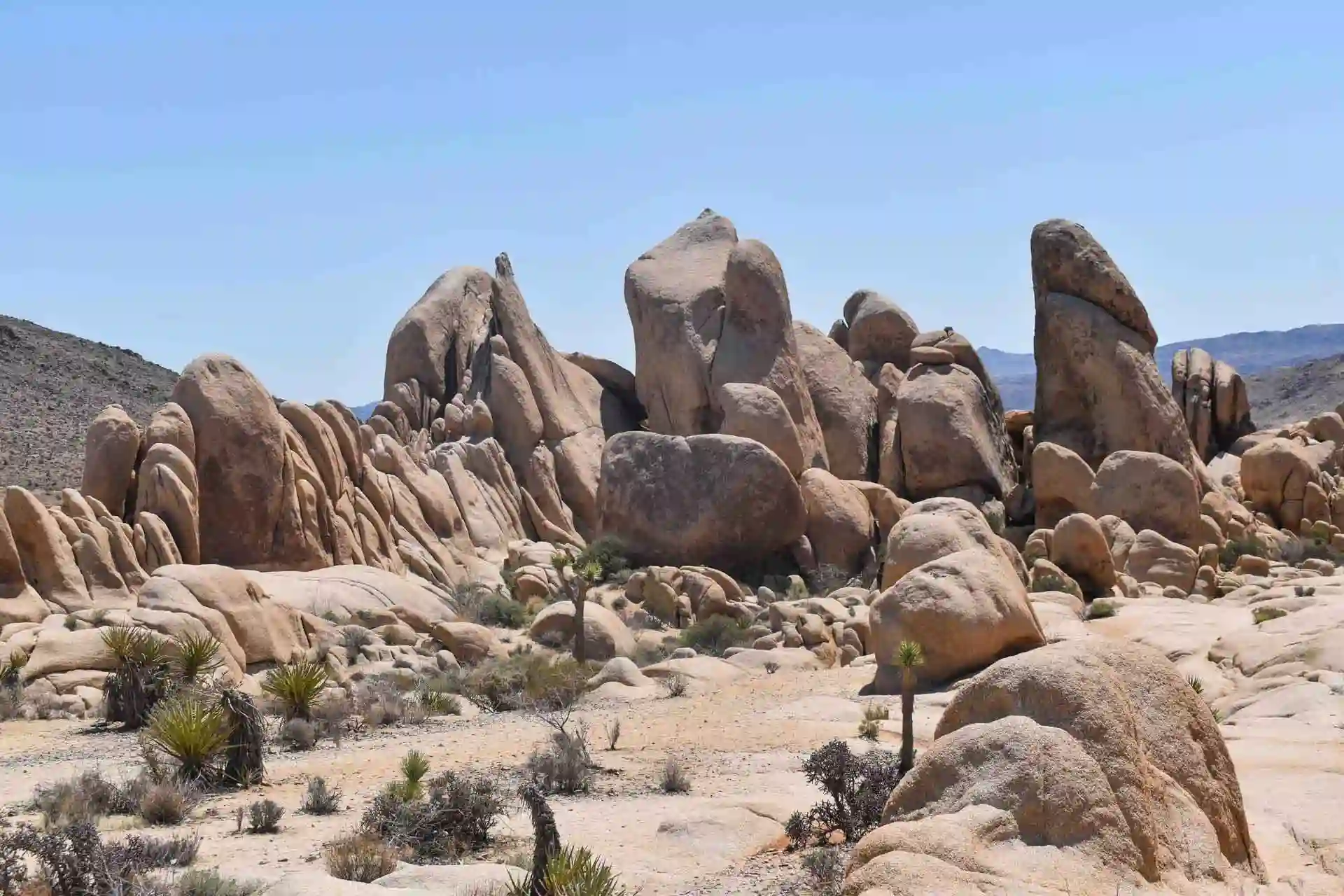
If you have time, a good alternative is to take a longer route and visit Joshua Tree National Park and Mojave National Preserve. This way, you'll enter Death Valley from the south.
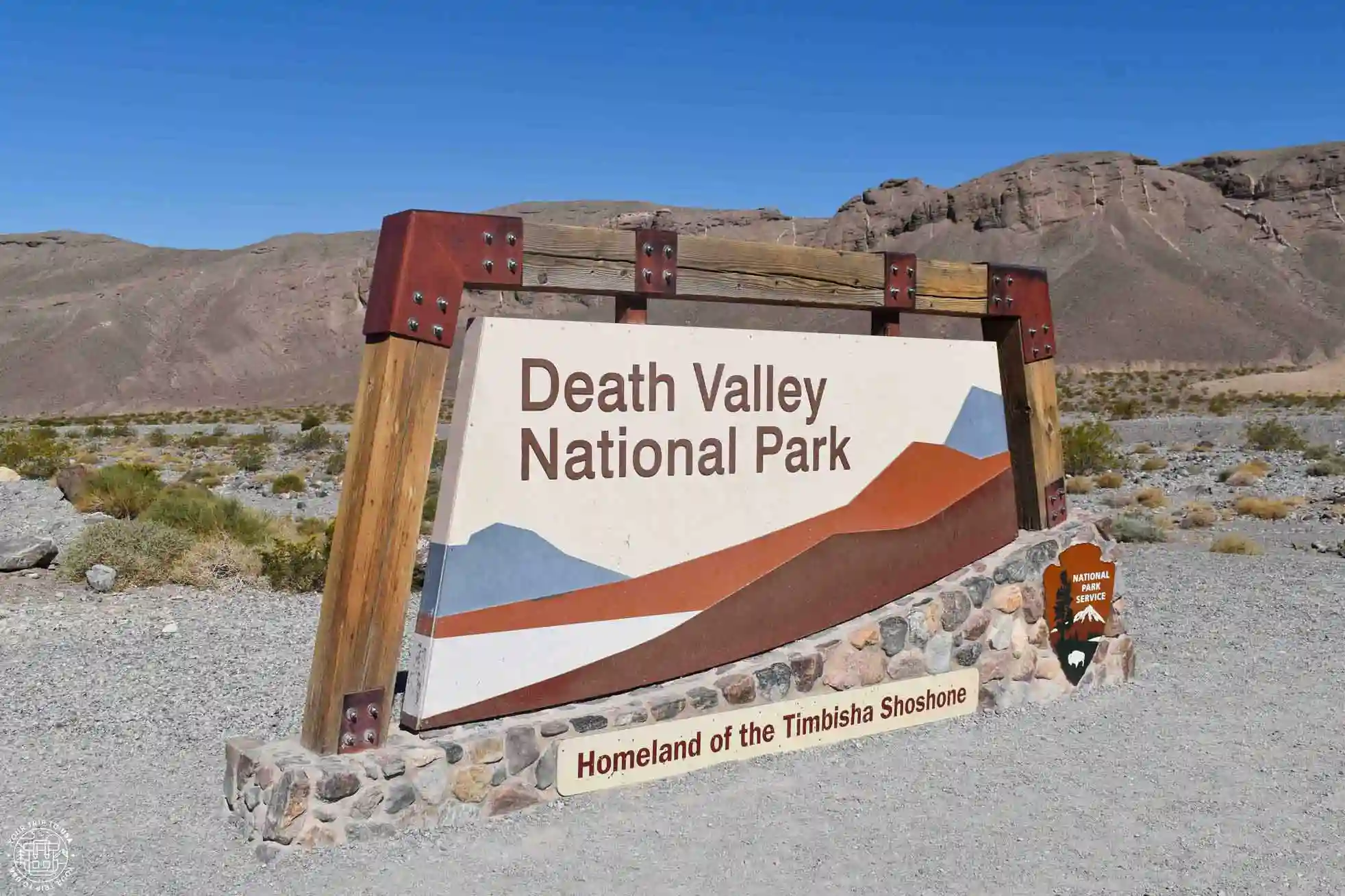
What are the access points to Death Valley
Although there're several unpaved roads leading to Death Valley, it's most common to access it via one of its paved roads. Here you can find all the paved access points, and at the end of the post you'll find them all marked on the map:
- Access to Death Valley from the west: if you're coming from Yosemite, Sequoia, or Los Angeles, you'll enter Death Valley via Panamint Springs, on the west-central side of the park. From here, it's 50 km or 31 mi to the nearest information station (Stovepipe Ranger Station), and 89 km or 55 mi to the Furnace Creek Visitor Center.
- Access to Death Valley from the east: if you're coming from Las Vegas, you'll enter the national park via Death Valley Junction regardless of the route you choose. From here, it's 49 km or 30 mi to the Furnace Creek Visitor Center.
- Access to Death Valley from the south: if you're coming from Joshua Tree National Park or Mojave National Preserve, the usual route is via Shoshone. From here, you can go to Death Valley Junction or take a detour via Jubilee Pass Road, a less traveled road that connects directly to Badwater Basin. Although the latter option is longer, it allows you to make a loop through Death Valley.

DO YOU NEED A RENTAL CAR IN THE UNITED STATES?
Take a look at this search tool and get the best price!
How many visitor centers are in Death Valley
There're only 1 visitor center in Death Valley: Furnace Creek Visitor Center. It's located in Furnace Creek, the central hub of the park and where you'll find more facilities: accommodation, a petrol station, restaurants, a museum, etc.
You also have 2 ranger stations, which open seasonally: Stovepipe Wells Ranger Station and Grapevine Ranger Station. There you can stop to talk with a ranger for information and pay your entrance fee.
How much is the entrance fee to Death Valley
Death Valley standard fee varies depending on your mode of transportation:
- Cars, pick up trucks, RV, and vans with a maximum of 15 seats: $30 per vehicle. This fee covers all persons traveling in the vehicle.
- Motorcycle: $25 and covers 2 motorcycles and a maximum of 4 passengers.
- On foot or by bicycle: $15 per person (over 16 years old).
💡Recommended: Tips for traveling to the USA West Coast
This ticket allows you to enter Death Valley for seven consecutive days and, unlike other parks, there're no booths on the access roads where you can pay for it. You must go to one of these places, in some cases there's only a machine:
- Furnace Creek Visitor Center (you can also buy passes here)
- Stopevive Wells Ranger Station (you can also buy passes here)
- Grapevine Ranger Station
- Ryan Kiosk
- Zabriskie Point
- Badwater
- Hell's Gate
- Furnace Creek Campground (April 16 to October 14)
- Sunset Campground (late October to April 15)
- Texas Springs Campground (late October to April 15)
- Stovepipe Wells Campground (late October to April 15)
- Mesquite Springs Campground
Payment is always by card (cash is not accepted), so we recommend that you take one of the best cards for traveling to the United States to avoid fees.
 DO YOU NEED A NO FEES CARD FOR YOUR TRIPS?
Get your Wise card here for free
Withdraw money and pay in other currencies without fees!
💳Check it out: Best Travel Cards for the USA | Comparison & Opinion |
There're also a number of passes that already include admission to Death Valley. If you have any of these, you won't have to pay anything extra:
- Annual Entrance Pass: $55 and allows unlimited entry to the park for 12 months. Only for U.S. citizens and residents.
- America The Beautiful Residents: $80 and allows you to enter all US national parks and other natural sites for 12 months. Only for U.S. citizens and residents.
- America The Beautiful Non-Residents: $250 and allows you to enter all U.S. national parks and other natural sites for 12 months. For non-residents only.
⚠️ Death Valley is not included in the list of national parks for which tourists have to pay an additional $100 per person at the entrance if they don't have the America the Beautiful Non-Residents pass.
When is the best time to visit Death Valley
Death Valley is known as the hottest place on the planet and the driest in North America. In July 1913, the world temperature record was broken with 57°C (134 ºF) 😮 Although that was some time ago, during certain months of the year temperatures can easily reach 49°C (120ºC) during the day and 35°C (95ºC) at night. However, in the colder months, temperatures can drop below freezing at night. It's a place of contrasts!
Therefore, the best time to visit Death Valley is early spring, fall, and early winter.
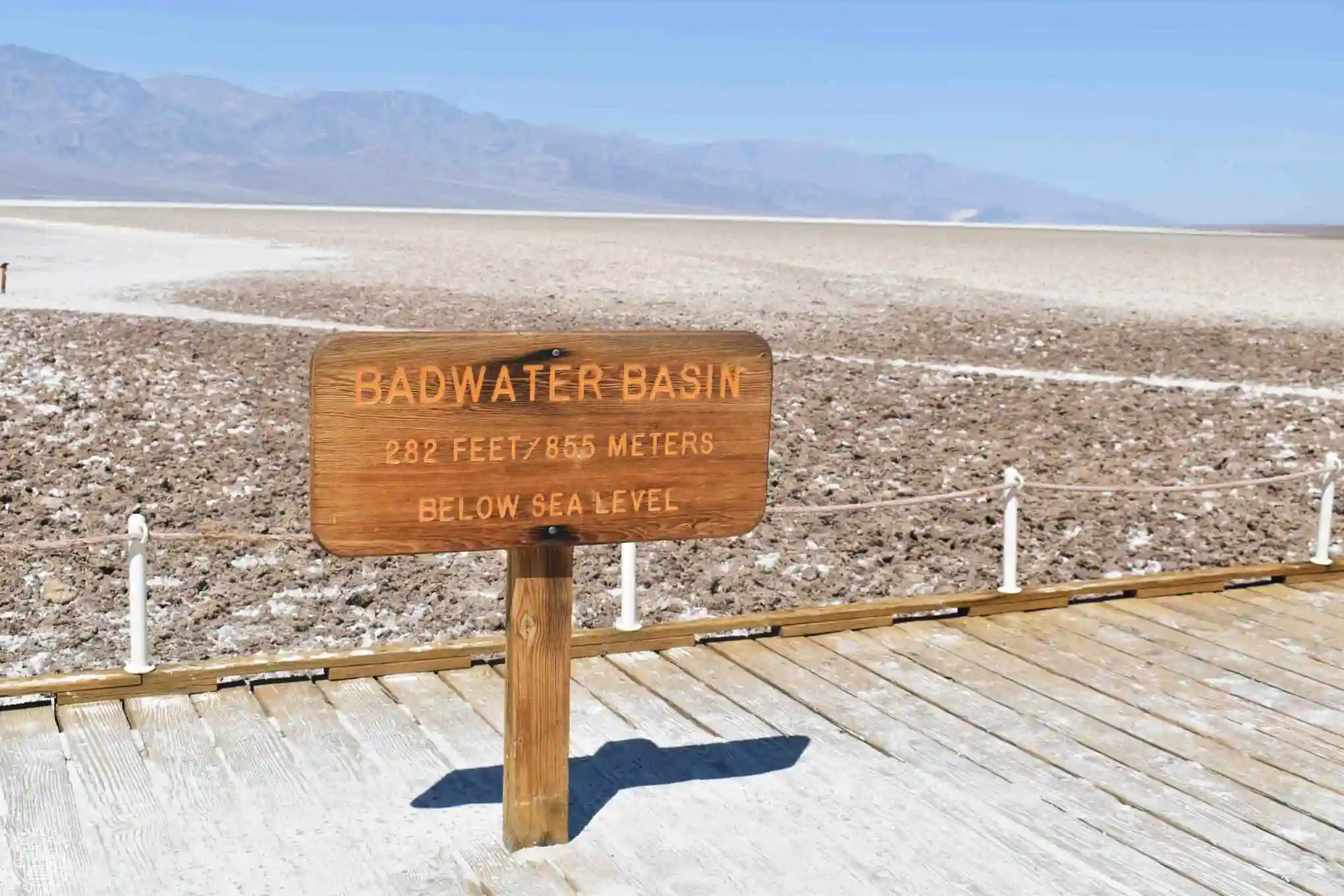
And you may ask yourself...why is it so hot in Death Valley compared to other deserts? It's a combination of several factors: the depth and shape of the valley, the fact that part of it is below sea level, the high mountains that surround it, the lack of vegetation, and the clear skies for most of the year. All of this allows the sunlight to heat the desert surface unimpeded and the heat to radiate from the rocks to the ground, where it becomes trapped and cannot escape. It's a vicious cycle!
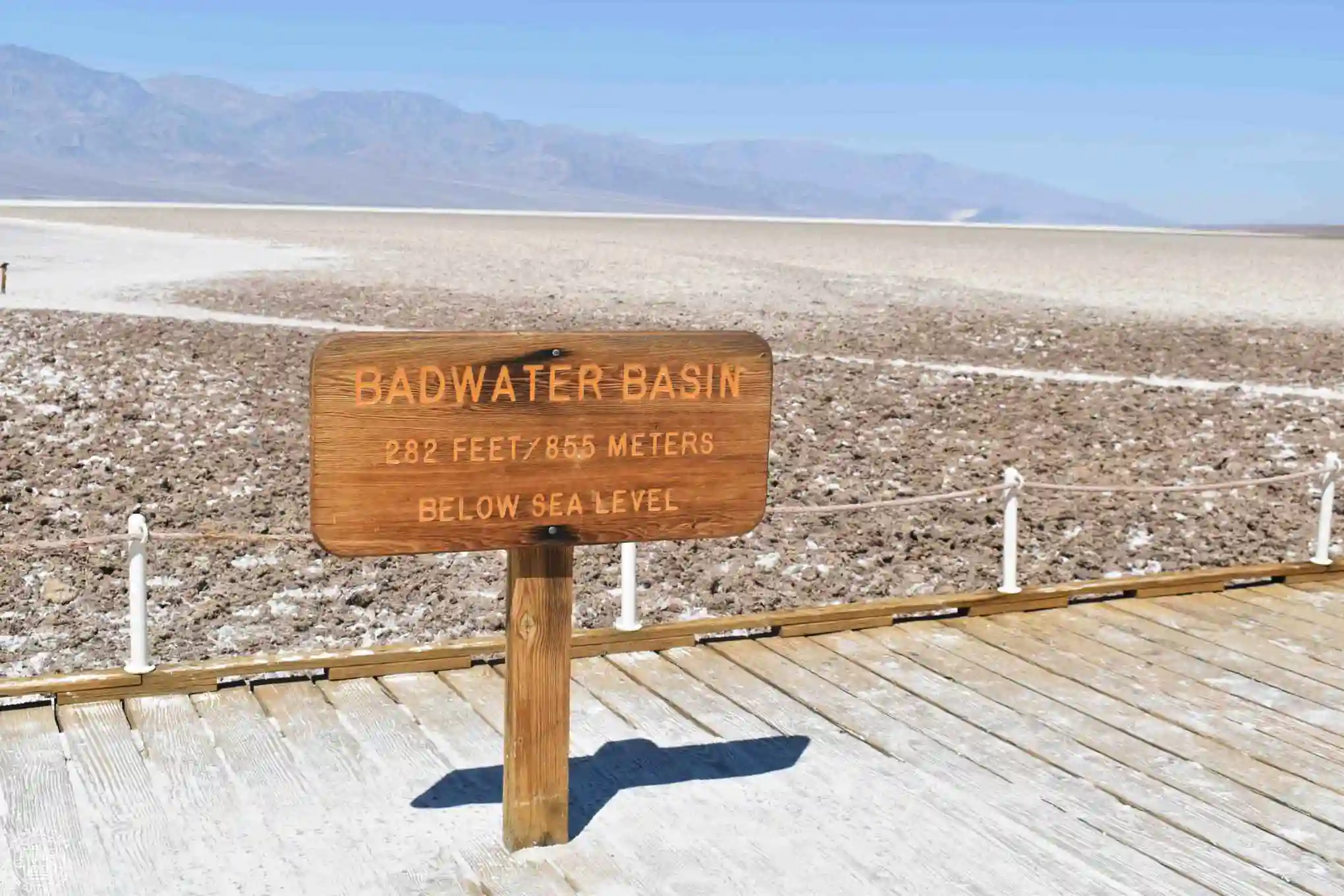
This table shows the average maximum and minimum temperatures in Death Valley month by month, as well as rainfall. As you can see, it rains very little, less than 5 cm per year!
| TEMPERATURE AND RAINFALL IN DEATH VALLEY | |||||
|---|---|---|---|---|---|
| AVERAGE MAXIMUM TEMPERATURE | AVERAGE MINIMUM TEMPERATURE | AVERAGE PRECIPITATION | |||
| JANUARY | 19ºC (67ºF) | 4°C (40ºF) | 0.7cm (0.27 in) | ||
| FEBRUARY | 23°C (73ºF) | 8°C (46ºF) | 0.9cm (0.37 in) | ||
| MARCH | 27ºC (82°F) | 13°C (55ºF) | 0.6cm (0.22 in) | ||
| APRIL | 32ºC (90°F) | 17ºC (62ºF) | 0.3cm (0.12 in) | ||
| MAY | 38°C (100ºF) | 23°C (73ºF) | 0.2cm (0.07 in) | ||
| JUNE | 43ºC (110°F) | 27ºC (81°F) | 0.1cm (0.03 in) | ||
| JULY | 47°C (116ºF) | 31ºC (88°F) | 0.3cm (0.11 in) | ||
| AUGUST | 46ºC (115ºF) | 30°C (86ºF) | 0.3cm (0.11 in) | ||
| SEPTEMBER | 41ºC (106°F) | 24°C (76ºF) | 0.4cm (0.14 in) | ||
| OCTOBER | 34ºC (93°F) | 16ºC (61°F) | 0.3cm (0.11 in) | ||
| NOVEMBER | 25°C (77ºF) | 9°C (48ºF) | 0.5cm (0.17 in) | ||
| DECEMBER | 18ºC (65°F) | 3°C (38ºF) | 0.5cm (0.17 in) | ||
🌸Visiting Death Valley in spring (March–May)
Spring is the ideal time to visit Death Valley, especially between March and April, as daytime temperatures are not yet extreme and the nights are cool. It's a good time for hiking (best early in the morning and late in the afternoon), the days are longer, and if it has rained during the winter, the bloom in the desert is spectacular.
On the downside, this is the peak tourist season, so prices are higher and it's advisable to book accommodation well in advance. In addition, wind is common in the desert during spring.
🌞Visiting Death Valley in summer (June - August)
Unless you're looking for an extreme experience, we'd only recommend visiting Death Valley in summer if you go to the park first thing in the morning or late in the afternoon, without venturing out on hikings and limiting yourself to seeing the essentials from your car. Seriously, by 11 a.m. you can fry eggs on the hood of your car, and that's no joke! 🍳
Towards the end of summer, there may be occasional thunderstorms, which can cause sudden flooding, although this isn't very common. As a result, some days the sky may be cloudy, making it not the best time for stargazing.
One advantage is that there're very few visitors, which means that accommodation is cheaper and there is always availability at campgrounds (if they are open).
🍂Visiting Death Valley in the fall (September–November)
Autumn is similar to spring, except that there is no bloom. Temperatures are milder and nights are cooler from mid-October onwards.
Tourism increases after the low summer season, Ranger programs start up again, and the skies are usually clear, making it ideal for stargazing.
❄️Visiting Death Valley in winter (December–February)
Winter is the only time of year when you'll need to wrap up warm in Death Valley. The days are cool and the nights are cold, and there can be sporadic winter storms and sudden dust storms as a result. On the other hand, the days are short, so you can't make the most of them.
Landscape-wise, it's one of the most beautiful times of the year, due to the contrast between the snow-capped peaks and the desert, and it's also a good time for hiking in the park.

INTERNET IN THE UNITED STATES
We have 2 discounts for you:
-5% OFF with Holafly ➡️ Unlimited data at the best price! Code: TRIPTOUSA10
-10% OFF with SimLocal ➡️ Best deal with limited data!
Discounts applied automatically
🤓 Take a loot at: Best SIMs & eSIMs for traveling to the USA
How many days to spend in Death Valley
The amount of time you should spend in Death Valley will vary depending on the time of year you visit. If you go in summer, you'll only be able to stay for a few hours, but if you go at another time of year, you will be able to enjoy it for longer.
That said, and assuming you go at the ideal time, two days would be perfect. As we mentioned earlier, Death Valley is the largest national park in the lower 48, and with this amount of time, you can visit the most iconic sites and viewpoints, go on a hike, and, if you have a 4x4, venture into remote areas such as Racetrack Playa and Ubehebe Crater.
However, the vast majority of tourists who are traveling to the west coast of the USA can only spend one day there, which we consider enough if you focus on the main attractions. ℹ️ In our post about things to do in Death Valley you'll find all the places to visit in the park and specific itineraries depending on your time.
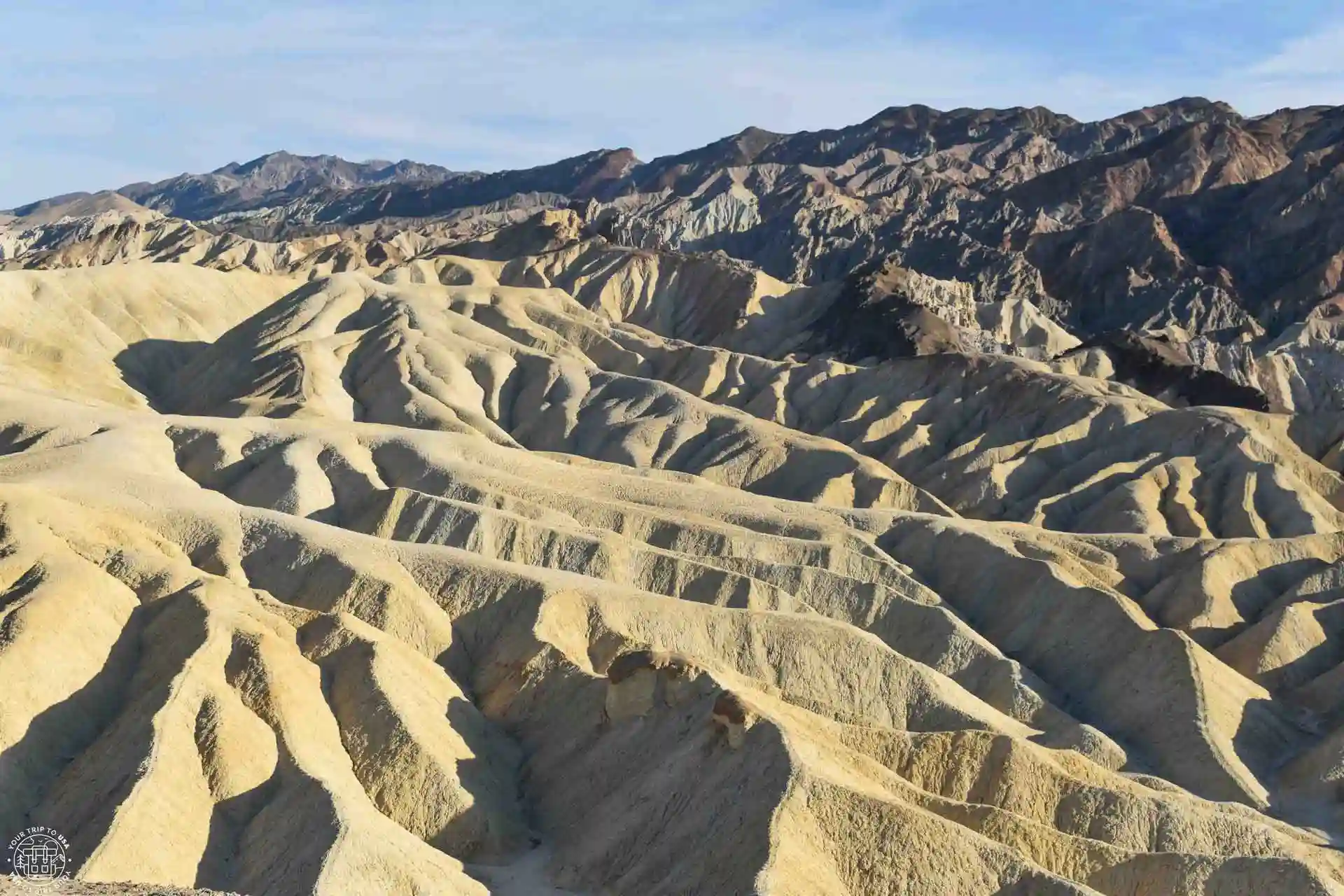
Where to stay in Death Valley
There're several places to stay in Death Valley, both inside and outside the park. There're conventional hotels, resorts, motels, campsites... Something for everyone! Don't miss our post on where to stay in Death Valley, where we talk in detail about all the areas, we recommend accommodation and campgrounds, and provide a detailed map.
In summary, if you want to stay inside the park, the best options are The Ranch at Death Valley and Stovepipe Wells Village, although if budget isn't a concern, The Inn at Death Valley is a dream come true.
If you prefer to stay overnight outside the park, then you have to decide based on what you're going to visit before and after Death Valley:
- Heading to Las Vegas? Longstreet Inn & Casino in Amargosa Valley and Holiday Inn Express Pahrump in Pahrump are among the best options on the way to the Sin City.
- Are you heading to Yosemite via Tioga Road? The Dow Villa Motel in Lone Pine is the closest option, but the Starlight Motel in Big Pine is another good alternative.
- Are you heading to Los Angeles or Joshua Tree? Villa Anita in Death Valley is very close to the south entrance of Death Valley, while Rodeway Inn Barstow in Barstow is further away. If you prefer to go through the west entrance, Days Inn in Ridgecrest would be our choice.
- Are you heading to Sequoia National Park? The closest option would be the Olancha RV Park & Motel in Olancha, but further away is the Whispering Pines Lodge in Kernville.
💡Recommended: Where to stay in Death Valley | Areas + Hotels + Map |
Things to do in Death Valley
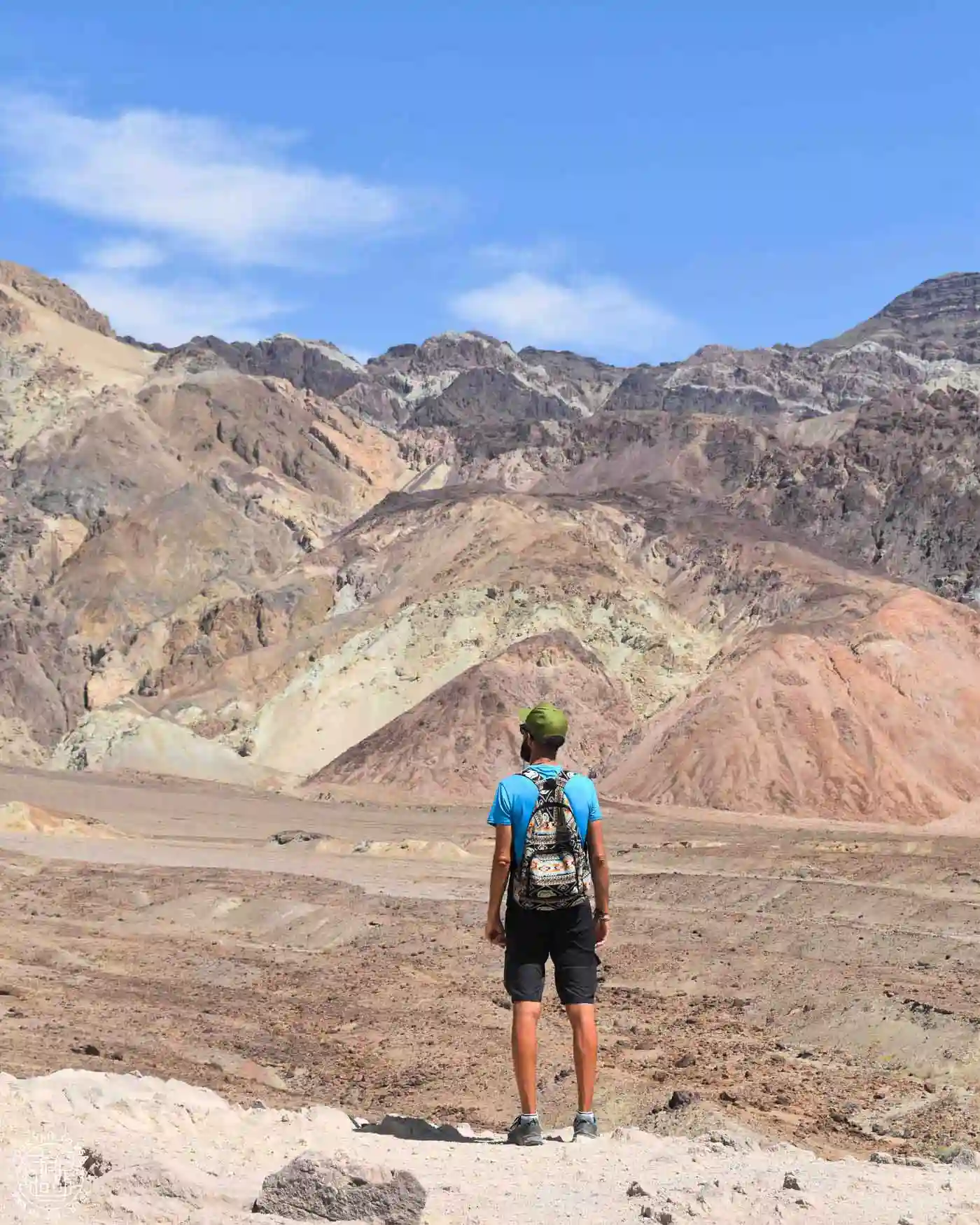
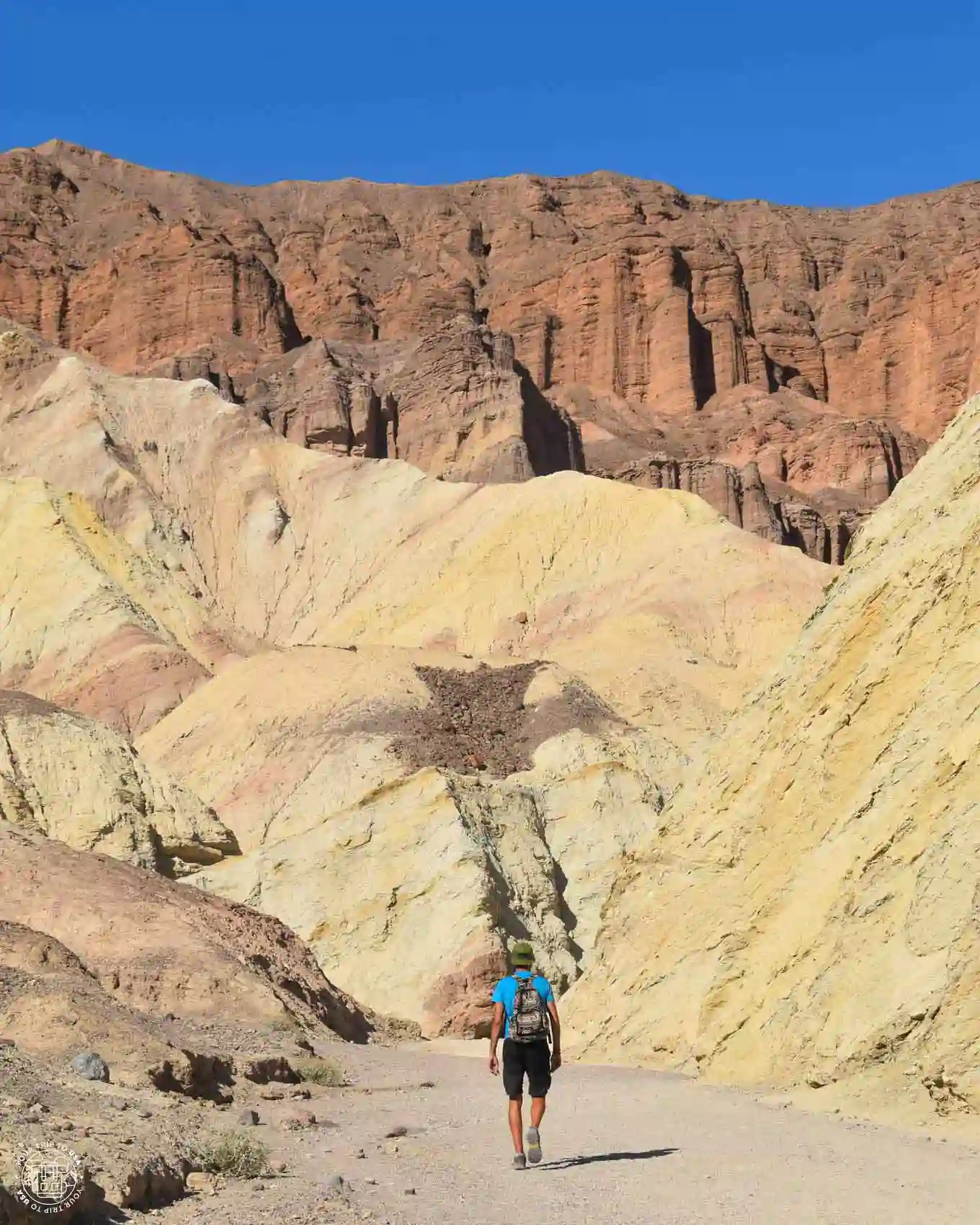
Sand dunes, salt flats, colorful canyons, breathtaking viewpoints, places with moving rocks, ruins of ancient mines... All this and much more is what this national park, unique in the world, has to offer.
Check out our article with everything to see and do in Death Valley. In addition to showing you the essentials, we suggest you itineraries depending on your time, and you'll discover less-visited places and some sites in the surrounding area that are also well worth visiting.
💡Recommended: Things to see and do in Death Valley and the surroundings
Tips for visiting Death Valley for the first time
We'll finish this post with some tips that will come in handy when visiting Death Valley:
- ⛽ Fill up your car's tank before entering Death Valley. Distances within the park are long (e.g., it's almost an hour's drive from Badwater Basin to the Mesquite Flat Sand Dunes), and fuel is much cheaper outside the park. If you need to refuel, there're three gas stations inside the park, but prices are very high: one in Furnace Creek, one in Panamint Springs Resort, and another at Stovepipe Wells Resort. We always use the GasBuddy app to find the cheapest petrol station.
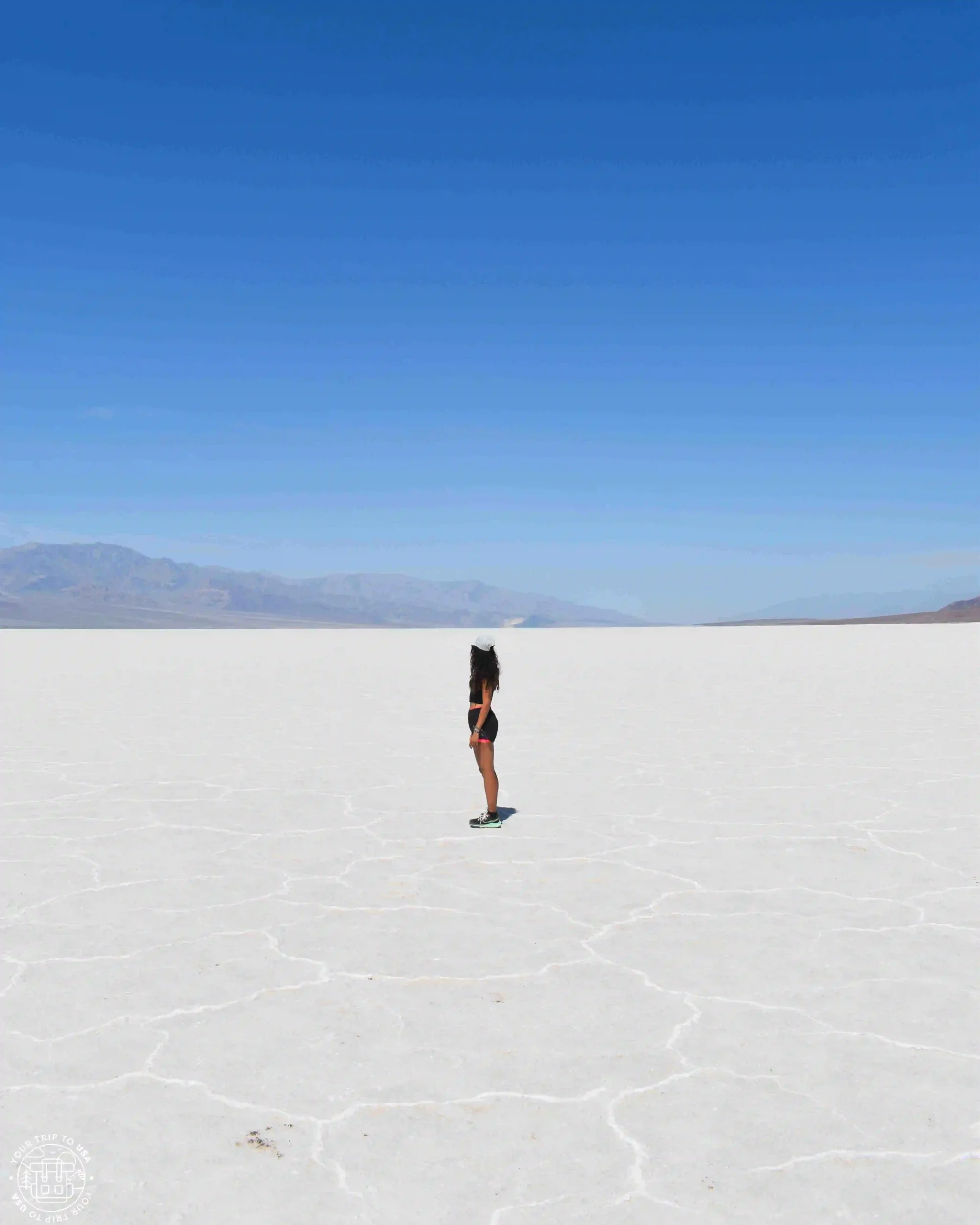
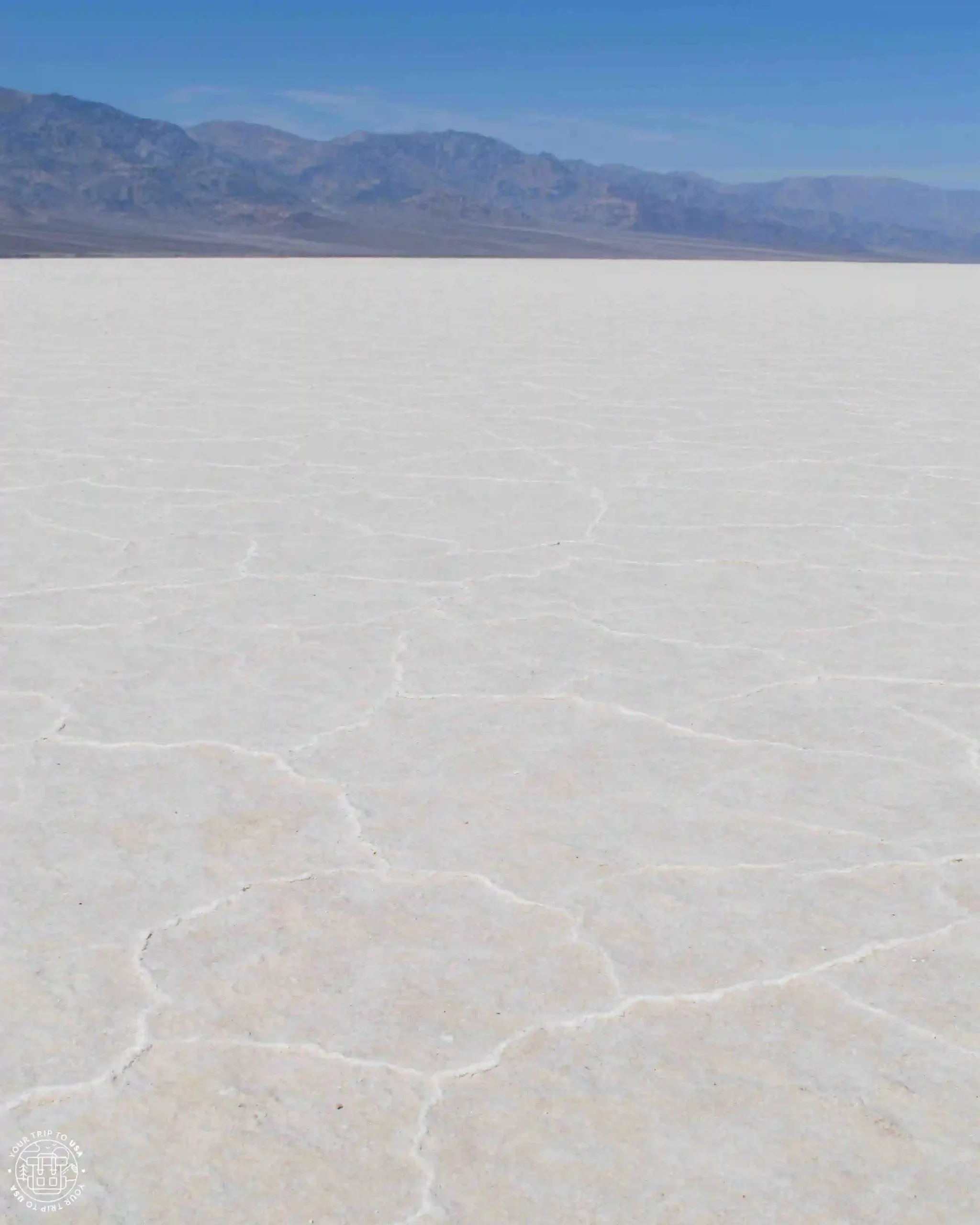
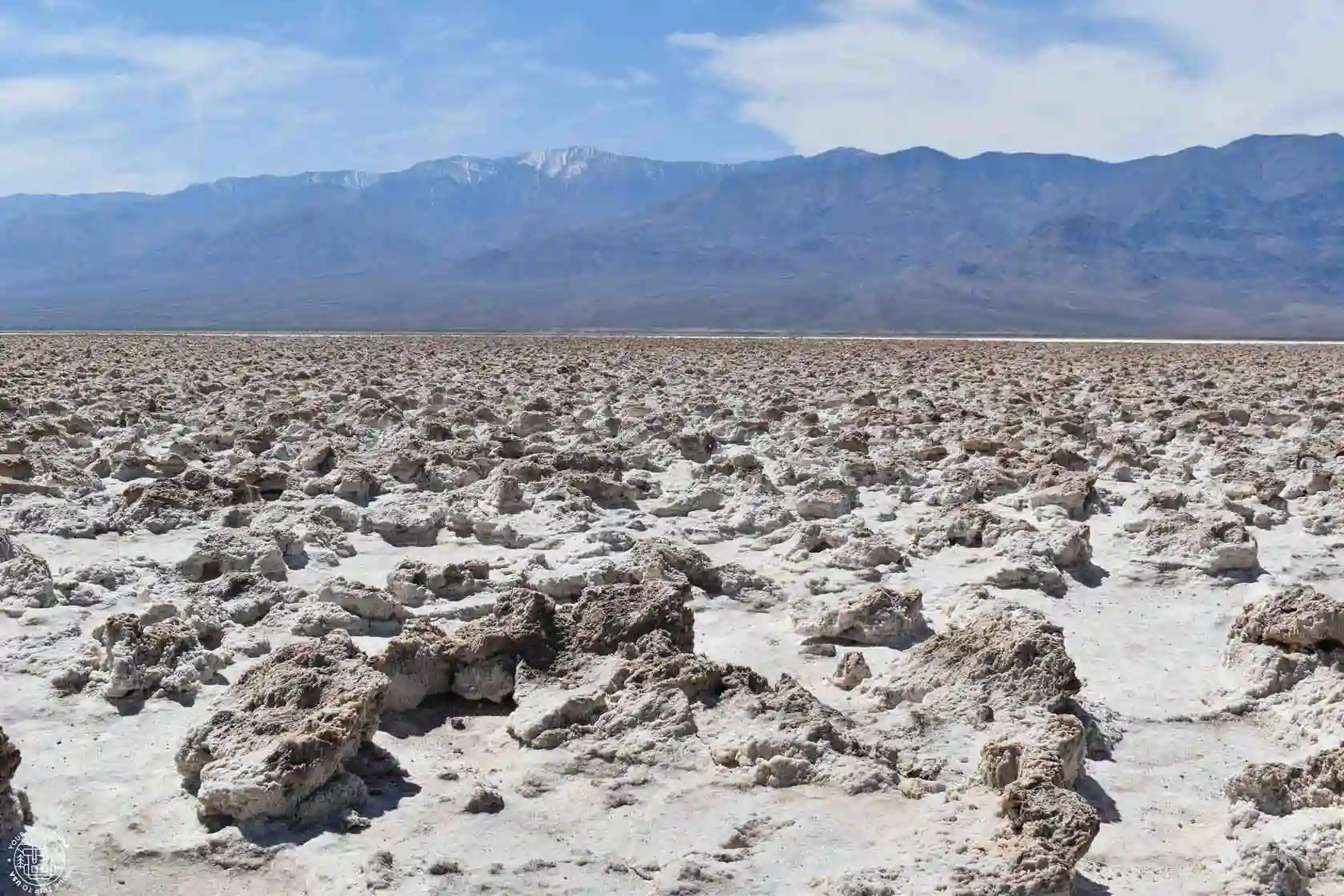
- 🧴 Don't forget to bring all of the following: sunscreen, sunglasses (in Badwater Basin, the light reflects off the salt flats and is very uncomfortable), a cap or hat, and light-colored, breathable clothing.
- 💸 Death Valley is cash free, so all the payments must be done with card. Check out our post on the best travel cards for the USA in order to avoid fees due to currency exchange.
- 🛜 There is no cell phone coverage in most areas of the park. You'll only find Wi-Fi at the Furnace Creek Visitor Center and the Stovepipe Wells Ranger Station, and it doesn't always work. Download maps to your phone so you don't have to rely on cell phone coverage.
- 🔥 Avoid the hottest hours of the day, especially in summer. At this time of year, visit the park first thing in the morning or late in the afternoon, and don't go on hikes after 10 a.m.
- 💧 Bring extra water in case of an emergency, between 2 and 4 liters (0,5 to 1 gallon) per person depending on the time of year. There're water refill stations at Furnace Creek Visitor Center.
- 🏨 Book your accommodation well in advance if you're going in spring, as this is the peak season. Check out our post on where to stay in Death Valley to choose your hotel.
- 🚗 Don't venture into remote areas without a 4x4 or off-road driving experience. Flat tires are common!
- ❌ Follow the designated roads and stay within the marked areas. Not only it's prohibited (and punishable by a fine), but you could also damage the local flora and fauna. Some plants only exist in Death Valley!
- 🛣️ Always check the official national park website for information on possible restrictions and closed roads.
- 🌠 Death Valley is a Dark Sky Park, which means that its sky is free of light pollution and at night it's a spectacular show. If you're staying in the area, be sure to go out at night! It's one of the best places in the USA to see stars and the Milky Way.
- 🍽️ If you don't bring food with you, there're restaurants in the park and a few shops, specifically in Furnace Creek, Stovepipe Wells, and Panamint Springs. You can find them all on the map below!
Death Valley National Park Map
This map shows the different access points to Death Valley, visitor centers and information stations, gas stations, restaurants, and the most interesting places to see:
We hope this comprehensive guide to visiting Death Valley has been helpful to you 😊