

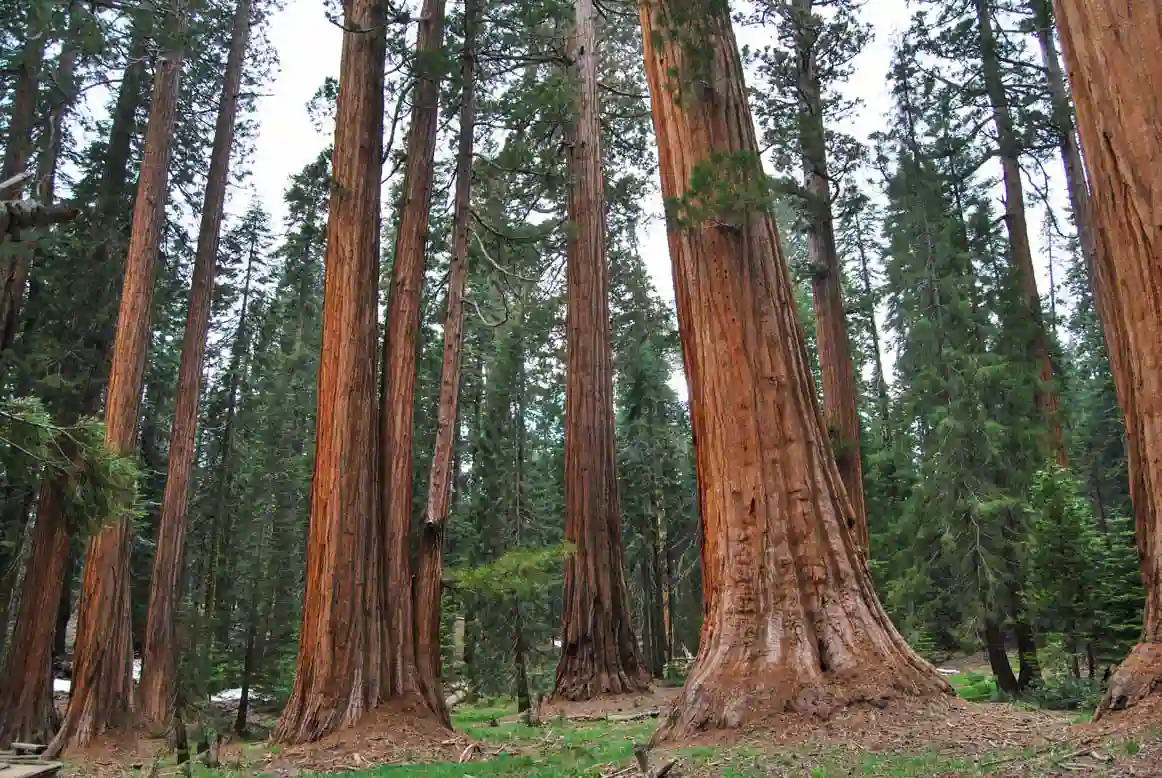
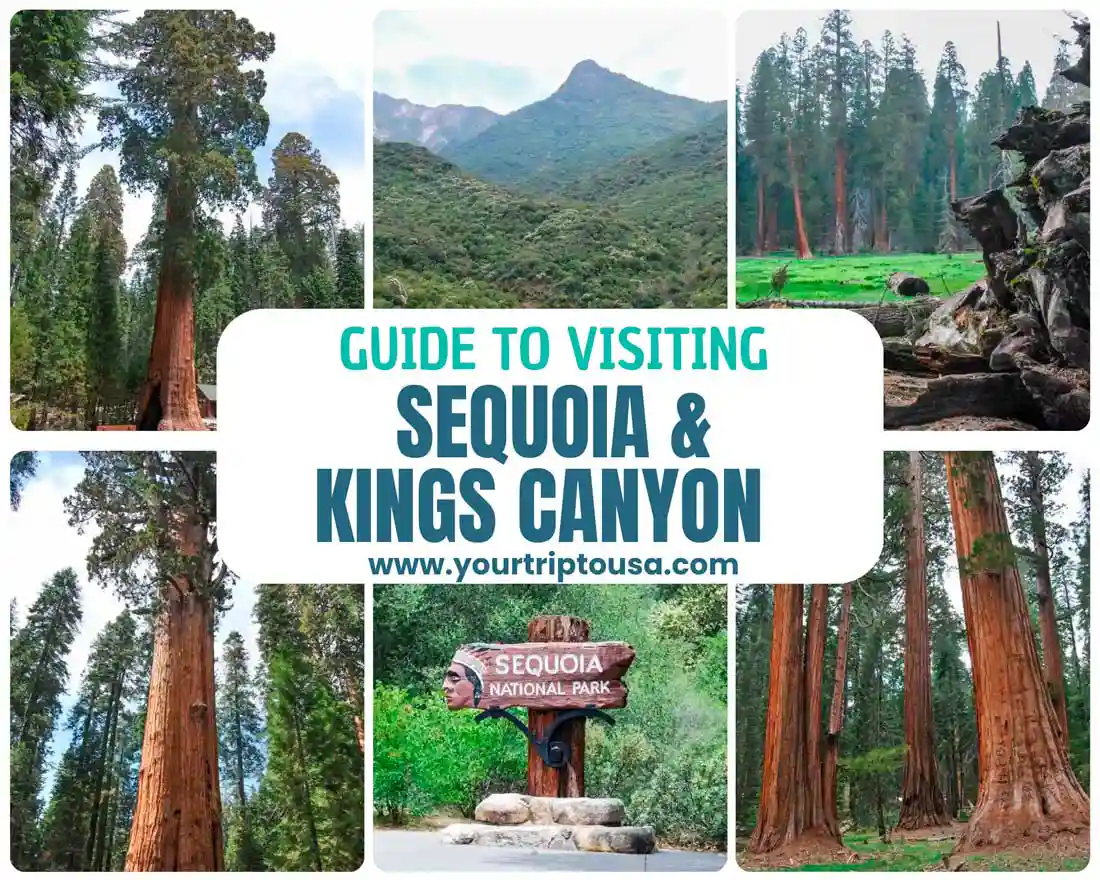
Where is Sequoia National Park
Sequoia and Kings Canyon are two national parks located in the state of California, in the southern part of the Sierra Nevada, a mountain range that runs through much of the state. They're located 330 km (205 mi) from Los Angeles, 87 km (54 mi) from Fresno, 180 km (112 mi) from the south entrance to Yosemite National Park, 385 km (239 mi) from San Francisco, and 611 km (380 mi) from Las Vegas.

TRAVEL INSURANCE
FOR THE UNITED STATES
💸 Healthcare in the U.S. is very expensive, and any accident or illness can cost you a fortune.
That's why we recommend getting travel insurance that covers you in case anything goes wrong, so you don't have to pay anything up front.
💡 We always travel with Heymondo because it offers excellent medical coverage at a great price. Plus, you can get 5% OFF*!
🤓 Take a look at: Best travel insurances for the USA | Comparison + Discounts |
Sequoia National Park vs Kings Canyon vs Sequoia National Forest
If this is your first visit to Sequoia National Park, it can be hard to understand what the differences are between Sequoia National Park, Sequoia National Forest, and Kings Canyon National Park. Don’t worry—that’s perfectly normal! And we’re here to help clear things up for you.
Sequoia National Park and Kings Canyon National Park are two separate national parks, but they operate as a single unit due to their proximity. Each park is divided into districts, each offering a unique experience, which we’ll discuss below.
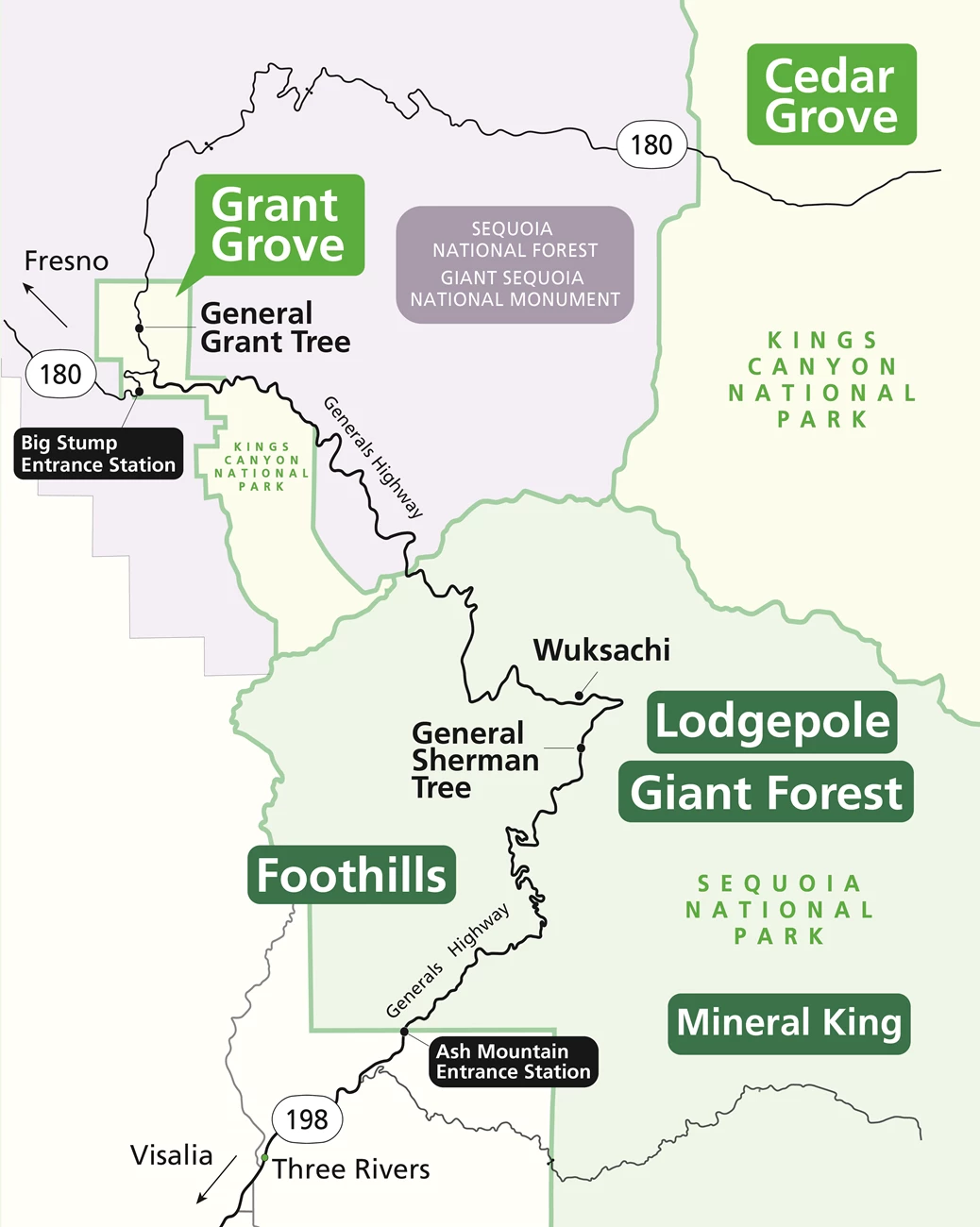
💡Below you'll find a helpful picture that will help you understand how the areas are distributed, and at the end of the article you'll find a map with all the details.
Districts in Sequoia National Park
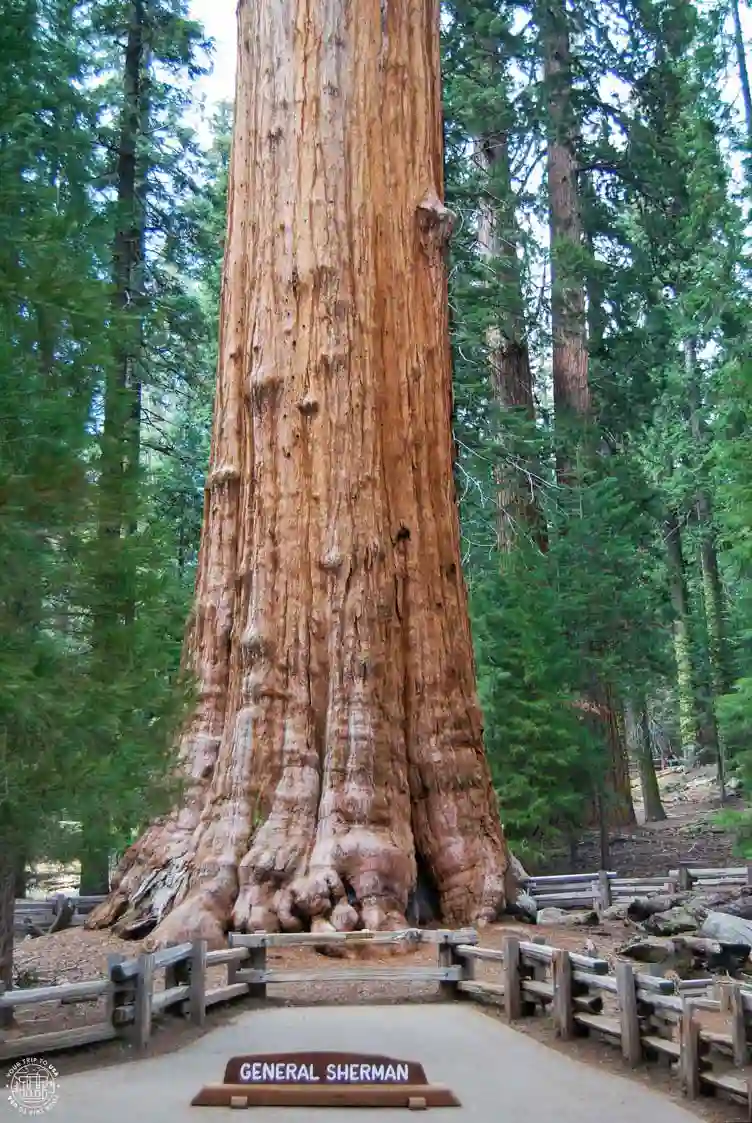
Sequoia National Park is the most famous and most visited, mainly because it offers easier access to the vast majority of the park’s attractions and because it’s home to the world-famous General Sherman Tree. That said, to enter from the north, you’ll have to drive through a small section of Kings Canyon National Park, so don’t panic if you only see signs pointing to Kings Canyon. You’re heading in the right direction!
This park is divided into three sections:
- Foothills: the lowest elevation within the park is in Foothills area, just 518 meters (1,700 feet) above sea level. There are no sequoias here, but rather a landscape consisting of a valley with green hills and granite peaks in the background. In spring, the blooming flowers create an explosion of color, and it’s an ideal spot for spotting black bears and bobcats.
- Giant Forest and Lodgepole: these two areas are located next to each other and cover almost the entire park. Here you’ll find the largest giant sequoia grove (home to General Sherman), granite canyons, waterfalls, and lakes. It’s common to see black bears.
- Mineral King: a more remote area, with a narrow, steep access road. It closes during the winter due to snow accumulation, as it lies at an elevation between 2,380 and 4,267 meters (7,800 – 14,000 feet) and is the highest place accessible by vehicle. Here you’ll find forests of pine, sequoia, and fir trees, as well as views of mountain peaks, lakes, and waterfalls.
Districts in Kings Canyon National Park
Kings Canyon National Park is actually divided into two areas, which are separated from each other by a section of Sequoia National Park, as well as the Sequoia National Forest and the Giant Sequoia National Monument.
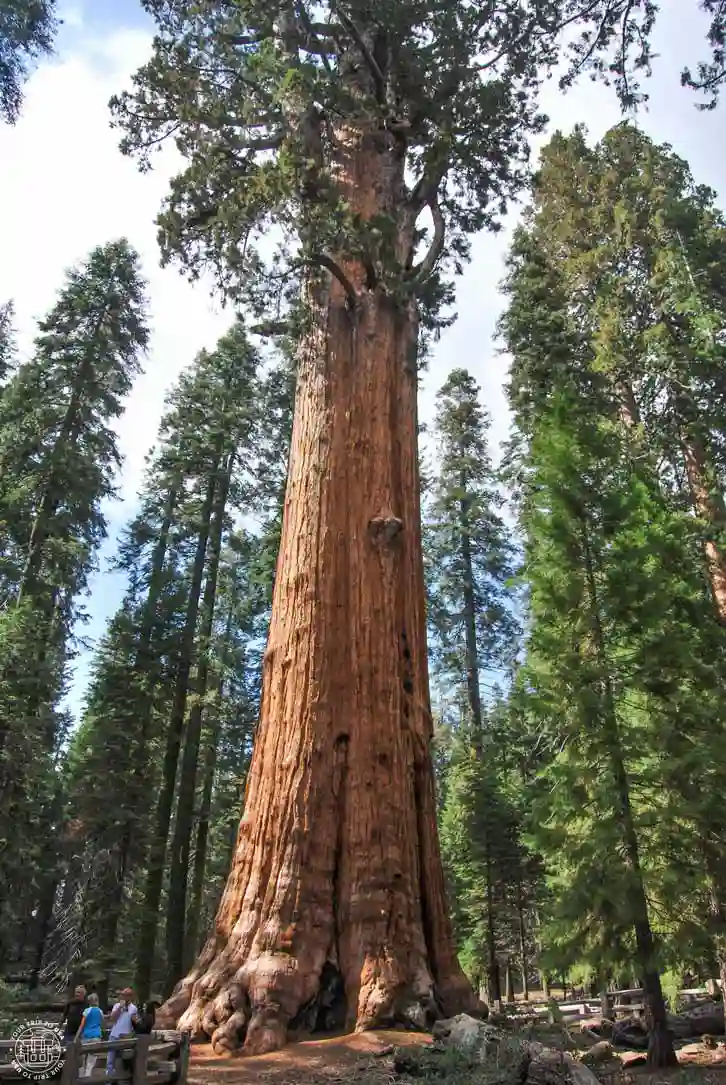
- Grant Grove: this is the most popular area, and you have to pass through it if you want to enter Sequoia National Park from the north. There're several sequoia groves here, including the world’s second-largest tree by volume, the General Grant Tree. It stands at an elevation of 2,008 meters (6,590 feet).
- Cedar Grove: this area reminds to Yosemite in terms of its landscape, as it's a glacial valley featuring cliffs, waterfalls, and the Kings River running through it. It lies at a lower elevation than Grant Grove and here you can't find any sequoia. It's only open from May through mid-November, and you’ll need to drive an additional 58 km (36 mi) to reach it.

RENT A CAR IN THE UNITED STATES
The best way to explore the United States is by car, giving you the freedom to travel at your own pace.
🚗 Whether you’re looking for a convertible Mustang, a 4x4, or a regular car, we recommend to book through this car rental search engine
💸 This is where we find the best prices, both on the rental car itself and on full coverage insurance!
Sequoia National Forest and Giant Sequoia National Monument
Whether you're traveling from Sequoia National Park to Kings Canyon National Park or visiting both areas of Kings Canyon, you'll have to pass through areas managed by the Forest Service. These are the Sequoia National Forest and the Giant Sequoia National Monument.
Here, unlike in national parks, you can bring pets on the trails, ride a bike in some areas, and the rules regarding camping and open fires (among other things) are different. There are campgrounds and lodges (which are great places to stay in order to be close to both parks), as well as sequoia forests, meadows, rivers, pristine lakes, and rock formations.
In addition to these two, there're the Inyo National Forest to the east of the park and the Sierra Nevada National Forest to the north, which are further away.
What are the entrances to Sequoia and Kings Canyon
There are three entrances to Sequoia & Kings Canyon, although two of them are the main ones:
Big Stump Entrance Station
If you're coming from San Francisco, Yosemite, or Fresno, you'll use this entrance located on CA-180. It's in the northwest corner of the park and is the best way to enter, as the road's gradient is much gentler and there aren't many twists and turns. Here you'll find a booth where you can pay for your admission fee or show your pass.
ℹ️ This entrance provides direct access to the Grant Grove area in Kings Canyon National Park. From here, you can take the turnoff to Generals Highway (which leads to the Sequoia National Forest and Sequoia National Park) or continue on CA-180 through Sequoia National Forest for 58 km (36 mi) until you reach the Cedar Grove area in Kings Canyon.
Ash Mountain Entrance Station
If you're coming from Los Angeles, Bakersfield, Death Valley, or Las Vegas, you'll use this entrance on CA-198. It's located south of the park and is the most winding, narrow, and steep route. There's a booth here where you can pay for your admission fee or show your pass.
ℹ️ This entrance provides direct access to the Foothills and Giant Forest/Lodgepole areas of Sequoia National Park.
⚠️ If you're visiting Sequoia National Park in RV, we recommend entering through the Big Stump Entrance. To enter via the Ash Mountain Entrance, there are length restrictions: vehicles longer than 7.3 m (24 ft) are advised not to travel between the Foothills Visitor Center and Potwisha Campground; vehicles between 6.7 m (22 ft) and 12.2 m (40 ft) are advised not to travel between Potwisha Campground and the Giant Forest Museum (vehicles longer than 12.2 m (40 ft) are prohibited).
Lookout Point Entrance
This is a much less-used entrance that provides access exclusively to the remote Mineral King area, south of Sequoia National Park. There is no toll booth here; instead, you must pay the entrance fee at a machine.
The access road is very narrow and hilly, and some sections are unpaved. For this reason, vehicles longer than 12.2 meters (40 feet) are prohibited from entering, and RVs and trailers are not allowed at campsites in the area.
What is the closest airport to Sequoia National Park
The nearest airport to Sequoia National Park is Fresno Yosemite International Airport, located 82 km (51 mi) from the Big Stump Entrance and 134 km (83 mi) from the Ash Mountain Entrance.

🚐 The U.S. is a paradise for traveling by camper van or motorhome: there are plenty of campgrounds, wonderful places to stay overnight for free, and amenities around every corner.
If you'd like to try this way of traveling, the United States is the place to do it!
💸 And you can save a lot of money on lodging and food!
➡️ We always book through this rental search engine because they work with all the companies and have great deals.
How to get to Sequoia and Kings Canyon
How to get to Sequoia National Park from Fresno
Fresno is the closest city to Sequoia National Park, located 85 km (53 mi) from the north entrance. It takes about an hour to get there; just take CA-180, which leads directly to the Big Stump Entrance.
How to get to Sequoia National Park from Los Angeles
To get to Sequoia from Los Angeles, you’ll need at least 4 hours of driving to reach the Ash Mountain Entrance, since the distance is 330 km (205 mi). To get there, you’ll need to take I-5, then CA-99, and finally CA-198. Ideally, if you enter here, you should exit through the north gate, driving the 72 km (45 mi) along Generals Highway, which is the main road that crosses the park.
Keep in mind that the southern route is the more winding of the two and that there are length restrictions for RVs. If you end up having to take the Big Stump route, the distance from Los Angeles increases to 390 km (242 mi).
How to get to Sequoia National Park from Yosemite
Although Yosemite and Sequoia may appear to be close together on the map, the reality is that it'll take you between 2.5 and 4 hours to get from one park to the other, depending on the route you choose, since you’ll have to drive down the Sierra Nevada mountain range and then back up again. You’ll need to take CA-41 and then connect to CA-180, which leads directly into the park.
The distance from Yosemite’s South Entrance to Sequoia’s Big Stump Entrance is 180 km (112 mi), which will take you at least 2 hours and 30 minutes. This trip may take longer if you’re starting from a more distant point within Yosemite.

INTERNET IN THE UNITED STATES
💡 The most convenient way to get internet access in the U.S. is to buy an eSIM—that way, you'll have a connection as soon as you set foot in the country. Plus, local SIM cards in the U.S. are pretty expensive.
💸 We have 2 discounts for your unlimited data eSIM for the US:
⭐5% OFF with Holafly ➡️ Excellent coverage
⭐20% OFF with eSIMFlag ➡️ Best price
🤓 Take a loot at: Best SIMs & eSIMs for traveling to the USA
How to get to Sequoia National Park from Las Vegas
If you want to visit Sequoia National Park from Las Vegas, be prepared for a long drive, as it’s 612 km (380 mi) to the south entrance and will take at least 6 hours. The shortest route goes through Barstow and Bakersfield, taking I-15, CA-58, CA-65, and CA-198.
How to get to Sequoia National Park from San Francisco
The distance between San Francisco and the north entrance to Sequoia is 385 km (239 mi), so you’ll need at least 4 hours to get there. The shortest route goes through Modesto and Fresno, taking I-580, I-205, CA-120, CA-99, and finally CA-180.
How many visitor centers are in Sequoia and Kings Canyon
There are a total of 5 visitor centers and 2 ranger stations in Sequoia and Kings Canyon:
- Kings Canyon Visitor Center: located in Grant Grove Village (within Kings Canyon National Park), 5 km (3 mi) from the Big Stump Entrance. It sits at an elevation of 1980 meters (6,500 feet) and features exhibits, a gift shop, restrooms, and drinking water. You can also watch a 15-minute film about the park, available in both Spanish and English. Open year-round.
- Foothills Visitor Center: located 1.6 km (1 mi) from the Ash Mountain Entrance. It features exhibits, a gift shop, restrooms, and drinking water. Open year-round.
- Giant Forest Museum: located in Giant Forest, 26 km (16 mi) north of the Ash Mountain Entrance, at an elevation of 1,980 meters (6,500 ft). It serves as a museum dedicated to giant sequoias and a visitor center. Restrooms and drinking water are available. Open year-round.
- Lodgepole Visitor Center: located 34 km (21 mi) north of the Ash Mountain Entrance, at an elevation of 2,040 meters (6,700 ft). It features exhibits, a gift shop, restrooms, and drinking water. Open from May through October.
- Cedar Grove Visitor Center: located in Cedar Grove (Kings Canyon National Park), 29 miles east of Grant Grove Village along CA-180. It's housed in a historic cabin at an elevation of 1,400 meters (4,300 ft) and features restrooms and drinking water. Open from May through October.
- Road's End Ranger Station: an information station located at the end of Cedar Grove. Restrooms are available, and you can obtain permits and information here. Open from May through October.
- Mineral King Ranger Station: an information station in the Mineral King area, at an elevation of 2,320 meters (7,611 ft). It features exhibits and restrooms. Open from May through October.
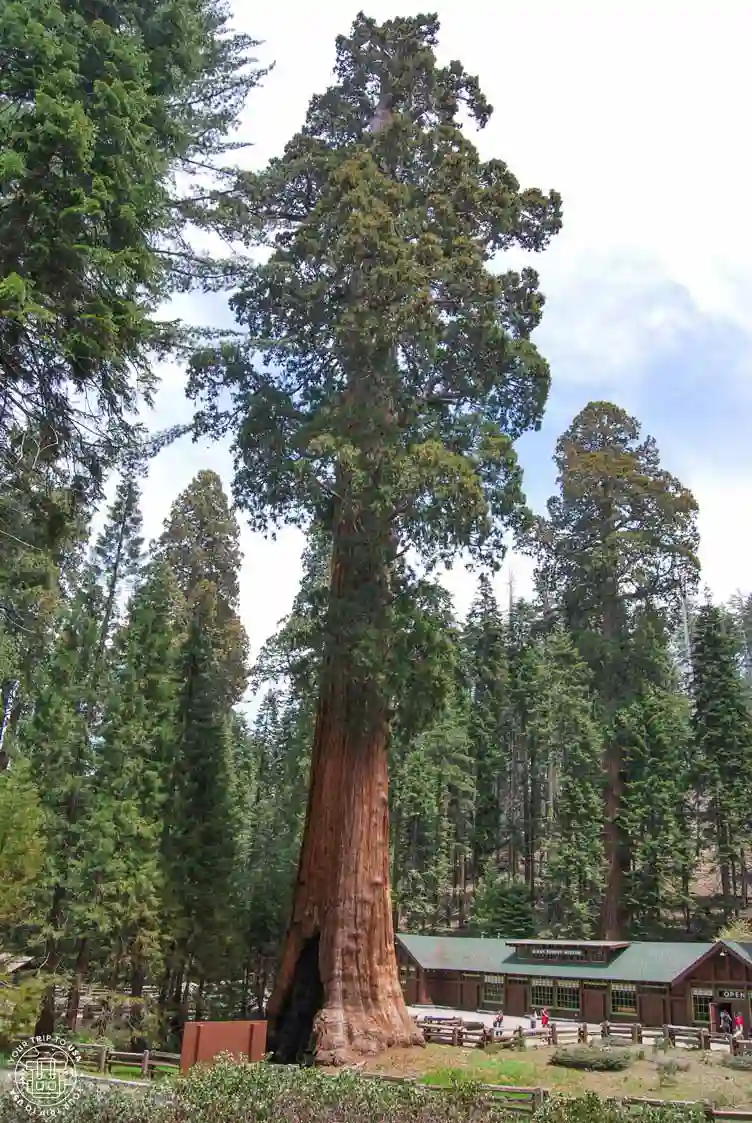
How much is the entrance fee to Sequoia and Kings Canyon
Sequoia and Kings Canyon standard fee varies depending on your mode of transportation:
- Cars, RVs, and vans with up to 15 seats: $35 per vehicle. This rate covers all passengers traveling in the vehicle. If you are a non-resident, there is an additional charge of $100 per person.
- Motorcycle: $30 and covers 2 motorcycles and up to 4 passengers.
- On foot or by bike: $20 per person (over 16 years).
💡Recommended: Tips for Traveling to the USA West Coast
This ticket gives you access to either of the two parks for 7 consecutive days, and you can purchase it at any of the park entrances. 💸 Only card payments are accepted (no cash), so we recommend reading our article on the best cards for traveling to the United States to avoid fees.
 NO FEES CARD FOR THE UNITED STATES
In the U.S., you'll pay for almost everything by card. If you use one from your regular bank, you'll get hit with a ton of currency conversion fees.
💡 That's why we recommend to get the Wise card. There's no maintenance fee, and you can:
💸 Withdraw $250/month in any currency with no fees
💳 Do payments in any currency with no extra fees
There're also a number of passes that already include admission to Sequoia & Kings Canyon; if you have any of these, you won't have to pay anything extra:
- Annual Entrance Pass: $70, granting unlimited entry to both parks and the Hume Lake area in the Sequoia National Forest for 12 months. Available only to U.S. citizens and residents.
- America the Beautiful Pass: $80, granting you access to all U.S. national parks and other natural areas for 12 months. Available only to U.S. citizens and residents.
- America the Beautiful (Non-Residents): $250, granting you access to all U.S. national parks and other natural areas for 12 months. For non-residents only.
⚠️ Sequoia and Kings Canyon are among the national parks where visitors must pay an additional $100 per person at the entrance if they don't have the America the Beautiful Non-Resident Pass.
When is the best time to visit Sequoia National Park
If you're wondering when is the best time to see Sequoia & Kings Canyon National Parks, the truth is that every season has its pros and cons.
🌷Visiting Sequoia & Kings Canyon in the spring
Spring is the ideal time to visit Sequoia National Park, especially from mid-May to mid-June.
- ✅ Waterfalls and rivers with high flow
- ✅ Fewer visitors
- ✅ Plenty of opportunities to see wildlife
- ✅ Pleasant temperatures during the day and cool nights
- ✅ More affordable accommodation
- ❌ There may still be a lot of snow in higher elevations
- ❌ Some roads and trails may be closed
☀️Visiting Sequoia & Kings Canyon in the summer
Summer is the peak season and the most popular time to visit both parks, but visiting during these months also has certain advantages.
- ✅ All roads and most trails are open
- ✅ Sunny days and little chance of rain
- ✅ Long days that are enjoyed to the fullest
- ❌ It can get very hot in low-lying areas
- ❌ By the end of summer, the waterfalls have very little flow
- ❌ Large crowds
- ❌ Possible lines at the entrances and full parking lots
- ❌ More expensive accommodation
🍂Visiting Sequoia & Kings Canyon in the fall
Fall is a transitional season and also the perfect time to visit Sequoia & Kings Canyon, with the added bonus of enjoying the autumn colors in the forests.
- ✅ Roads and trails open (only until mid-October)
- ✅ Pleasant temperatures and cool nights
- ✅ Fall colors in some areas of the park
- ✅ More affordable accommodation
- ❌ Some facilities and roads begin to close starting in mid-October
- ❌ Shorter days
- ❌ Possible snowfall at the end of the season
❄️Visiting Sequoia & Kings Canyon in winter
Winter is one of the most magical times to visit Sequoia National Park, as the contrast between the colors of the sequoias and the white snow is spectacular.
- ✅ Snow-covered sequoias — perfect for photography
- ✅ Few visitors
- ✅ Opportunity to enjoy other activities, such as snowshoeing or cross-country skiing
- ✅ More affordable accommodation
- ❌ Snow chains are required on some roads
- ❌ The days are very short, so you don't make the most of them
- ❌ Several sections of the park are closed
- ❌ Very cold temperatures; at night, temperatures can drop below freezing
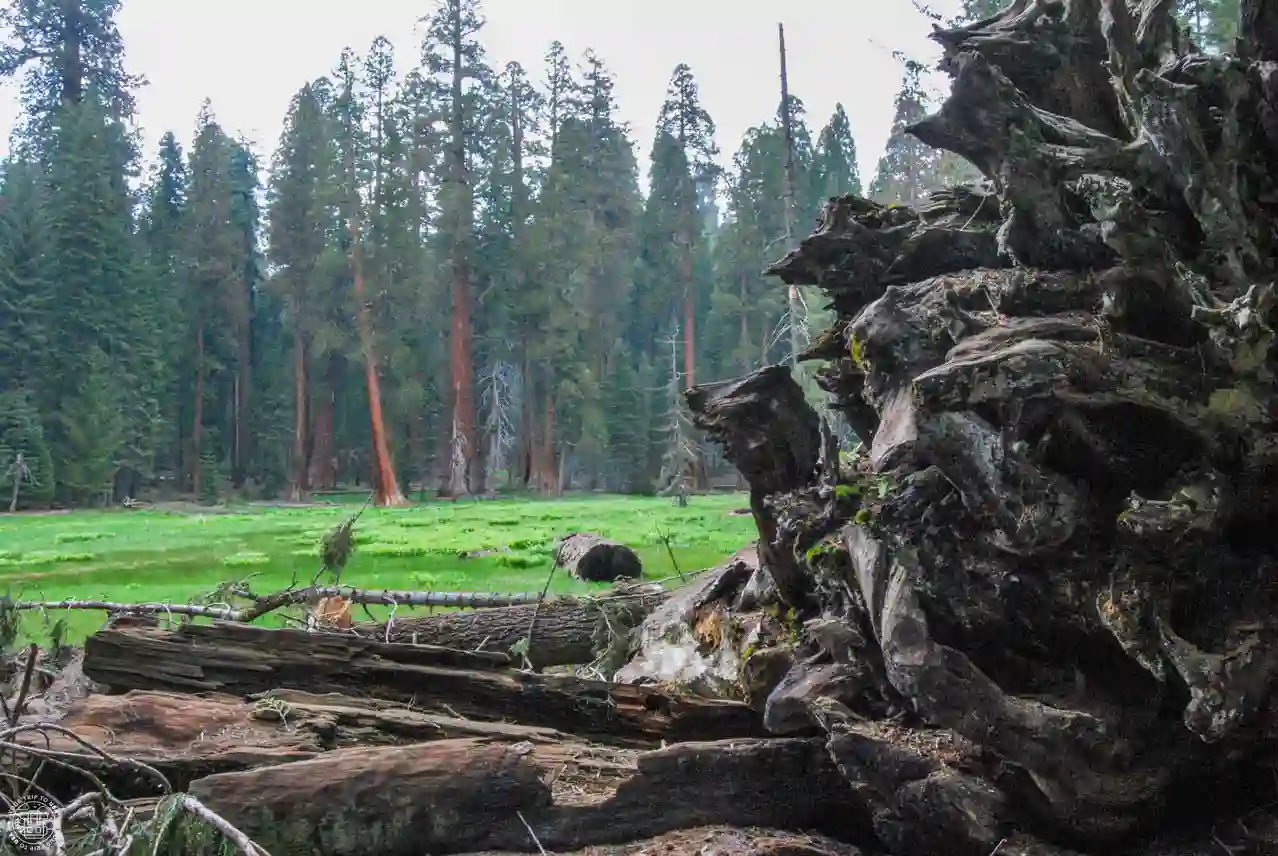
How many days you should spend at Sequoia and Kings Canyon
If you're traveling along the U.S. West Coast, it's common to spend anywhere from half a day to a full day at Sequoia National Park. With half a day, you should focus only on the park's 3–4 must-see spots, while a full day allows you to explore a bit more and even go for a hike.
If you have more time, that’s great! You’ll be able to hike several trails and explore Kings Canyon National Park in greater depth. In our article on everything to see and do in Sequoia & Kings Canyon, you’ll find detailed itineraries for half a day, one day, and two days.
How to get around Sequoia National Park
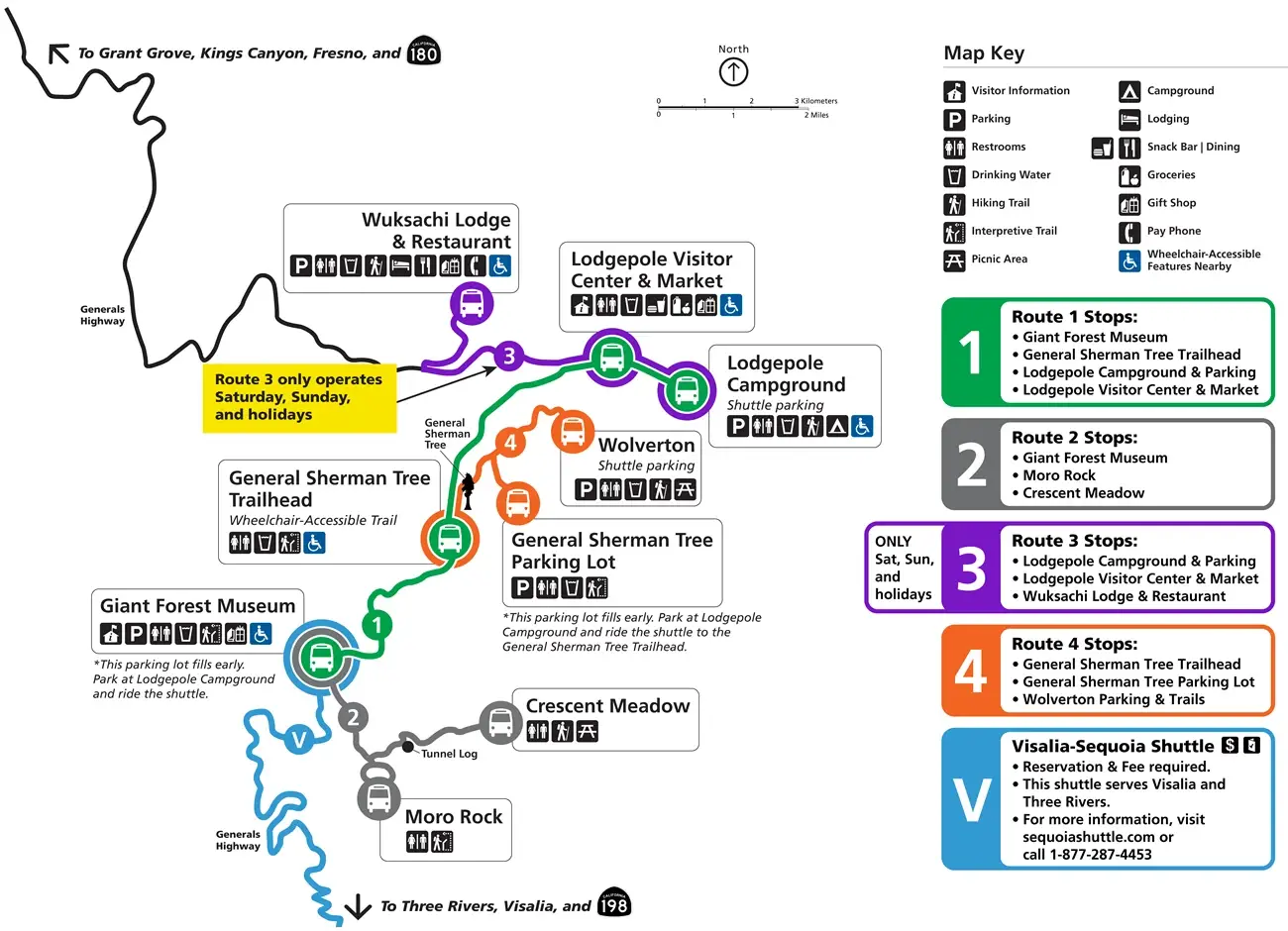
You can drive through both parks in your own vehicle at any time of year, but it’s highly recommended that you use the free shuttle bus service offered by the park during the summer. The service runs from May 22 to September 7 in Sequoia National Park only—not in Kings Canyon—and helps reduce unnecessary traffic on the park roads and saves you the hassle of trying to find parking.
There are a total of 5 routes:
- 🟢Route 1 (green): starts at the Giant Forest Museum and stops at the General Sherman Tree Trailhead, Lodgepole Campground, and the Lodgepole Visitor Center & Market.
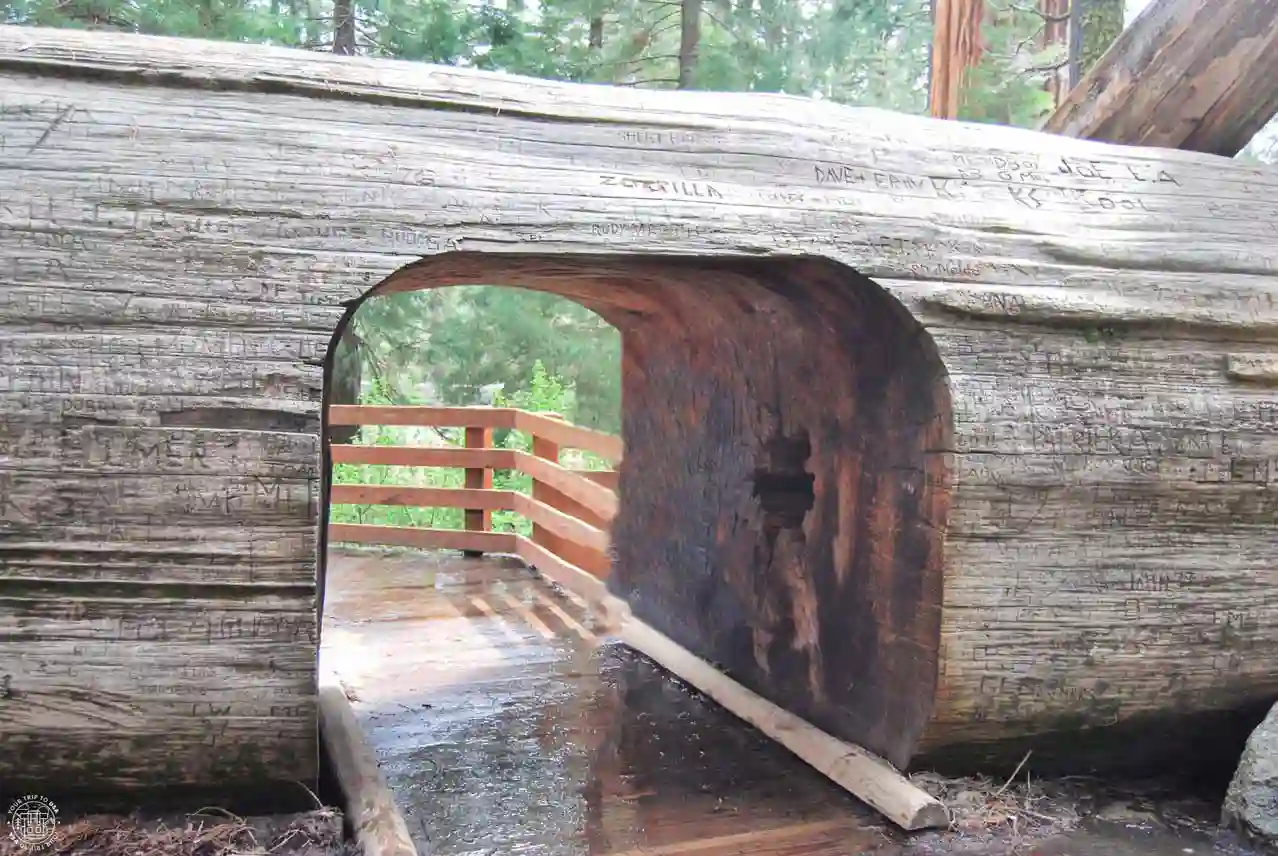
- 🔘Trail 2 (gray): starts at the Giant Forest Museum and stops at Moro Rock and Crescent Meadows. It passes by the Tunnel Log.
- 🟣Route 3 (purple): starts at Lodgepole Campground and stops at the Lodgepole Visitor Center & Market and Wuksachi Lodge. It runs only on Saturdays, Sundays, and holidays.
- 🟠Route 4 (orange): starts at the General Sherman Tree Trailhead and stops at the General Sherman Tree Parking Lot and Wolverton.
🔵During the summer (May 22–September 7), there is a bus route (Blue Line) that connects Visalia and Three Rivers with the Giant Forest Museum. This is a paid service that requires advance booking; tickets cost $7.50 each way and can be purchased here.
⚠️Please note that the parking lot at the Giant Forest Museum and the General Sherman Tree Trailhead is usually full by mid-morning during peak season.
Where to stay in Sequoia and Kings Canyon
There are several accommodation options in Sequoia and Kings Canyon National Parks, ranging from staying at a lodge inside the park, camping at one of the 14 campgrounds, backpacking if you’re planning a multi-day hike, or choosing a place to stay in one of the towns near any of the park entrances.
🏨 Since this is a pretty extensive topic, we’ve put together a dedicated post on where to stay in Sequoia National Park, where we’ll walk you through all your options and provide a table listing all the campgrounds along with details about each one. Don’t miss it!
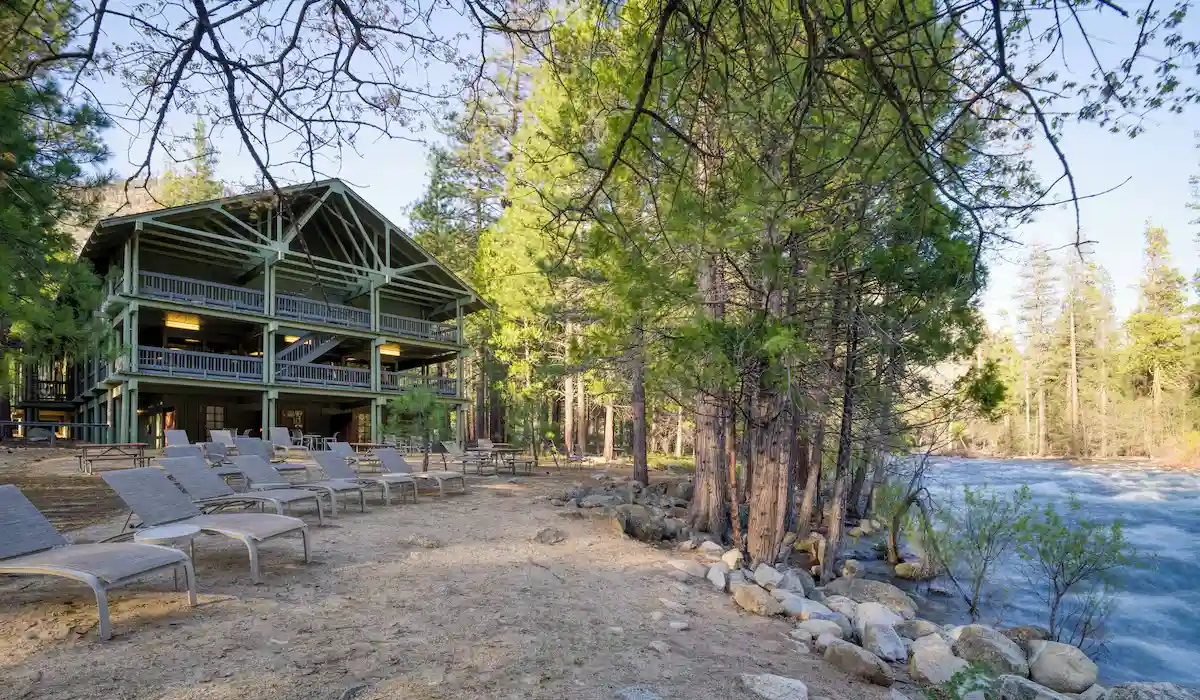
To sum up, the most notable lodges within the park are the John Muir Lodge, the Wuksachi Lodge, and the Cedar Grove Lodge.
If you want to stay on the outskirts, you’ll need to choose based on which park entrance interests you most. On the north side, Fresno is the closest, most developed option; otherwise, you’ll have to look at very small towns like Dunlap and Yokuts Valley. On the south side, the closest and most picturesque option is to stay in Three Rivers, although Exeter and Visalia are farther away but offer more amenities.
Things to do in Sequoia and Kings Canyon
There are so many things to do in these two parks, so we've written a post highlighting the must-see attractions in Sequoia National Park, where we've also included suggested itineraries for you to follow depending on how much time you have.
💡Recommended: Things to do in Sequoia National Park | Top 15 + Map |
Tips for First-Time Visitors to Sequoia and Kings Canyon
And finally, these tips for visiting Sequoia National Park will come in handy if it’s your first time there:
- ⛽ Fill up your tank before entering Sequoia & Kings Canyon; there are no gas stations inside either park. It’s best to fill up in Fresno or Visalia, since that’s where you’ll find the most gas stations and the best prices. We always use the GasBuddy app to find the cheapest gas stations.
- 🐻 Black bears (not grizzlies) live here. Bear spray is prohibited, and you must follow the rules and safety guidelines to avoid unfortunate encounters, such as storing food in the metal lockers located throughout the park and making sure to close the trash cans securely—all of which are equipped with bear-proof lids.
- 💸 Both parks are cashless, so all payments must be made by card. Check out our post on the best cards for traveling to the United States to avoid currency conversion fees.
- 🚐 In addition to the restrictions on RVs mentioned in this section, vehicles longer than 6.7 meters (22 ft) are not permitted on Moro Rock/Crescent Meadow Road or Crystal Cave Road. Vehicles longer than 12.2 meters (40 ft) are prohibited from traveling on Mineral King Road.
- 📅 If possible, try to avoid weekends and peak travel times, such as spring break, school vacations, and the free entrance days for US citizens and residents.
- 👉 If you're visiting during peak season, head to the most popular spots as early as possible and then visit the rest of the attractions. Parking lots fill up quickly, and the most crowded areas are Grant Grove, Giant Forest, and Cedar Grove.
- 🏨 Book your accommodation well in advance if you're visiting during peak season. Check out our post on where to stay in Sequoia to choose your hotel.
- 🐿️ Don't touch or feed the animals, including squirrels, and don't take any plant species with you. This is strictly prohibited, and fines can reach up to $5,000.
- ℹ️ Check the park's official website for information on any closed roads or other important details.
- ⛺ If you want to camp on the wild because you’re going on a hike that requires it, you must obtain a wilderness permit. During peak season, reservations are made through recreation.gov and there is a fee; outside of these months, the permit is free and must be obtained in person.
Map of Sequoia National Park and Kings Canyon
On this map, you'll find the entrances, visitor centers, lodging options, and restaurants within both parks, as well as nearby gas stations. We hope you find it useful!
FAQs about Sequoia and Kings Canyon National Parks
What’s the difference between Sequoia and Kings Canyon?
They are two separate national parks, but because of their proximity, they operate as a single unit. Both offer the chance to see giant sequoias and hike mountain trails.
Can you visit Sequoia and Kings Canyon together?
Yes, they are managed jointly, and it’s very common to visit them on the same trip.
Do you need a car to visit these parks?
During peak season, you can get around the main attractions in Sequoia by public transportation, but you absolutely need a car to visit Kings Canyon.
What are the must-see spots in Sequoia National Park?
The General Sherman Tree, Moro Rock, Tunnel Log, Crescent Meadows, and Giant Forest are the main attractions, though there are many more that you can discover in our post about the best things to see and do in Sequoia.
What are the must-see attractions in Kings Canyon National Park?
The Grant Grove area with the General Grant Tree and the Kings Canyon Scenic Byway are the main attractions.
Is there an entrance fee to access Sequoia and Kings Canyon?
Yes, there is an entrance fee for both parks, but admission is included with the America the Beautiful annual passes.
Can you visit Sequoia in winter?
Yes, the snow creates a spectacular contrast with the red of the sequoias, but keep in mind that some roads will be closed and trails will be impassable.
We hope you found this article—which contains all the information you need to visit Sequoia National Park (and its neighbor, Kings Canyon)—useful.