

14-day Pacific Northwest Road Trip
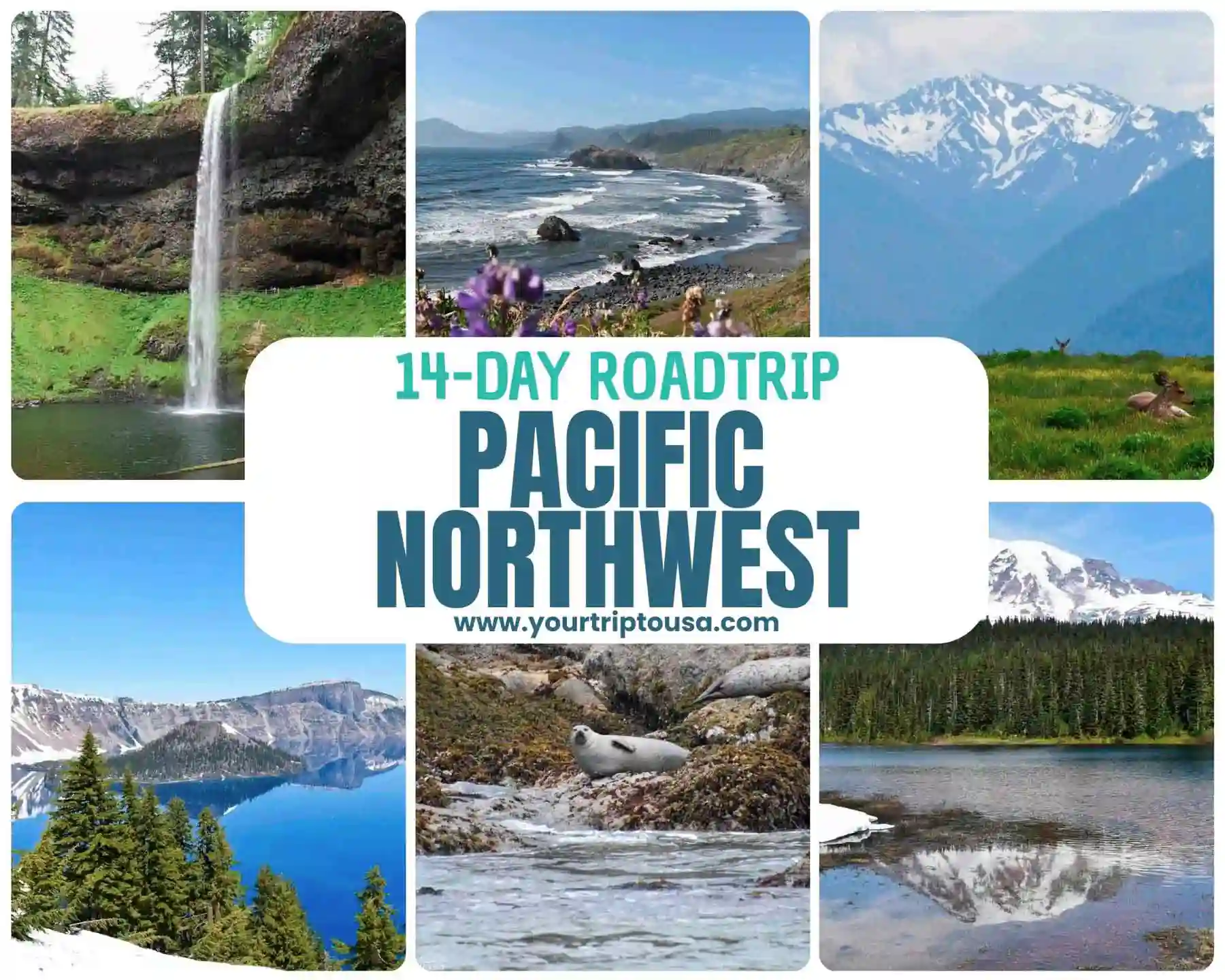
This is our proposal for a two-week Pacific Northwest Road Trip, visiting three national parks, several forests, national monuments, and state parks. The itinerary is designed to be circular, starting from Seattle, although you could also start in Portland. You can do it either by rental car or by rental camper or motorhome; only the overnight stops would change.
The following table provides a summary of the route:
| 14-DAY PACIFIC NORTHWEST ROAD TRIP | ||||||
|---|---|---|---|---|---|---|
| Days | Stops | Distance (mi -km) | Driving (h) | Recommended Tours | Accommodation | |
| 1 | Seattle | - | - | Space Needle + Chihuly Garden & Glass Ticket | Palihotel Seattle | |
| 2 | Mount Rainier | 130 (208) | 3:15 | Seattle: Mt Rainier Guided Tour | Mountain Meadows Inn | |
| 3 | Mount St. Helens | 170 (272) | 3:30 | - | Comfort Inn & Suites | |
| 4 | Columbia River Gorge | 103 (165) | 1:45 | Portland: Columbia Gorge Waterfalls Tour | Hood River Hotel | |
| 5 | Mount Hood | 144 (230) | 2:45 | Mt. Hood Day Tour from Portland | My Place Hotel-Bend | |
| 6 | Deschutes | 79 (126) | 1:30 | Kayak on the Cascade Lakes from Bend | The Woodsman Country Lodge Motel | |
| 7 | Crater Lake | 156 (250) | 3:30 | - | Red Lion Inn | |
| 8 | Oregon Caves y Redwood | 119 (190) | 2:45 | - | Curly Redwood Lodge | |
| 9 | Costa de Oregón | 181 (292) | 3:40 | Oregon Coast + Cannon Beach from Portland | Park Motel and Cabins | |
| 10 | Costa de Oregón | 50 (80) | 1:10 | - | Seven Seas Inn & Suites | |
| 11 | Silver Falls | 162 (260) | 3:30 | - | My Place Hotel-Portland East | |
| 12 | Olympic Peninsula | 249 (401) | 4:45 | - | Pacific Inn Motel | |
| 13 | Olympic Peninsula | 175 (282) | 4:30 | - | Angeles Motel | |
| 14 | Olympic Peninsula | 53 (85) | 1:43 | - | ||

RENT A CAR IN THE UNITED STATES
The best way to explore the United States is by car, giving you the freedom to travel at your own pace.
🚗 Whether you’re looking for a convertible Mustang, a 4x4, or a regular car, we recommend to book through this car rental search engine
💸 This is where we find the best prices, both on the rental car itself and on full coverage insurance!
Day 1: Seattle
Ideally, you should arrive in Seattle the day before to pick up your rental car at the airport and have the whole day to explore the city. Here begins your two-week itinerary through Oregon and Washington!
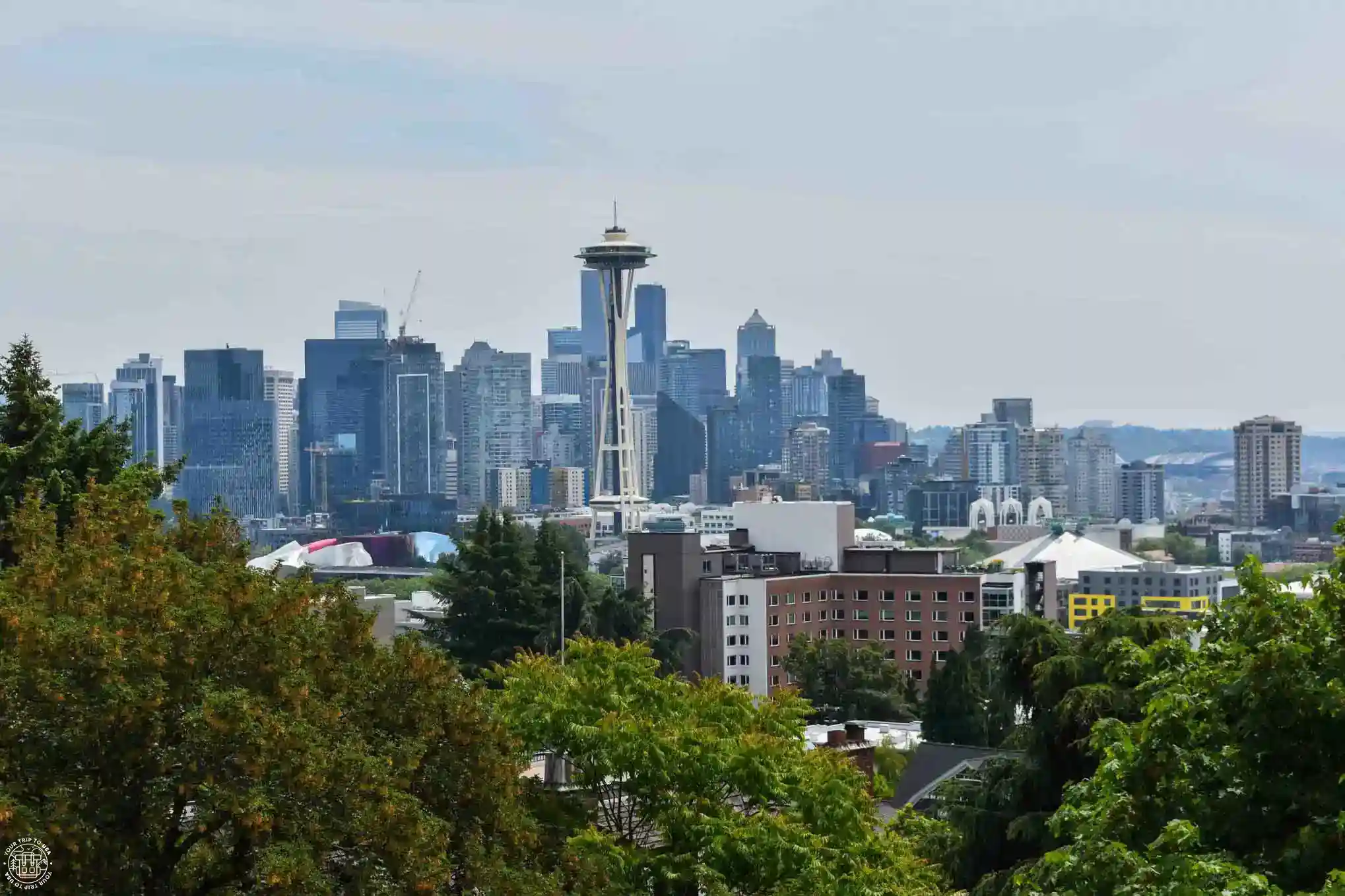
You should spend your first day visiting the city's main attractions, such as Pike Place Market and its surroundings, Waterfront Park with its Ferris wheel and views of the harbor, the Amazon campus with The Spheres, and Seattle Center with its iconic Space Needle tower. If you want more information about the city, you can read our article on what to see in Seattle (coming soon).
🛏️ If you plan to spend one or two nights in the city, we recommend reading: Where to Stay in Seattle | Areas + Map + Hotels |
Day 2: Mount Rainier National Park
- Distance: 130 miles (208 km)
- Duration: 3 hours and 15 minutes
- Where to stay: Ideally in the town of Ashford, we recommend the Mountain Meadows Inn.
- Please note: In winter, the only open route is from Longmire to Paradise. As this route only visits three national parks, we recommend purchasing the Standard Entrance Pass instead of the annual pass (America the Beautiful). It costs $30 per vehicle and is valid for seven days.
On the second day, you should get up early, as you have a 2-hour drive ahead of you to Mount Rainier National Park. To visit this park in one day, we recommend heading to the Paradise area, specifically the Jackson Visitor Center. Before arriving at the visitor center, once you are inside the national park, you can stop at Narada Falls.
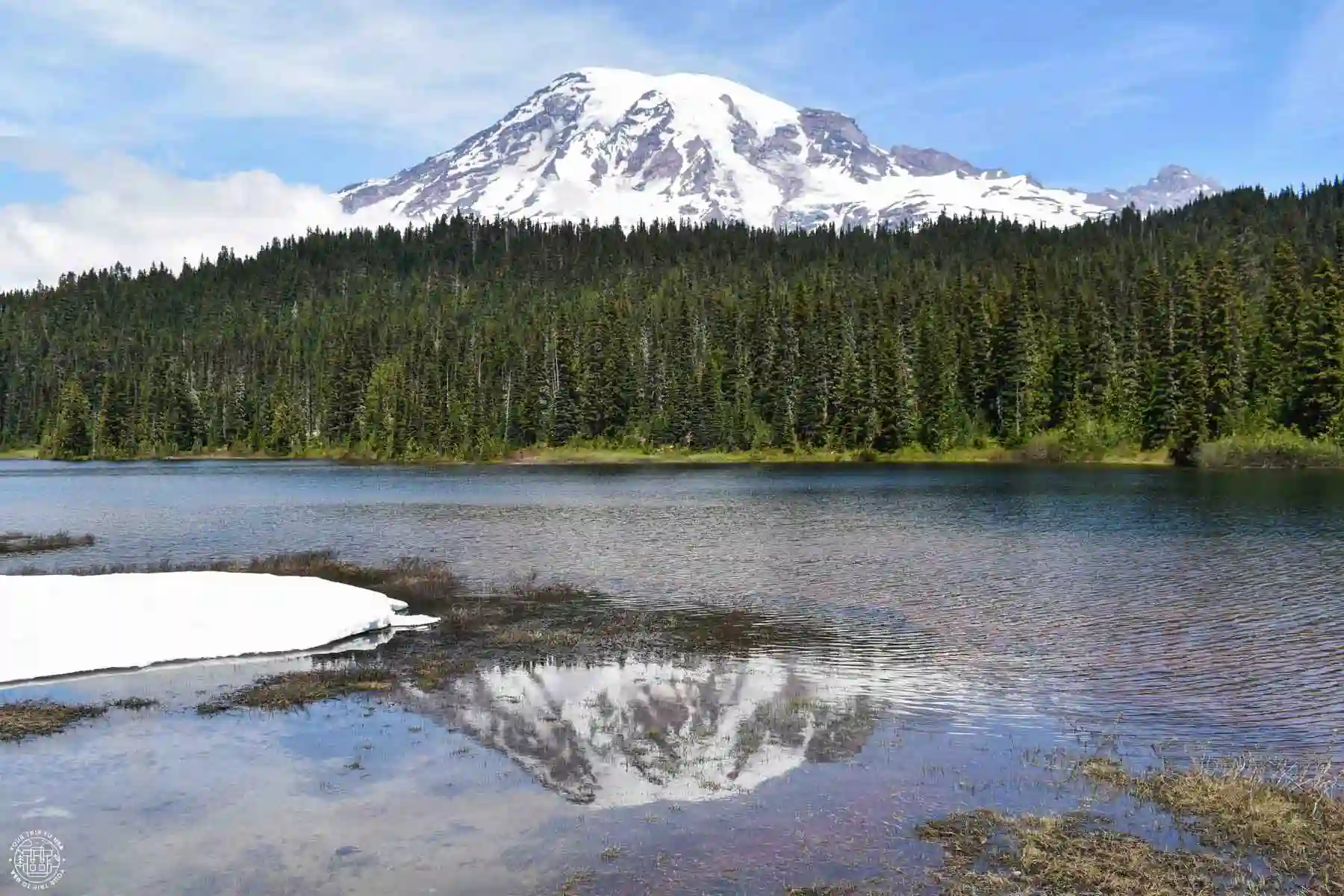
In the Paradise area, we suggest visiting the visitor center and taking a pleasant walk to Myrtle Falls. Back on the main road that crosses the park, turn left to visit two nearby spots: Inspiration Point, a beautiful viewpoint with great views of the surrounding area, and Reflection Lakes, a series of beautiful lakes with the best views of Mount Rainier reflected in them.
Day 3: Mount St. Helens National Volcanic Monument
- Distance: 170 miles (272 km)
- Duration: 3 hours and 30 minutes
- Where to stay: Ideally in Kelso, we recommend the Comfort Inn & Suites.
- Please note: In winter, the road is only open to the Coldwater Ridge Visitor Center. The cost of access to the National Monument is $5 per vehicle and is included in America the Beautiful (annual national park pass).
On the third day of the road trip to the Pacific Northwest, you will head to Mount St. Helens, where the worst volcanic eruption in US history occurred in May 1980. As a result, this national monument was created to preserve and study the effects of a major volcanic eruption.
To visit this nature reserve in a single day, we recommend heading to the Coldwater Ridge Visitor Center, as the Johnston Ridge Observatory will remain closed until at least 2027. Here you will have an unbeatable panoramic view of the volcano and Coldwater Lake. In addition, the visitor center has exhibitions on volcanoes and the eruption that made it so famous.
On the way there, stop at the various viewpoints along the access road (Spirit Lake Highway, 504), such as Elk Rock Viewpoint and Castle Lake Viewpoint. You will love the views!

INTERNET IN THE UNITED STATES
💡 The most convenient way to get internet access in the U.S. is to buy an eSIM—that way, you'll have a connection as soon as you set foot in the country. Plus, local SIM cards in the U.S. are pretty expensive.
💸 We have 2 discounts for your unlimited data eSIM for the US:
⭐5% OFF with Holafly ➡️ Excellent coverage
⭐20% OFF with eSIMFlag ➡️ Best price
🤓 Take a loot at: Best SIMs & eSIMs for traveling to the USA
Day 4: Columbia River Gorge
- Distance: 103 miles (165 km)
- Duration: 1 hour 45 minutes
- Where to stay: Ideally in the town of Hood River, we recommend the Hood River Hotel.
- Please note: Multnomah Falls is a very popular spot, and the nearest parking lot ($20) may be full. We recommend exiting I-84 at exit 31 and parking in the large parking lot between the two lanes of the highway ($2). You can access the waterfall via an underground passageway. From May to September, you must make a reservation to access Multnomah Falls through recreation.gov.
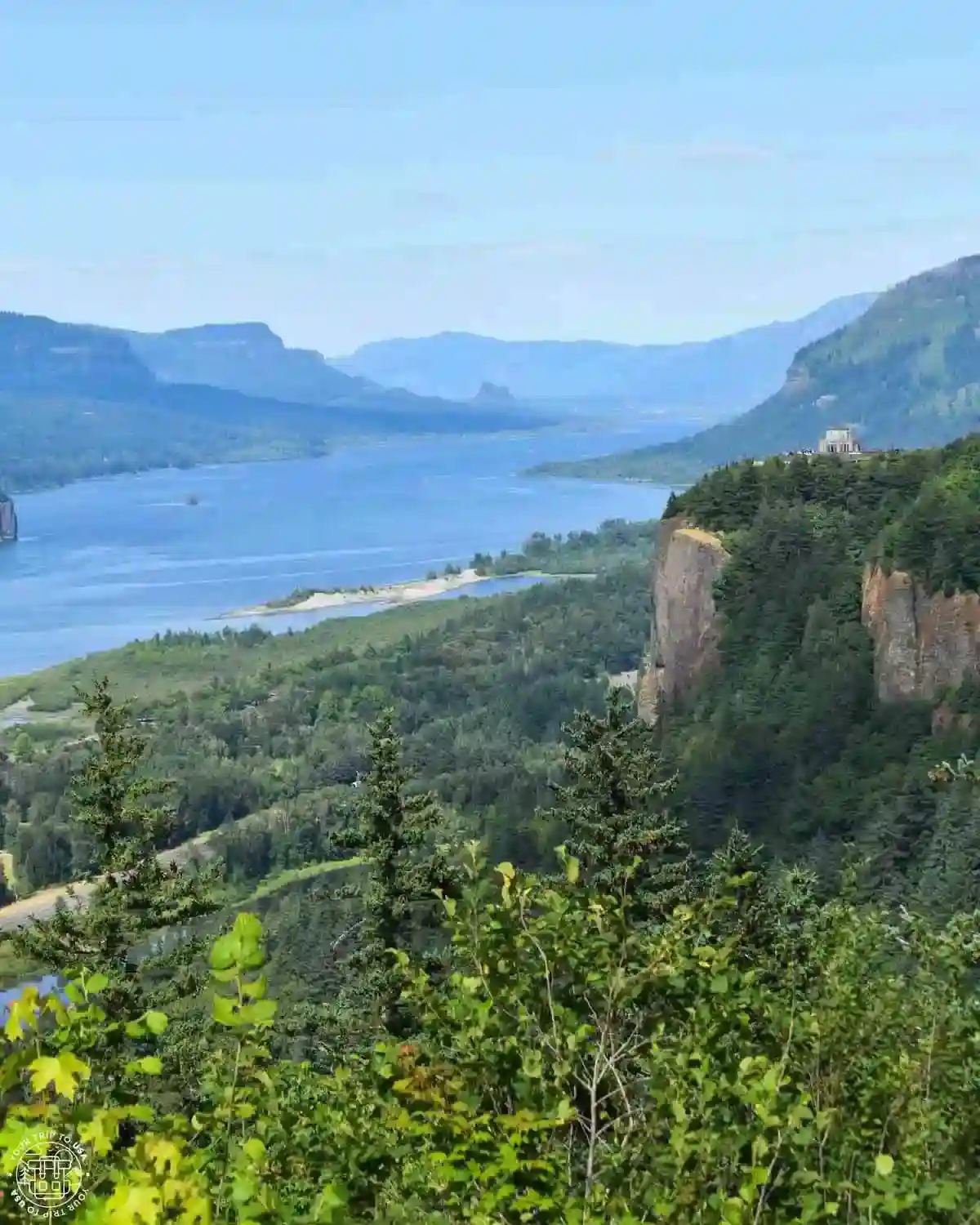
Head south on Interstate 5 toward Portland—today you're crossing state lines! Our first recommendation is the Portland Women's Forum State Scenic Viewpoint, which offers one of the most iconic views of the Columbia River Gorge. After taking the obligatory photos, continue on to the Vista House at Crown Point for another perspective.
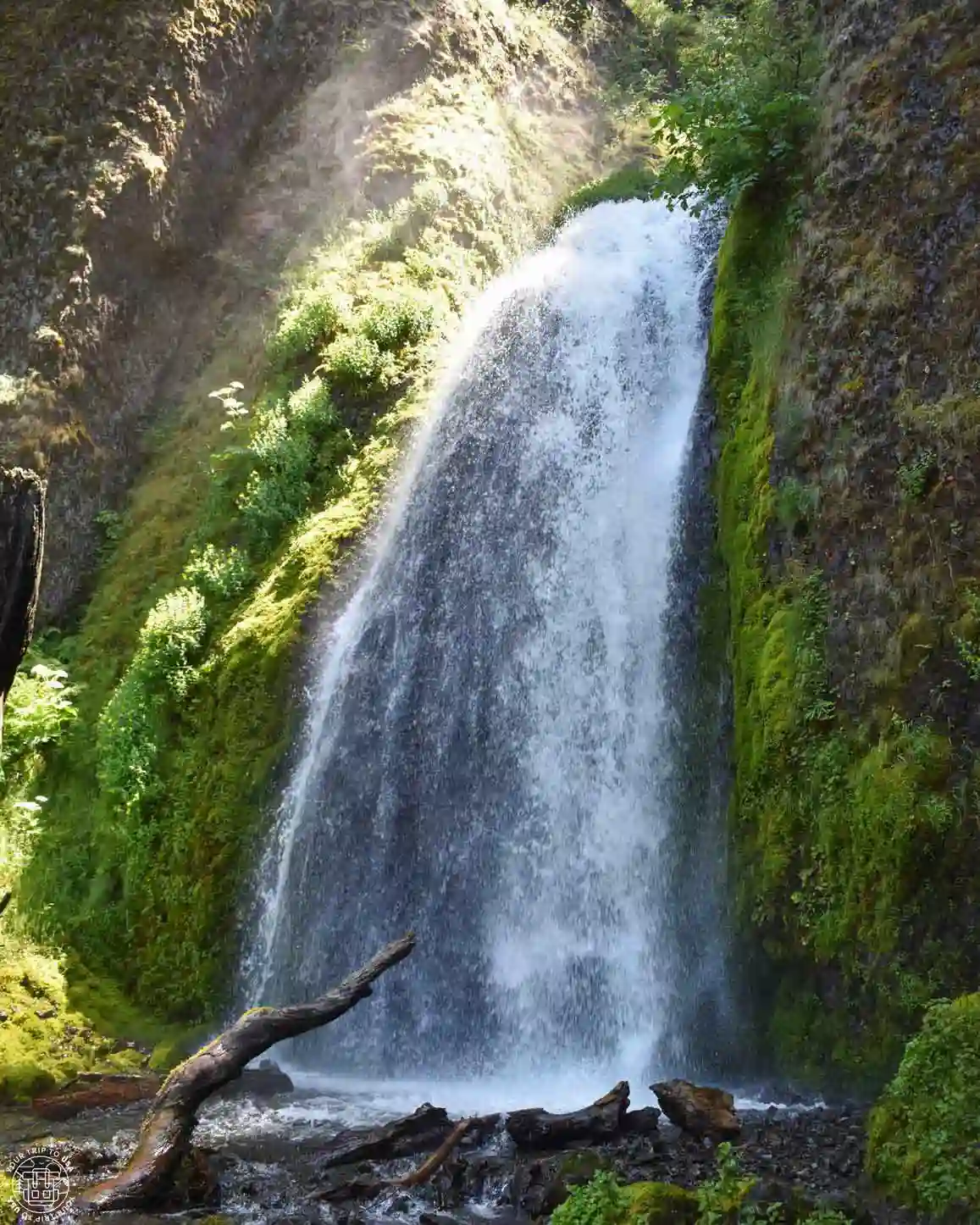
Next, head to the most famous site of the day, Multnomah Falls. This impressive waterfall, the highest in Oregon, will leave you speechless. If you want to continue exploring the area and feel like seeing more waterfalls, you can go to Wahkeena Falls or Horsetail Falls. In the post How to Visit Multnomah Falls, we give you many more details.
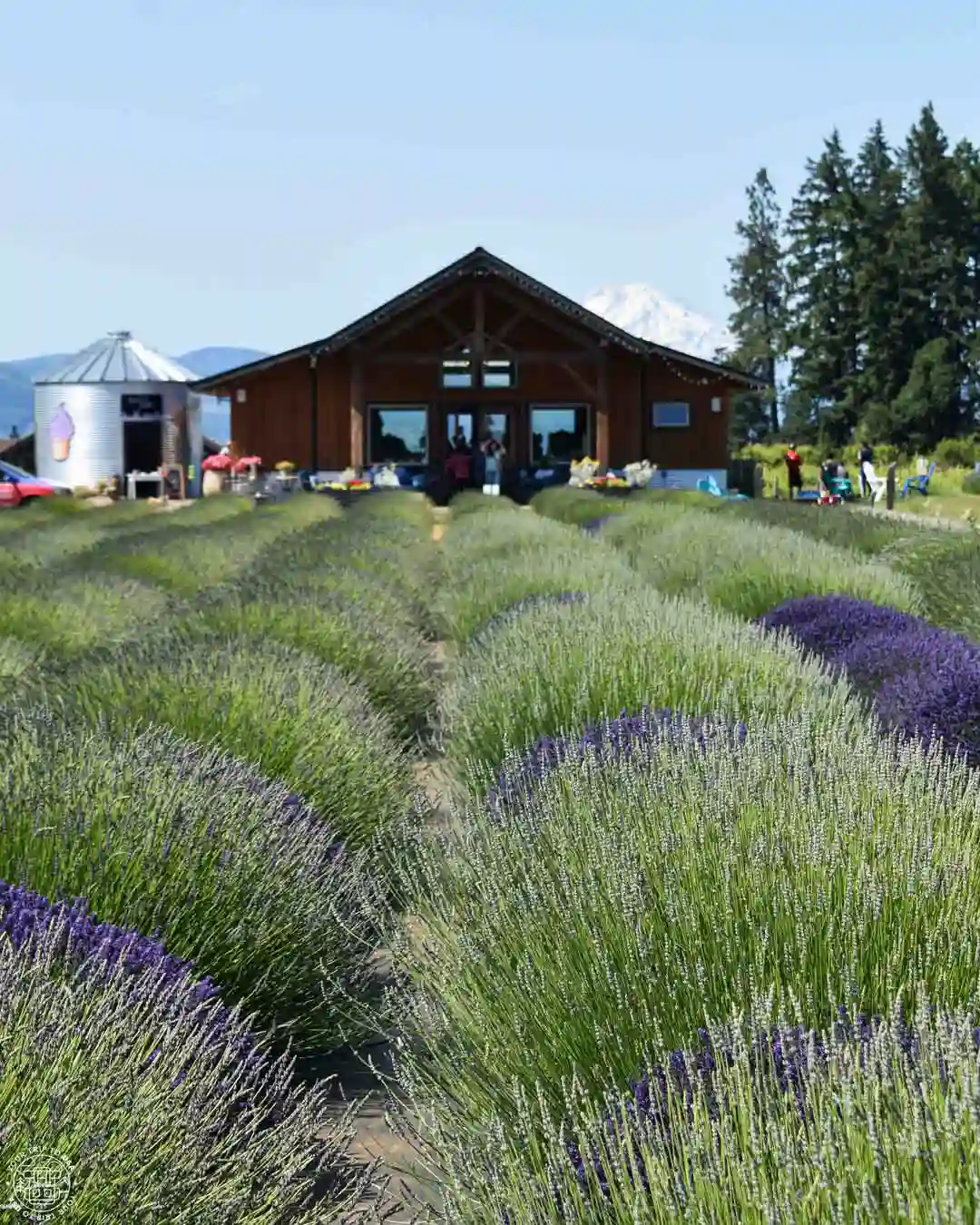
To end the day, we recommend visiting one of Hood River's lavender farms, especially if you are traveling outside of the winter season. We visited Hood River Lavender Farms, where you can enjoy magnificent views of Mount Hood and Mount Adams, visit the lavender fields, buy products made from lavender, or have a craft beer at one of the two bars.
For more information about the area, we recommend our Things to Do in Columbia River Gorge guide article.
Day 5: Mount Hood National Forest
- Distance: 144 miles (230 km)
- Duration: 2 hours and 45 minutes
- Where to stay: We recommend staying in the city of Bend, specifically at the My Place Hotel-Bend.
- Please note: From November 1 to April 30, some roads in the park may be closed, and you will need an Oregon Sno-Parks pass to visit. To access Trillium Lake the rest of the year, you must pay a fee of $10 per day per vehicle. There are park rangers at the entrance (unless you have a Northwest Forest Pass, as this is included). For the rest of the reserve, the America The Beautiful annual pass or the $5 daily pass per vehicle is valid.
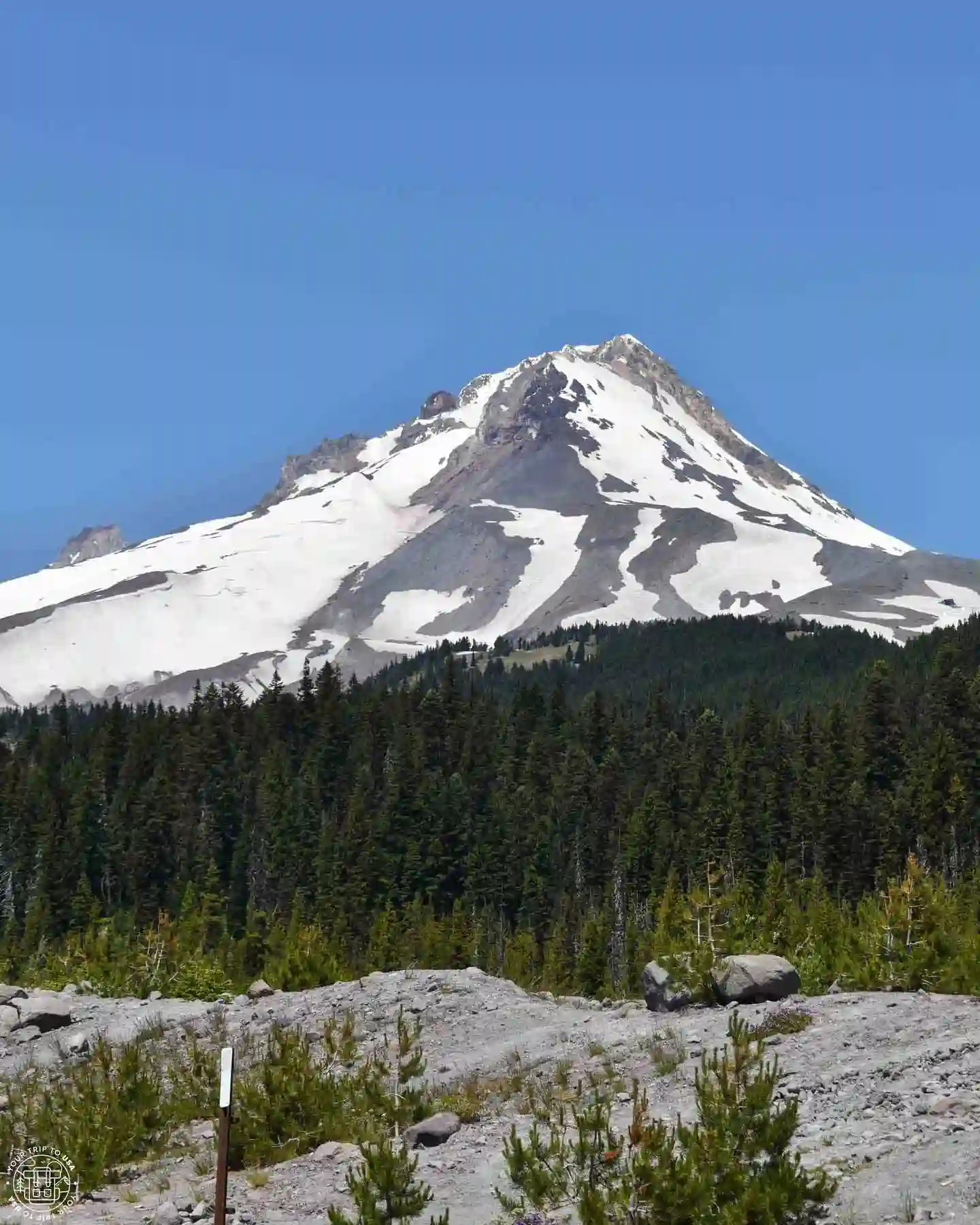
Leave the Columbia River behind and head towards Mount Hood. You may already have spotted the silhouette of its north face! Today, we recommend circling this beautiful mountain on its eastern side and heading to Mount Hood National Forest to see its south face. On the way, you can stop at White River West Sno-Park on Highway 35 for a closer view.
In this national forest, we recommend visiting three lakes: Trillium Lake, with beautiful views of the lake and the volcano in the background; the small but very interesting Little Crater Lake; and Timothy Lake, the largest of the three, which also offers views of Mount Hood.
When you've had your fill of beauty, continue south to the city of Bend, our recommendation for spending the night. If you arrive in time and feel like taking a journey into the past, we recommend visiting the only Blockbuster video store still open in the world. For more information about this place, check out our article on what to see in Oregon.
Day 6: Deschutes National Forest
- Distance: 79 miles (126 km)
- Duration: 1 hour 30 minutes
- Where to stay: Tonight we recommend staying at an authentic roadside motel, The Woodsman Country Lodge Motel. If you can't find a room there, you can look in the town of La Pine.
- Please note: From December 1 to March 31, the road is closed to traffic. To visit the park, you will need a Northwest Forest Pass, America The Beautiful Pass, or a $5 daily pass per vehicle.
Continue your journey south through Oregon, but we suggest taking a short detour to visit Deschutes National Forest. This national forest, located very close to Bend, is one of the state's best-kept secrets, dotted with lakes and volcanoes. A scenic highway runs through it, the Cascades Lake Scenic Byway, so you can explore it at your leisure.
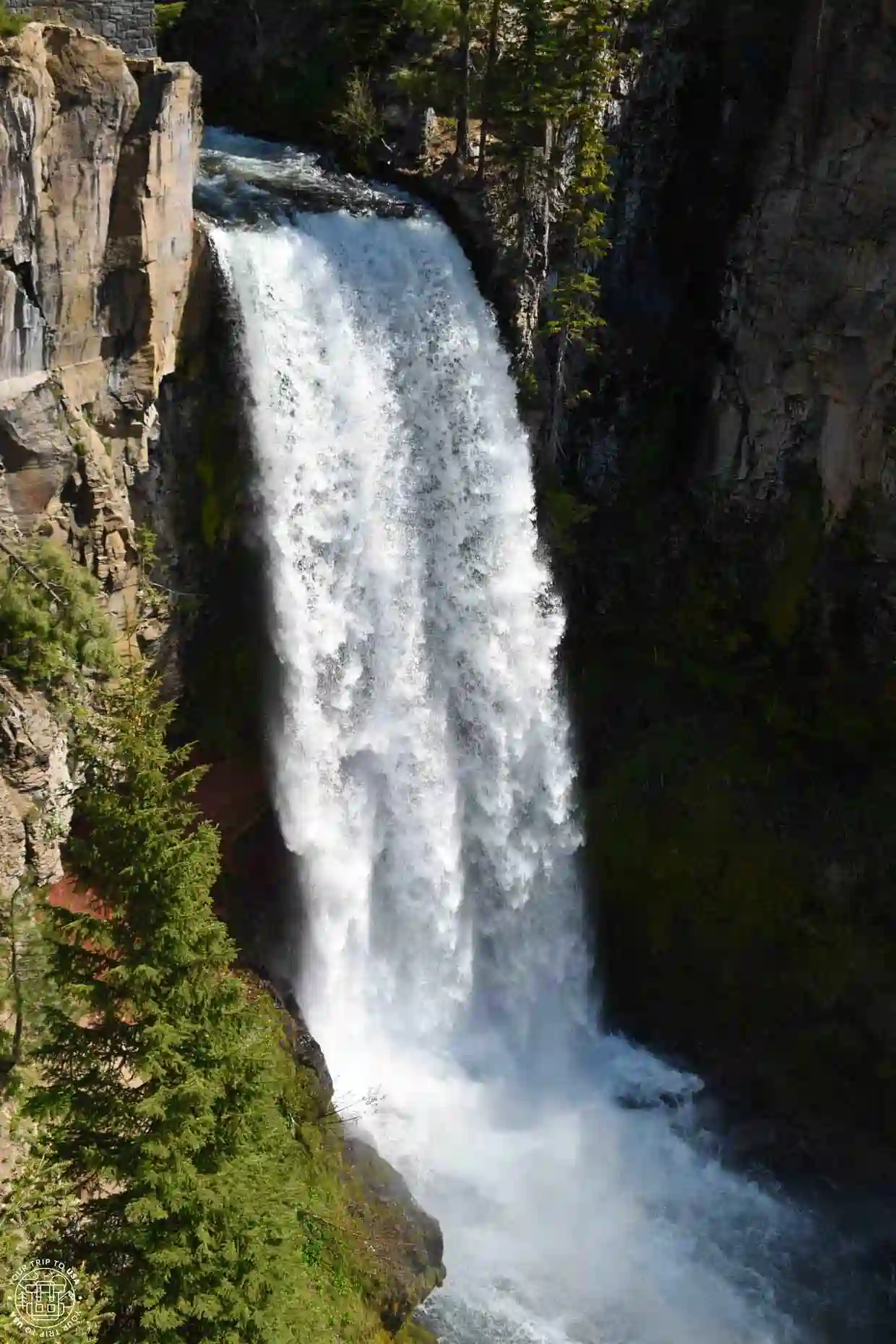
But before you set off on this road, we suggest you visit Tumalo Falls. These 92-feet-high (30m) waterfalls are located on the outskirts of Bend, and the viewpoint is just a 1300-feet (400m) walk from the parking lot.
Back in Bend, after visiting the waterfall, take Highway 372 heading into the park. Your first stop should be Mount Bachelor, then continue on to Sparks Lake, where you'll have great views of the west face of the volcano. Before you reach the lake, you'll probably notice some mountains that catch your eye—these are the Three Sisters.
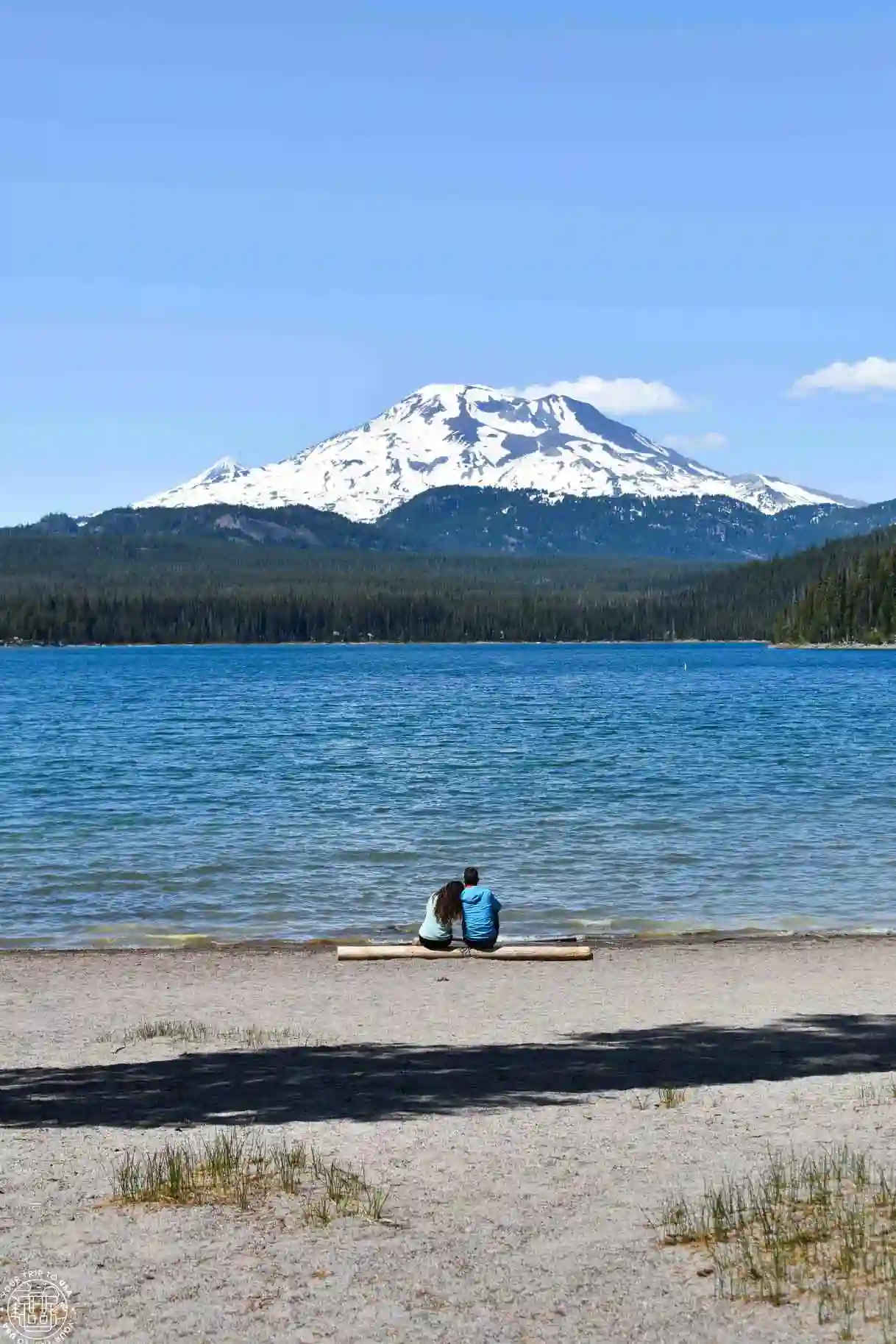
Your next stop could be Devils Lake, where you'll once again have great views of the volcano with the lake in front of you. Next stop is Elk Lake, where we recommend you spend some time on the beach, as the panoramic view is beautiful. And if you still haven't had your fill of lakes surrounded by lush forests with a volcano in the background, we have one last suggestion: Lava Lake, where you can walk up to the Lava Lake Resort pier or visit its little brother, Little Lava Lake.
Finally, head to Davis Lake and drive down the forest road to the shore. Although this lake does not have as good views as the previous ones, it is the only one that has an ancient lava flow pouring into it.
Day 7: Crater Lake National Park
- Distance: 156 miles (250 km)
- Duration: 3 hours and 30 minutes
- Where to stay: We recommend staying as close as possible to Oregon Caves National Monument, even if that means driving further on this day. We therefore recommend spending the night in Grants Pass, specifically at the Red Lion Inn.
- Please note: The north entrance and North Rim Drive are usually closed from November 1 to the end of June or July, depending on snowfall. The price of the Standard Entrance Pass depends on the time of year: $30 (May 22 to October 31) or $20 (the rest of the year) per vehicle. The America the Beautiful annual national park pass is also valid.
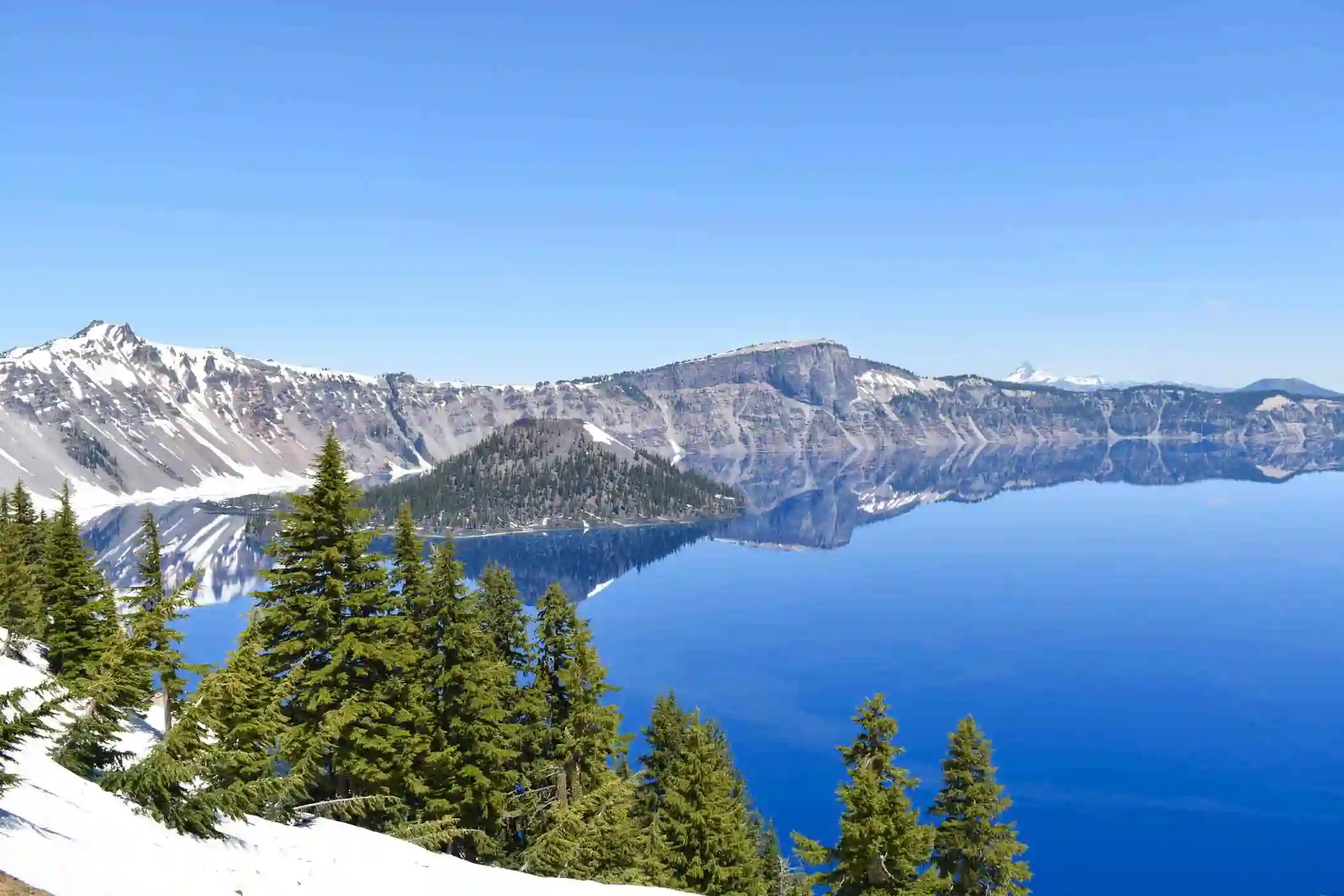
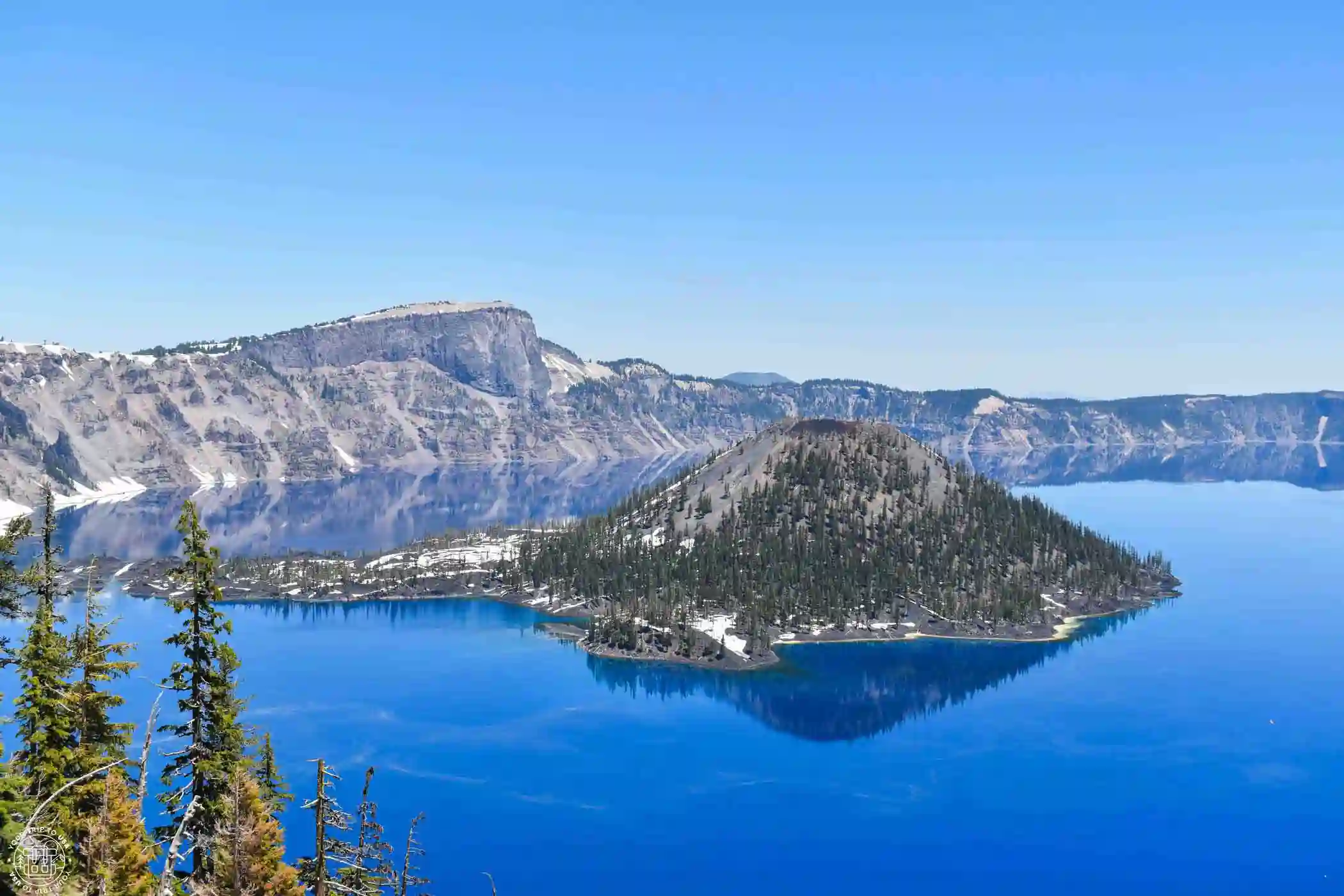
Today you'll have to get up early again, as you have many hours of driving ahead of you and one of the greatest wonders of the west coast, Crater Lake National Park! Anything we tell you about this place will fall short, so you'll have to see for yourself if we're right or not. 😅
Our recommendation, as long as the north entrance is open, is to enter there. Try to arrive early, because it's a very popular place, there are usually lines at the entrances, and the parking lots fill up very quickly. Once inside the park, drive along the road that borders the crater and stop at some of the viewpoints—you won't regret it!
When you reach the south side of the crater, try to park in the Rim Village parking lot and continue on foot along the path that runs along the lake to the east—the views are spectacular! If the north entrance is closed, you can only enter and exit through the south gate, but you can still reach Rim Village and walk along the edge of the crater.
When you can no longer bear the symptoms of Stendhal Syndrome, pick up your car from the parking lot and head towards Grants Pass, which is still a 2-hour drive away. If you want to know all the secrets of this park, read our guide to Crater Lake National Park (coming soon).
Day 8: Oregon Caves National Monument and Redwood National & State Parks
- Distance: 119 miles (190 km)
- Duration: 2 hours and 45 minutes
- Where to stay: We recommend staying in the town of Crescent City, California. Specifically, at the Curly Redwood Lodge.
- Please note: The caves at Oregon Caves National Monument can only be visited on a guided tour and from late March to the end of the year. It is advisable to book in advance through recreation.gov, although tickets can also be purchased on the day at the Visitor Center in Cave Junction. With the annual national park pass (America the Beautiful), you get a discount on admission. Children must be taller than 42" and able to walk on their own.
The route continues south to visit one of Oregon's must-see attractions, the Oregon Caves National Monument. From Grants Pass, take Highway 199 towards Cave Junction. If you don't have tickets for a tour that day, you can stop at the Cave Junction Visitor Center to see if there are any tours available, but we recommend that you try to book them in advance.
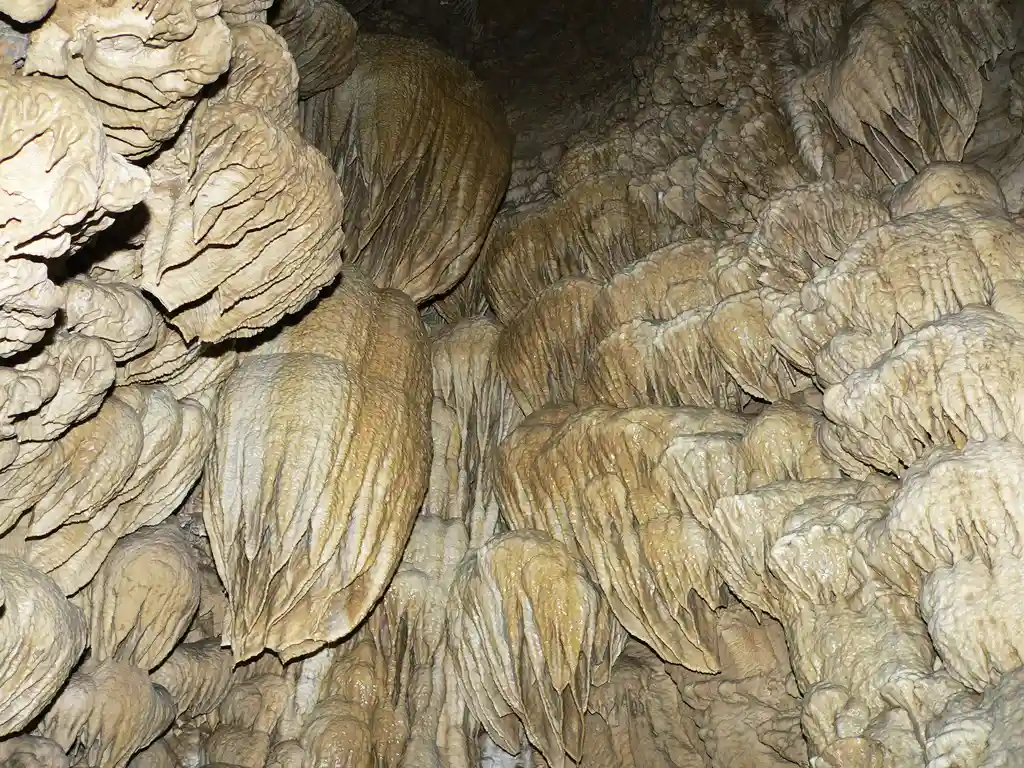
What makes this place unique, apart from the rock formations inside, is that the caves are made entirely of marble, which is exceptional. In addition, you can also visit the Oregon Caves Chateau, a historic building constructed in 1934 in a rustic style and considered a national historic landmark.
Once you've finished your visit, head south to reach the coast, crossing into the state of California. Here we have a surprise in store for you: Redwood National & State Parks. Although you won't have much time to visit, we recommend driving along Howland Hill Road.
In our humble opinion, this short forest track is one of the most beautiful roads in the world. There are few places where you can drive just a few meters away from hundreds of redwood trees, the tallest trees in the world, some of which are hundreds of years old. But don't just settle for driving—park and enjoy some of the trails parallel to the road, such as Stout Grove or Grove of Titans. They will leave you speechless!
Days 9 and 10: Oregon Coast
- Distance: 231 miles (370 km)
- Duration: 4 hours and 45 minutes
- Where to stay: On the first day, we recommend staying in the town of Florence, specifically at the Park Motel and Cabins, and on the second day in Newport, at the Seven Seas Inn & Suites.
 NO FEES CARD FOR THE UNITED STATES
In the U.S., you'll pay for almost everything by card. If you use one from your regular bank, you'll get hit with a ton of currency conversion fees.
💡 That's why we recommend to get the Wise card. There's no maintenance fee, and you can:
💸 Withdraw $250/month in any currency with no fees
💳 Do payments in any currency with no extra fees
Day 9: From Crescent City to Florence
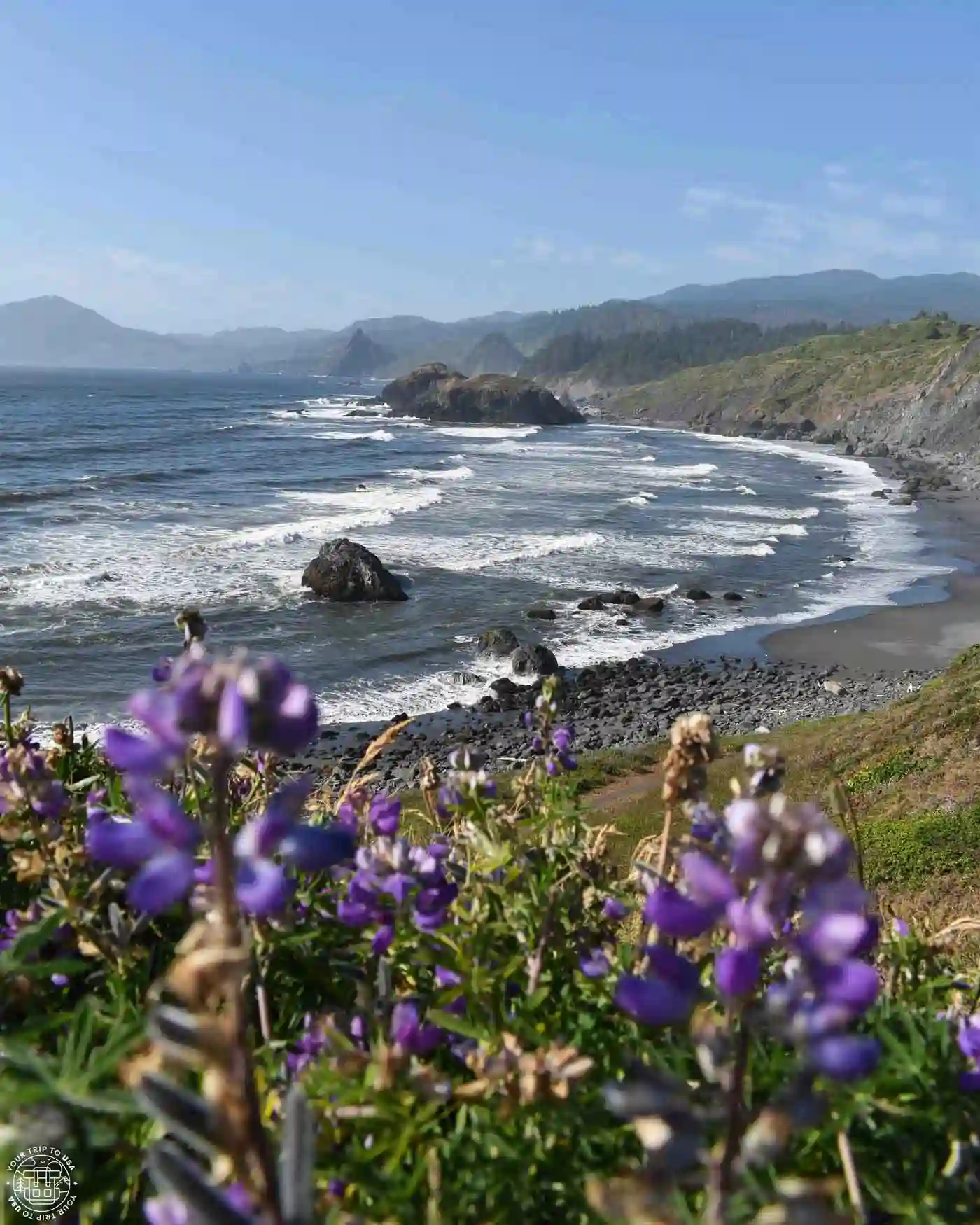
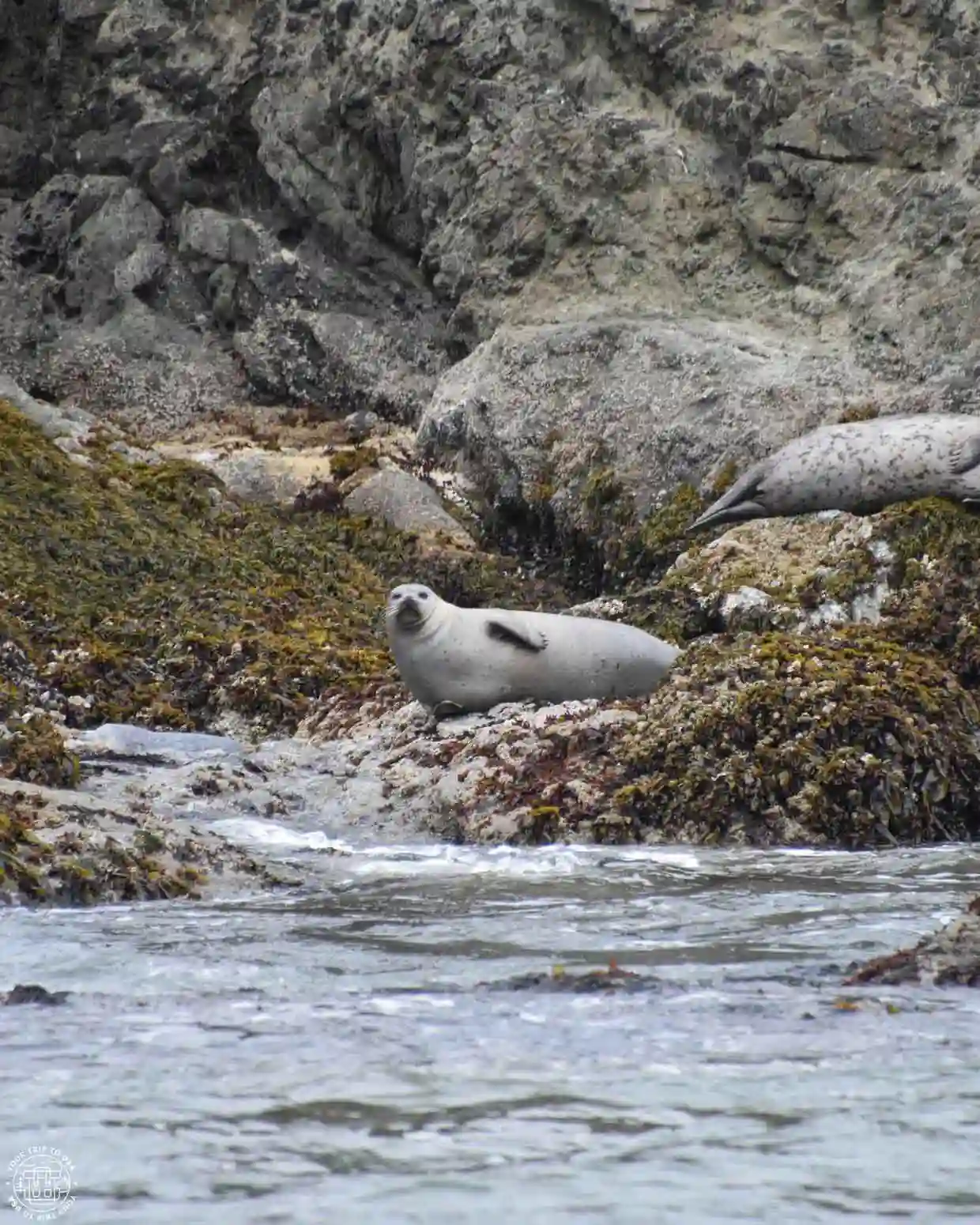
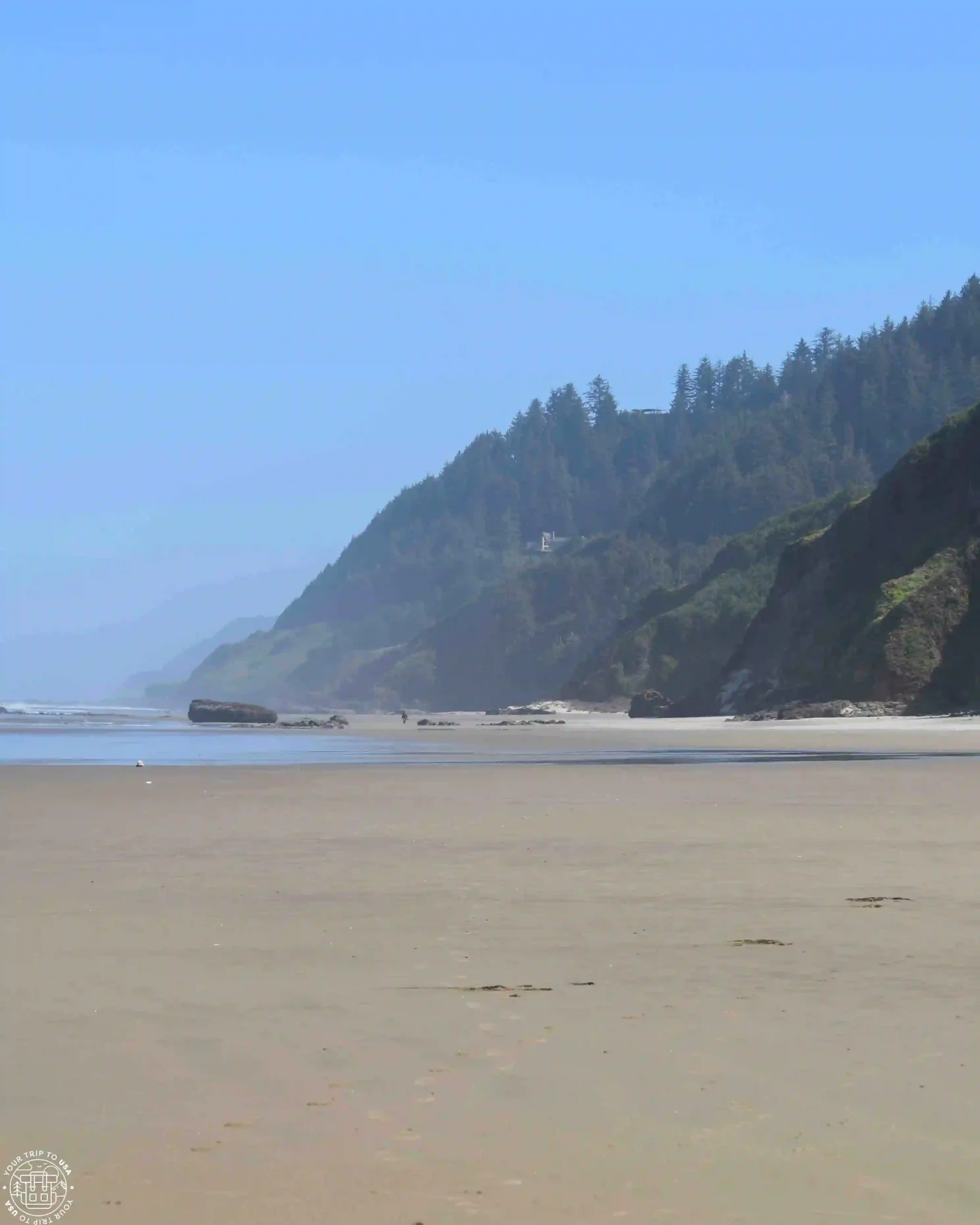
We recommend leaving Crescent City early to make the most of the day, as you have a 181 miles (290 km) drive ahead of you to Florence, where we recommend spending the night. You will be traveling along one of the most beautiful roads in the state of Oregon, which runs along its dramatic coastline full of cliffs, lighthouses, beaches, and wildlife.
Some of the highlights you shouldn't miss are the views from Cape Ferrelo, Natural Bridge Viewpoint, and Arch Rock Viewpoint; exploring Arya's Beach, Sisters Rock State Park, and Coquille Point. To end the day, relax on the shore of Hall Lake surrounded by dunes, as it belongs to the Oregon Dunes National Recreation Area. If you want to know more about all these spots, check out our post Things to Do on the Oregon coast.
Day 10: From Florence to Newport
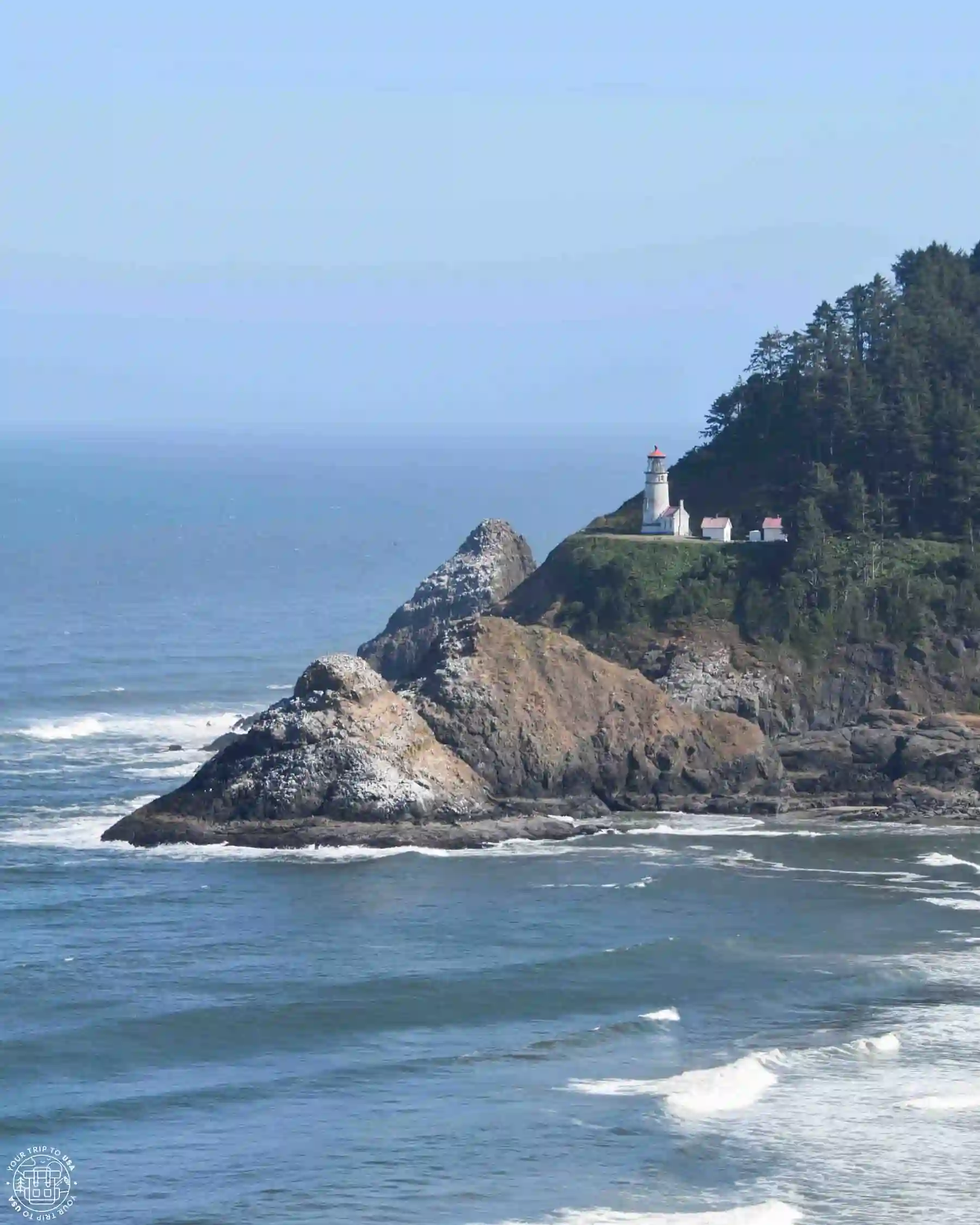
Today there aren't as many miles to drive, only 50 (80 km), but the places you'll visit will take longer than yesterday. Start the day by stopping at Darlingtonia State Natural Site to discover these strange carnivorous plants; continue on to Heceta Head Light to enjoy the views; walk along Ocean Beach; marvel at the power of the ocean at Thor's Well, Spouting Horn, and Devils Churn; discover all that Yaquina Head Outstanding Natural Area has to offer; and end the day at Devil's Punchbowl.
To discover all the secrets of this part of the United States, we encourage you to read our article on Things to Do on the Oregon coast.
Day 11: Silver Falls State Park
- Distance: 162 miles (260 km)
- Duration: 3 hours and 30 minutes
- Where to stay: We recommend staying in the city of Portland, specifically at My Place Hotel-Portland East.
- Please note: Access to the park is free, but parking is paid. The price is $10 for Oregon residents and $12 for non-residents. Tickets can be purchased at the parking meters or online.
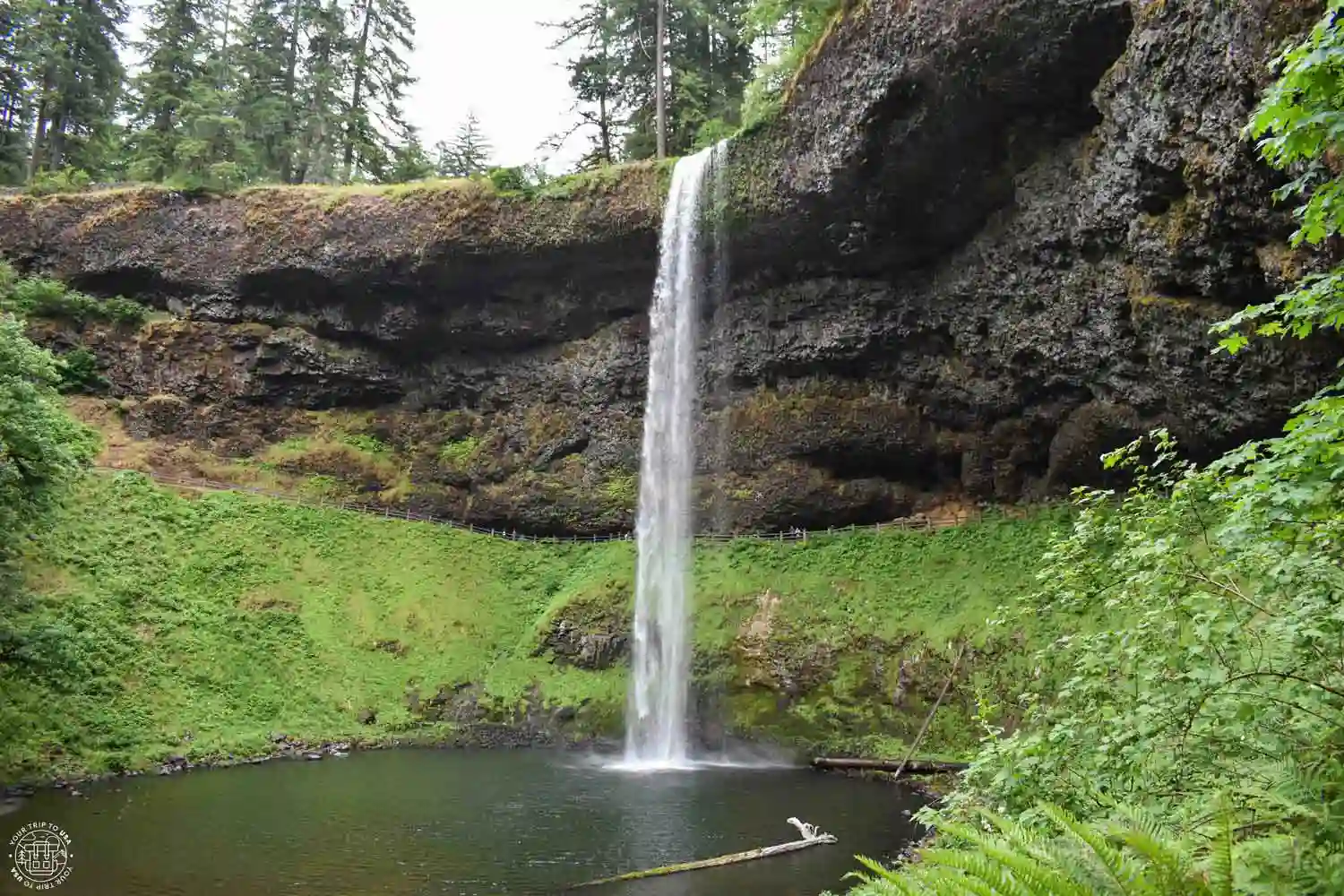
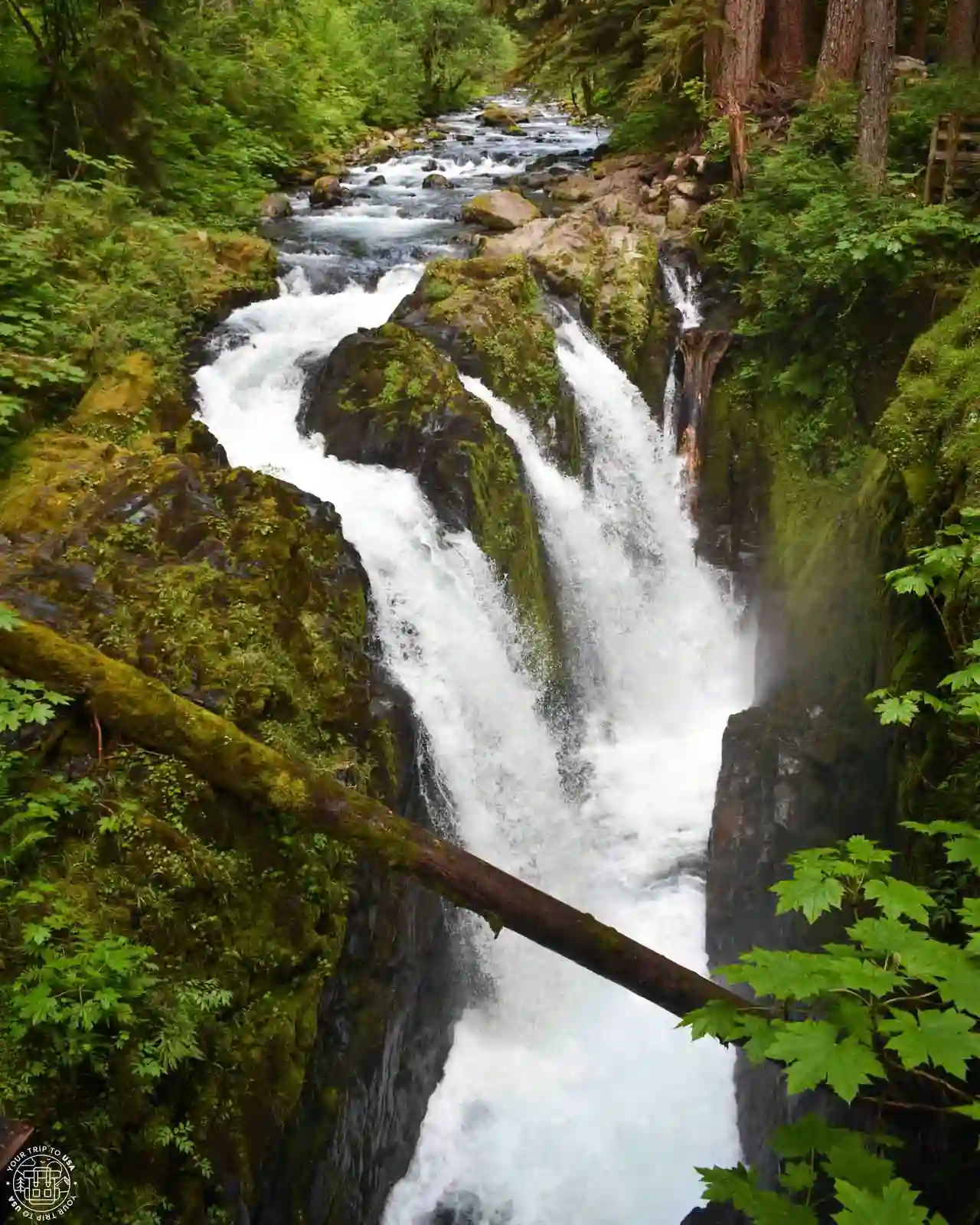
If you love waterfalls, you're going to love this day! Today we recommend visiting Silver Falls State Park, an Oregon park with up to 10 waterfalls within a few miles, all of which are open to visitors. As soon as you arrive at the park, head to the South Falls Day Use Area and park there.
If you enjoy hiking, the ideal route is the Canyon Trail or Trail of 10 Falls, an 7 miles (11.4 km) hike of moderate difficulty that takes you through a canyon in the middle of the forest with up to 10 waterfalls. You can even walk behind some of them! This hike should take no more than 3 or 4 hours, stopping at all the waterfalls.
If you don't feel like walking so far, we recommend taking the South Falls Loop, a 1.5 miles (2.5 km) hike where you can see South Falls from different perspectives and Lower South Falls. When you're done, get back in your car and drive to the North Falls parking lot. From there, it's a 5-minute walk to North Falls.
At the end of the day, head to the city of Portland to spend the night.
Days 12, 13, and 14: Olympic Peninsula
- Distance: 606 miles (970 km)
- Duration: 12 hours and 30 minutes.
- Where to stay: On the first day, we recommend spending the night in Forks, specifically at the Pacific Inn Motel. On the second day, stay in Port Angeles at the Angeles Motel.
- Please note: To access the different areas of the national park, you will need the Standard Entrance Pass ($30) or the America the Beautiful annual pass ($80 for US citizens and $250 for foreign visitors). The Dungeness National Wildlife Refuge requires a $2.50 entrance fee for four adults, which can be purchased online, or you can use the America the Beautiful pass.

🚐 The U.S. is a paradise for traveling by camper van or motorhome: there are plenty of campgrounds, wonderful places to stay overnight for free, and amenities around every corner.
If you'd like to try this way of traveling, the United States is the place to do it!
💸 And you can save a lot of money on lodging and food!
➡️ We always book through this rental search engine because they work with all the companies and have great deals.
Day 12: Lake Quinault, Big Cedar Tree and Ruby Beach
You'd better make yourself a strong cup of coffee before you leave and get up early, because today you have a 4:45-hour drive ahead of you. Leave Portland heading north toward Washington State—today you'll start visiting the Olympic Peninsula!
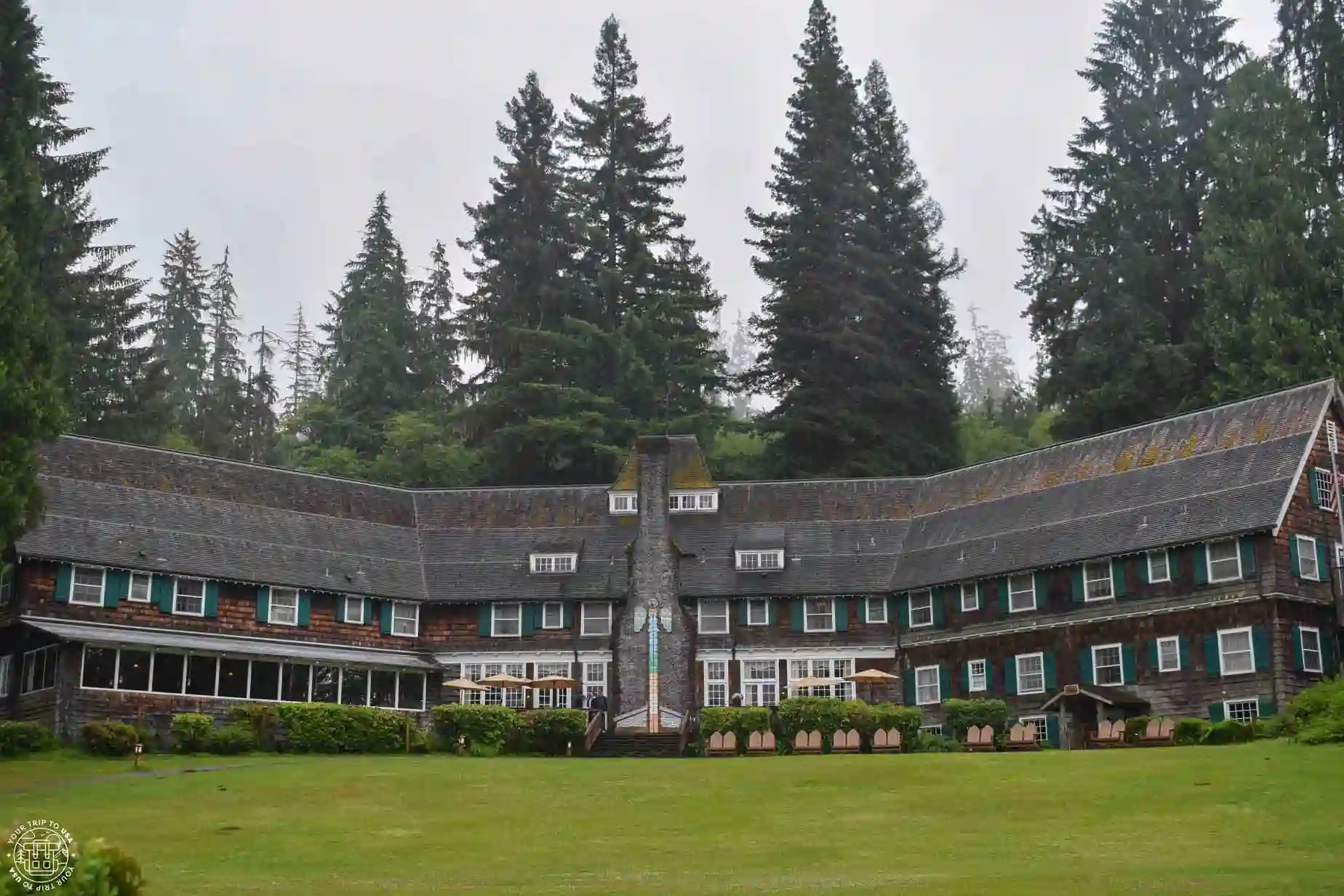
The first stop is Quinault, a small town with many attractions. Some of the things you can do here include strolling along the shore of Lake Quinault, having a drink on the terrace of the Lake Quinault Lodge, hiking the short but interesting Quinault Loop Trail through the forest, or visiting the world's largest Sikta Spruce tree—it's impressive!
The next stop we recommend is the Big Cedar Tree Recreation Site. There are many large trees in this region, but this cedar is so big that it has its own trail. What's more, you can visit it on a short walk. And to end the day, we invite you to relax at Ruby Beach. This pristine, wild beach on the Washington coast exudes serenity, but be careful with the tides if you plan to stray too far from the access point.
Day 13: Hoh Rain Forest, Rialto Beach, Sol Duc Falls and Marymere Falls
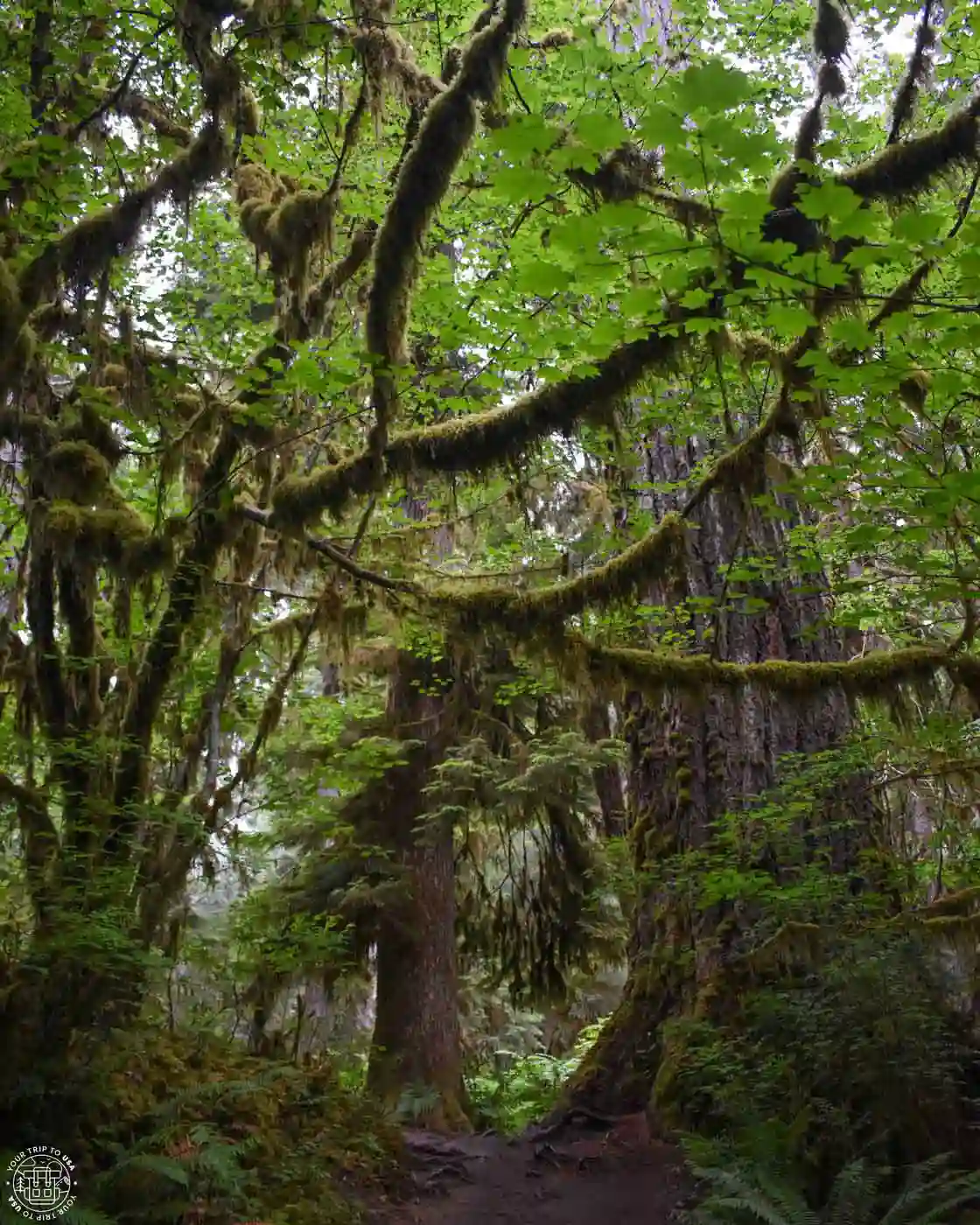
On the second day on the Olympic Peninsula, you will continue visiting monumental trees. In this case, head into the national park to the Hoh Rain Forest Visitor Center. Try to arrive early, as it is a very popular site. There, we recommend that you walk two short trails, the Hall of Moses and the Spruce Trail. You won't be disappointed!
Then head to Rialto Beach, which, although not as impressive as the previous day's beach, is ideal for taking a stroll, enjoying the views, and seeing the mouth of the Quillayute River. Next, drive to Sol Duc Hot Springs Road and park at the end of the road. There you will find the start of a pleasant trail that will take you to Sol Duc Falls (1.6 miles or 2.6 km round trip).
And to end the day, if you still have energy left, we suggest you visit Marymere Falls. The trail starts at the Lake Crescent parking lot, where you can enjoy views of the lake and the bucolic ranger station. The hike is 2 miles (3.2 km) round trip and should take no more than an hour.
Day 14: Hurricane Ridge and Dungeness National Wildlife Refuge
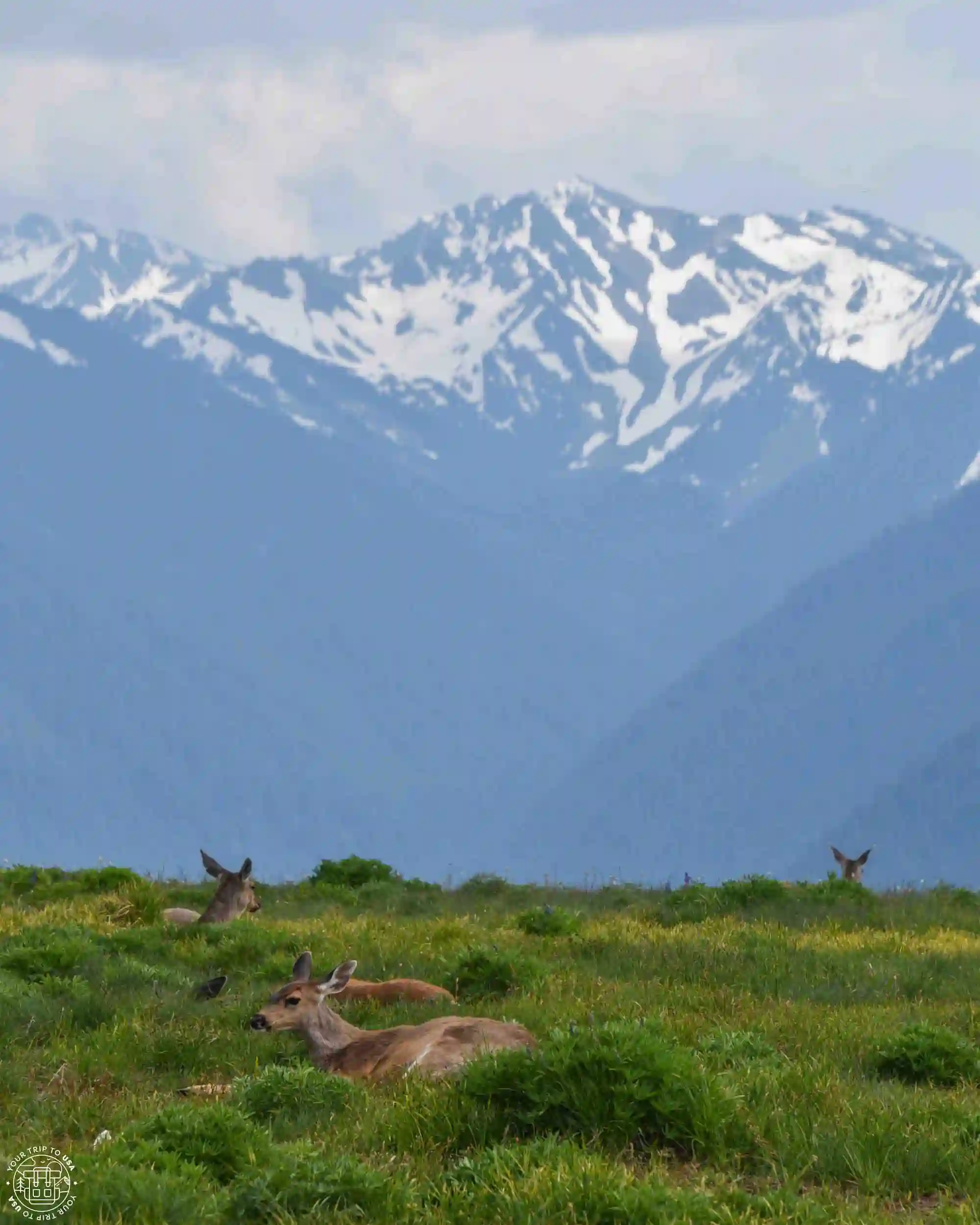
Last day of this road trip to Pacific Northwest! We recommend visiting Hurricane Ridge in the national park first. There are several short trails in this area where you can enjoy views of the surrounding mountains and valleys. If you're lucky, you might even see some of the deer that live in the area, just like we did! 🦌 Remember not to disturb or feed them.
The two most interesting trails, in our opinion, are the High Ridge Nature Trail and the Cirque Rim Nature Trail, both of which are very short (although High Ridge is quite steep). If you have time and want to explore further, you can also park in the last parking lot and hike the Hurricane Hill Nature Trail, which is 3.2 miles (5.2 km) round trip with a 656-feet (200 m) elevation gain.
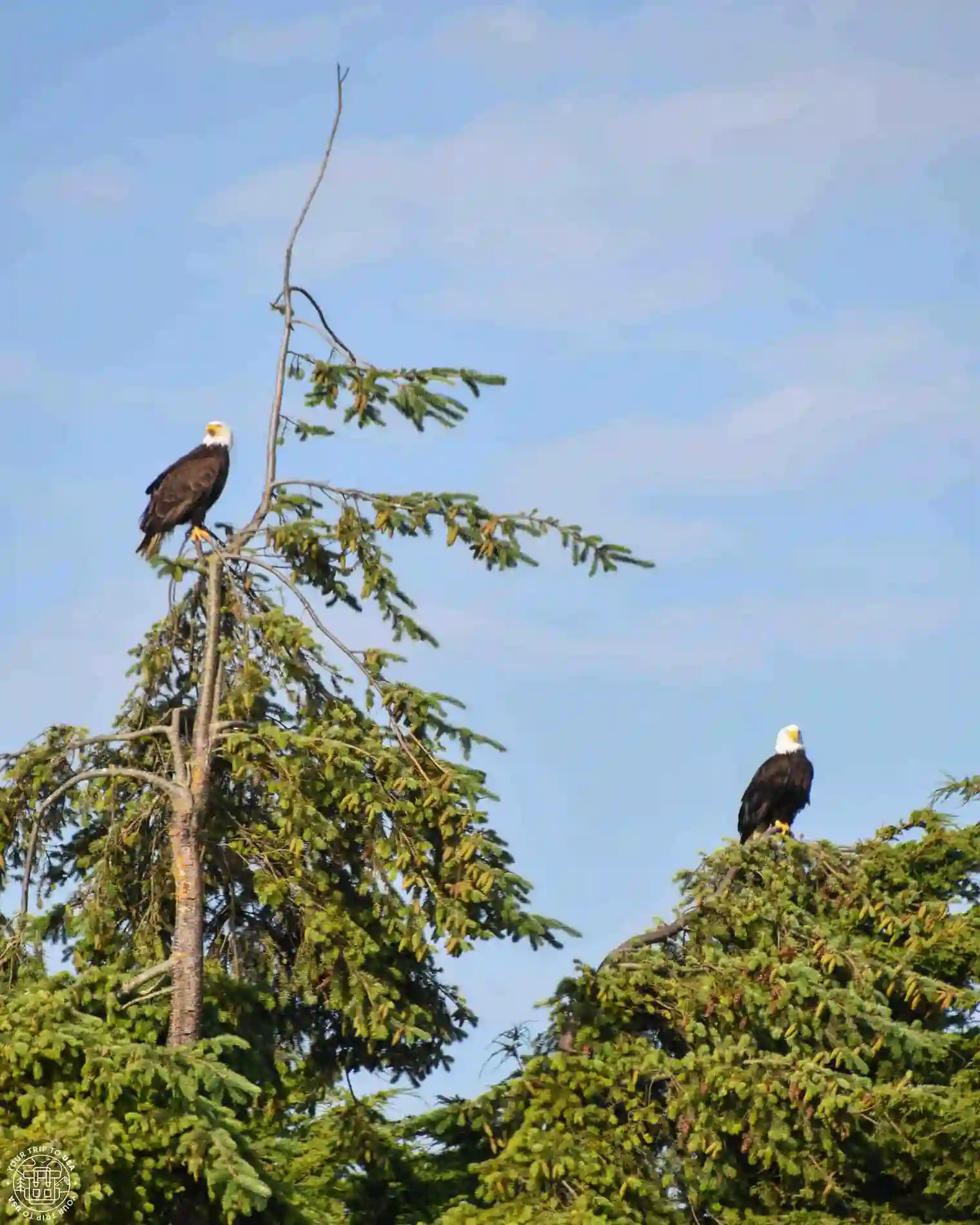
It's time to head to the next stop on your itinerary, the Dungeness National Wildlife Refuge, but don't forget to stop at the viewpoints along Hurricane Ridge Road on the way—the views are spectacular! This wildlife refuge is home to one of the largest sandbars in the world and is especially important as a refuge for migratory birds, as well as seals and salmon.
From its main viewpoint, the views of the sand spit with Mount Baker in the background are breathtaking. What's more, if access is open, you can go down to the beach and stroll along it, which is a real treat, but watch out for the huge driftwood logs!
Map of the 14-day Road Trip to Pacific Northwest
On this map, we have marked the route we have been discussing, along with our recommended accommodations. We hope you find it helpful!
FAQs about a 2-week itinerary to Pacific Northwest
Is 14 days enough time to explore the Pacific Northwest?
Yes, two weeks allow for a fairly comprehensive itinerary that combines cities, the coast, and national parks, although you’ll need to prioritize certain destinations.
What to visit on a 14-day trip through Oregon and Washington?
A typical itinerary includes the city of Seattle, Mt. Rainier, Olympic, and Crater Lake National Parks, the Oregon coast, Mt. St. Helens, Mt. Hood, and waterfall areas such as the Columbia River Gorge and Silver Falls State Park.
Where should you start your itinerary to the Pacific Northwest?
The most common starting points are Portland or Seattle, as both have international airports.
Is it necessary to rent a car for this trip?
Yes, it’s essential for exploring both Oregon and Washington, especially to access the national parks and the coast.
When is the best time to take this road trip?
Summer (June through September) is the best time due to the weather and full access to mountain areas.
Can you visit North Cascades National Park on this itinerary?
For a 14-day road trip through both states, we haven’t included this national park because it requires a significant detour; you’d need to have more days or skip some of the other places mentioned.
Is it worth including the Oregon coast in the itinerary?
Yes, it’s one of the trip’s major highlights, featuring cliffs, wild beaches, beautiful scenery, and wildlife.
Can this itinerary be combined with another state?
Yes, this route includes part of Northern California to visit Redwood National Park, though if you have more days, you can also include Lassen Volcanic National Park.
And that concludes our Pacific Northwest Road Trip. We hope you enjoy it as much as we did!