


Where to stay in Washington
If you are planning a trip to the Pacific Northwest of the United States, you will be looking for accommodation in Washington. On any route through this state, you will need to stay in Seattle, Mount Rainier, Olympic Peninsula, San Juan Islands, or Yakima Valley. That is why we have selected five accommodations that stand out for their good value for money in these five destinations. We hope you find this helpful.
What to Do in Washington
Below, we show you the best places to see in Washington state, with a detailed map with all the sights, so you don't miss a thing!
Falls Creek Falls
These beautiful waterfalls in the Gifford Pinchot National Forest are located halfway between the Columbia River and Mount St. Helens National Volcanic Monument. It is an easy hike of about 3.5 miles (6 km) round trip (Route 152A) or 6 miles (10 km) if you do the entire loop (Route 152).
The waterfalls consist of a triple drop with a total height of 335-foot (102 meters) and are surrounded by forest, making the hike a delight. Parking costs $5 if you don't have an annual national park pass (America the Beautiful).

DO YOU NEED A RENTAL CAR IN THE UNITED STATES?
Take a look at this search tool and get the best price!
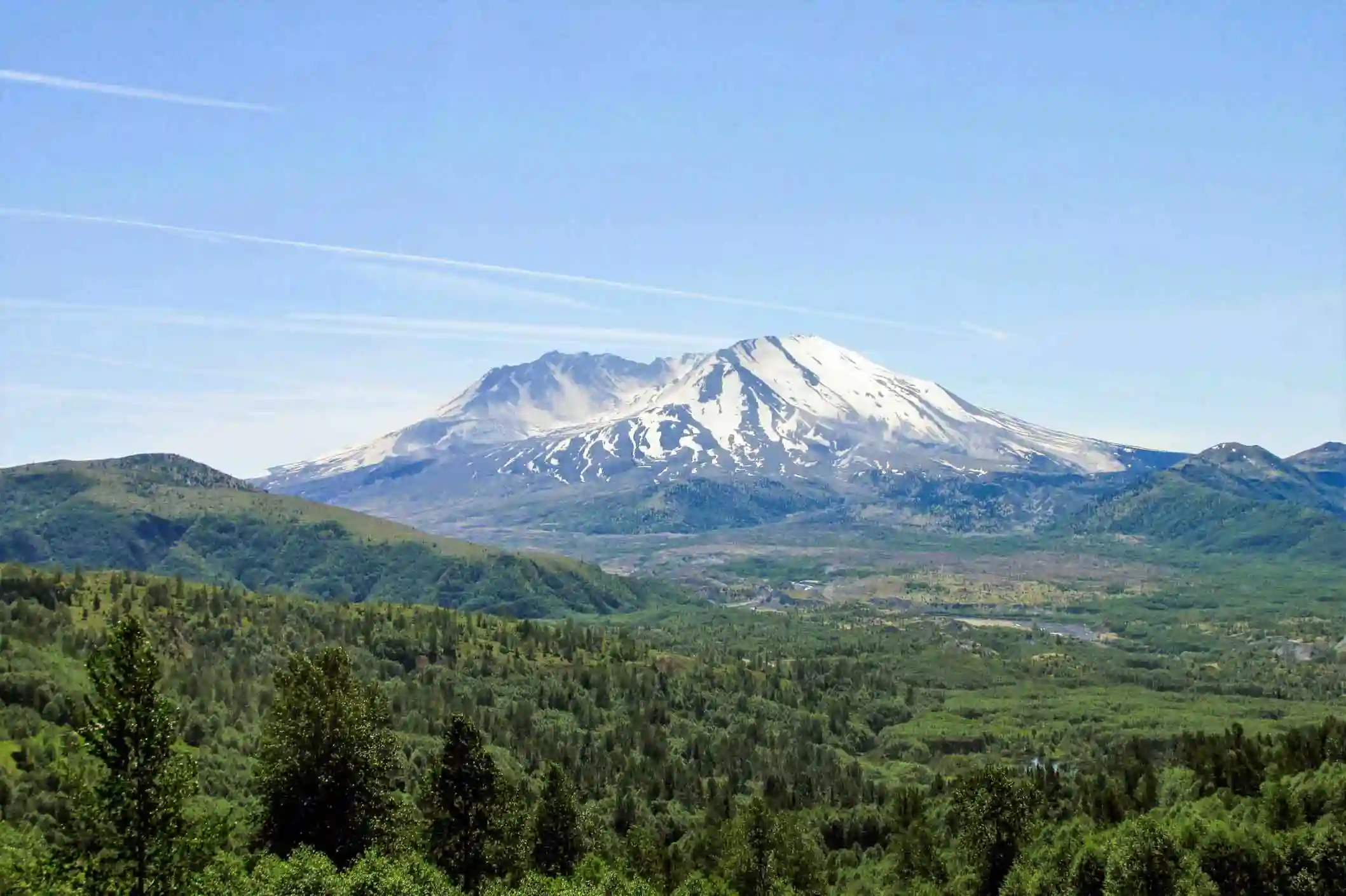
Mount St. Helens National Volcanic Monument
This national monument was created in 1982 to protect and commemorate the destructive eruption of Mount St. Helens in May 1980. It is also part of the Gifford Pinchot National Forest and now has trails, viewpoints, visitor centers, campgrounds, and picnic areas that are ideal for visiting the area and learning a little about volcanoes.
The park has two visitor centers, the Mount St. Helens Visitor Center at Silver Lake and the Science and Learning Center at Coldwater, and an observatory, the Johnston Ridge Observatory (currently closed). It is divided into three areas, north, south, and east, and you will need at least one day for each. The daily pass costs $5 per vehicle, although it is included in the America the Beautiful annual national park pass.
The northern area is the most accessible of all and where you will find the main viewpoints and visitor centers such as Johnston Ridge and Coldwater. The southern area is ideal for trekking, discovering caves and canyons, and climbing to the top of the volcano. And the eastern area is best for visiting Spirit Lake and getting an idea of the magnitude of the eruption. If you plan to visit this park, we recommend the Mount Helen's Institute website.
The 1980 eruption is considered the worst in US history, killing 57 people, including the volcanologist who was monitoring and studying the volcano at the time, and causing the largest avalanche ever recorded. But don't worry, it's completely safe now! 😅
Due to the earthquake and subsequent eruption, which reached an altitude of 15 miles (24 km), the northern part of the volcano collapsed completely, partially covering Spirit Lake and generating a 590-feet-high (180 m) wave. It also generated large lahars and sediment flows that reached the Columbia River.
Palouse Falls State Park
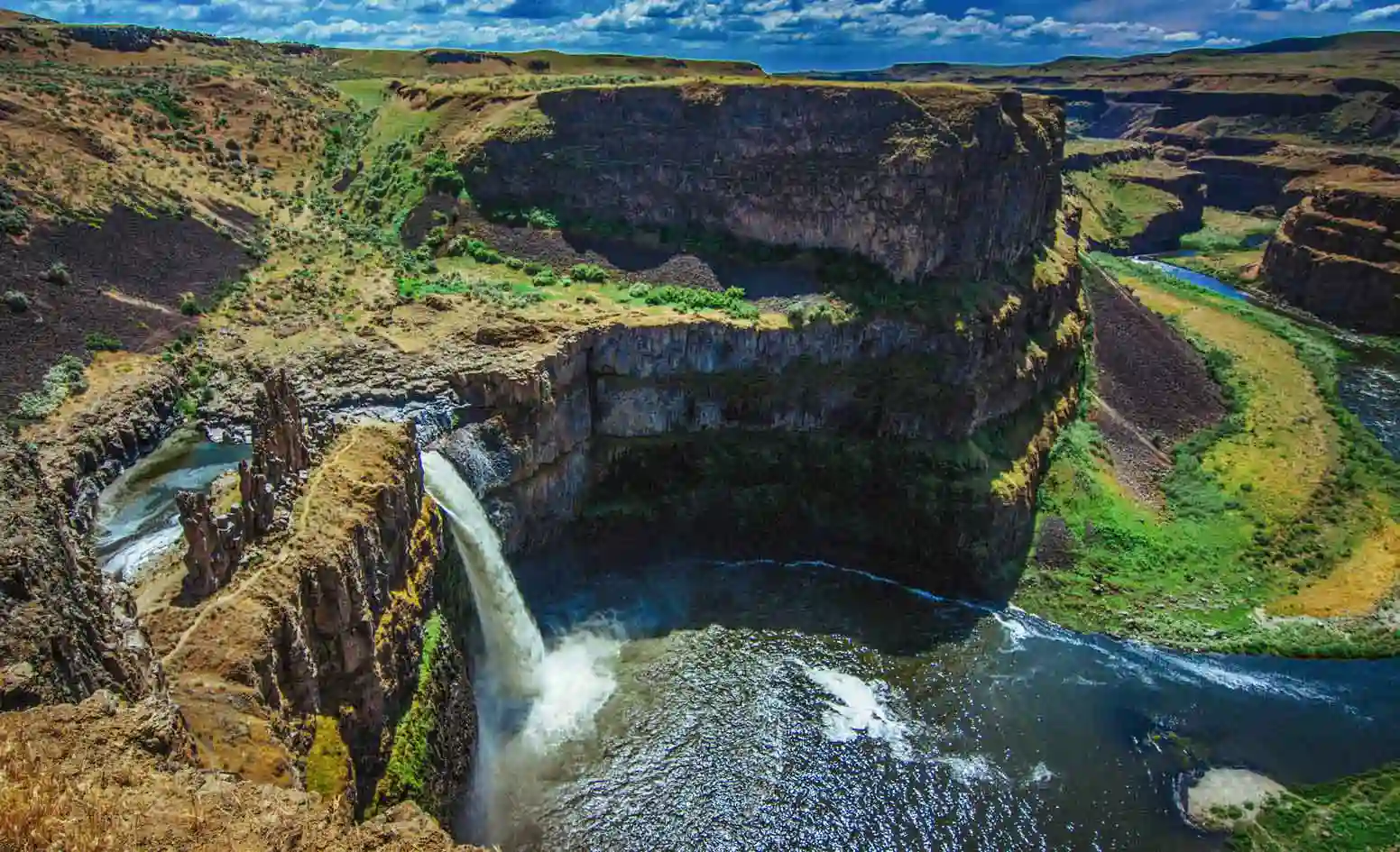
Palouse Falls are impressive waterfalls in eastern Washington. At 200-foot (61 m) high, their powerful flow and location in the middle of a glacial canyon make them one of the best places to see in Washington state.
To protect them, the Palouse Falls State Park Heritage Site was created, and you will need an $11.50 pass per vehicle to visit it, the Discover Pass, or the Washington State Annual Park Pass ($50). This daily pass can be purchased on site with a credit/debit card or cash, or online.
Mount Rainier National Park
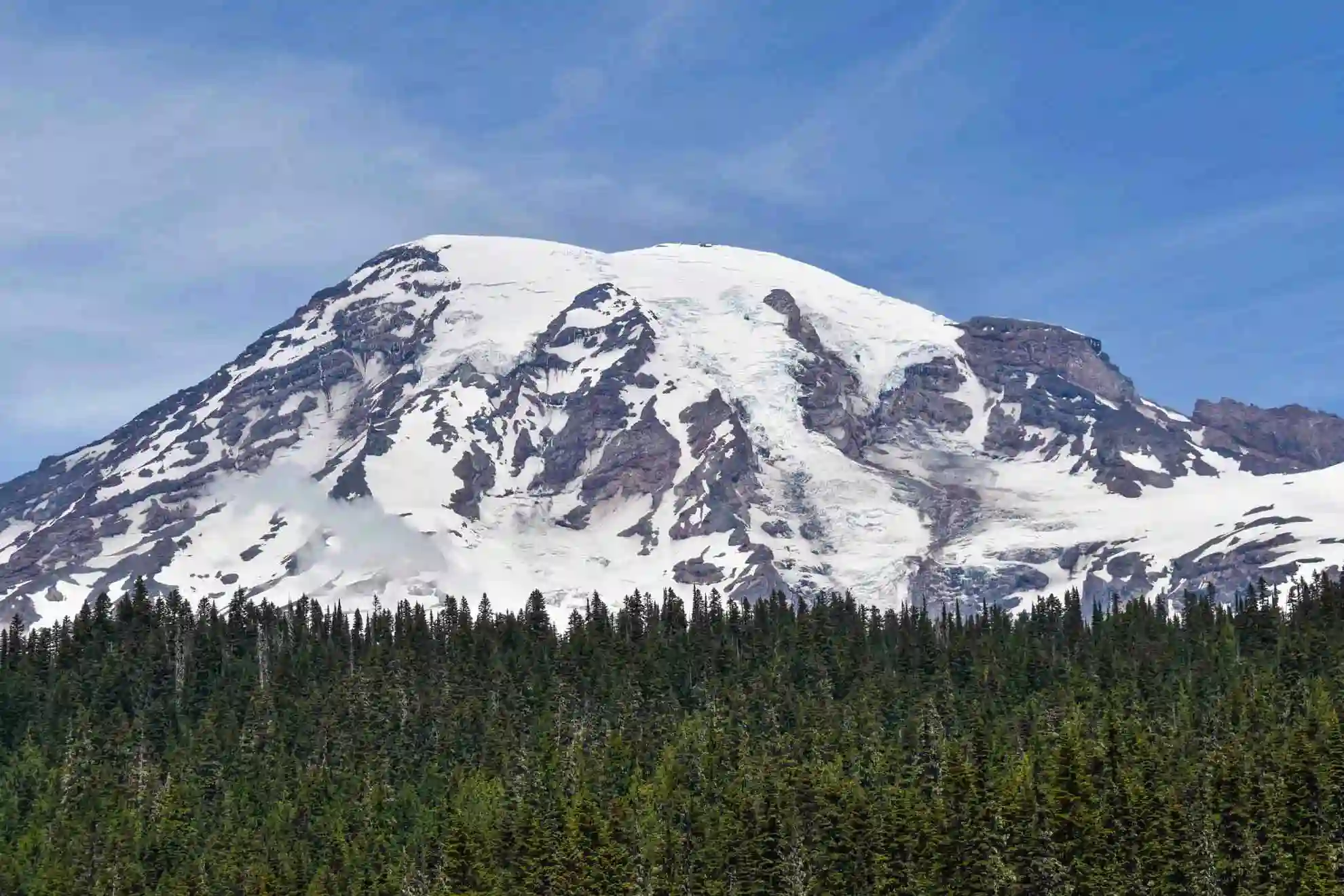
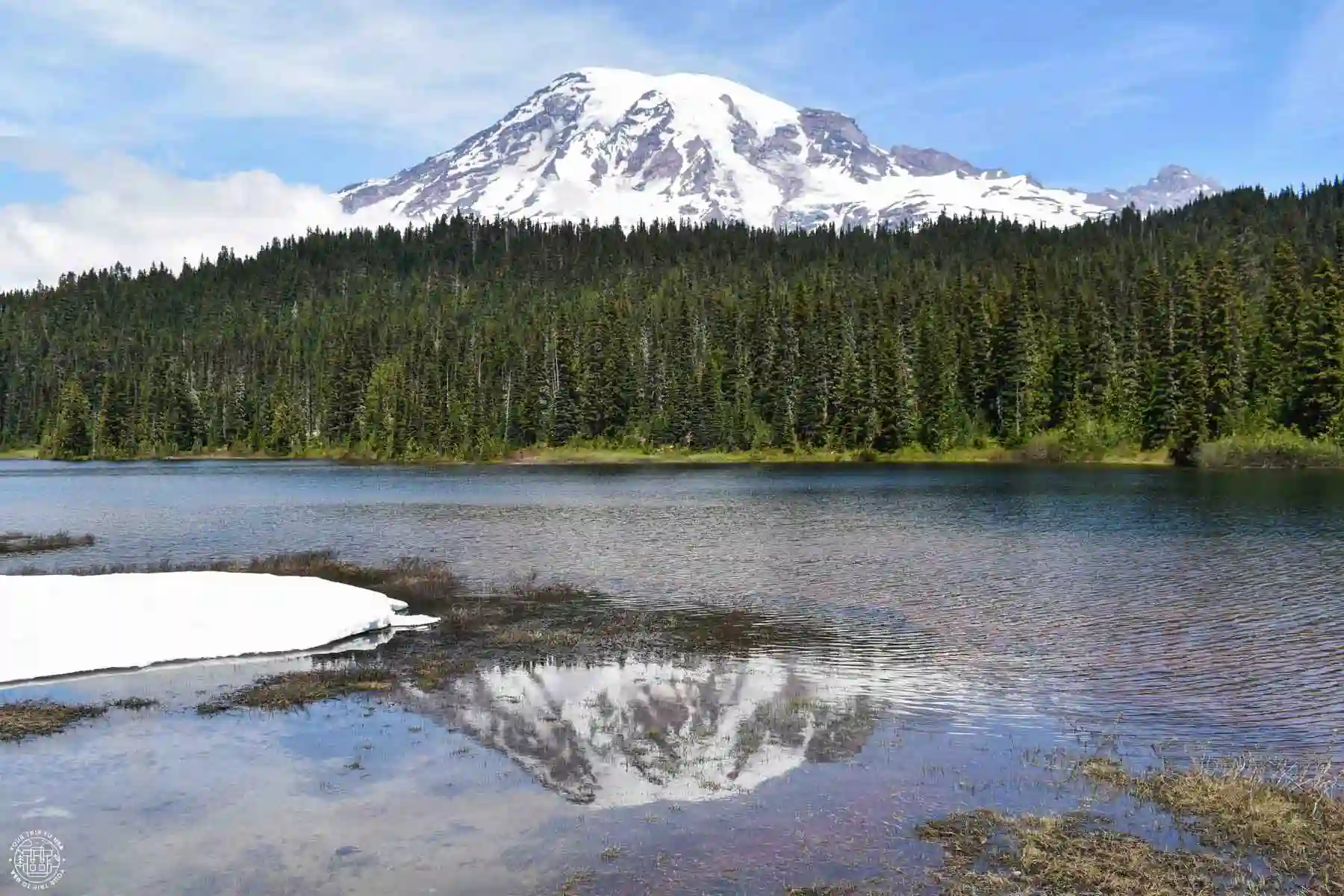
Mount Rainier, at 14,410 feet (4,390 m), is the highest mountain in Washington State and the most prominent in the continuous United States. There are up to 25 glaciers on its slopes, and although it may not seem like it, it is an active volcano. Due to its proximity to many towns, including Seattle, and the lahars that could be triggered in the event of an eruption, it is considered one of the most dangerous volcanoes in the world.
Mount Rainier is a very diverse park, where you can find alpine fauna and flora, lakes, primary forests, rivers, waterfalls, glaciers, alpine meadows, deep valleys, and, of course, unbeatable views of the volcano itself. One of the most popular activities is hiking, as there are many marked trails in different areas of the park, ranging from short walks to multi-day treks. You can check the status of all of them on the website.
The park is divided into five distinct areas: Longmire, Ohanapecosh, Sunrise, Carbon River & Mowich, and Paradise, the latter being the most popular. If you plan to visit in winter, you should know that the only road open is from Longmire to Paradise, and even this may be closed due to snow or avalanche risk. Check road conditions on the website before visiting and remember that snow chains are mandatory from November 1 to May 1.
In our article, What to See in Mount Rainier National Park in One Day (coming soon), you'll find all our tips for making the most of your time in this natural wonder.
Olympic Peninsula
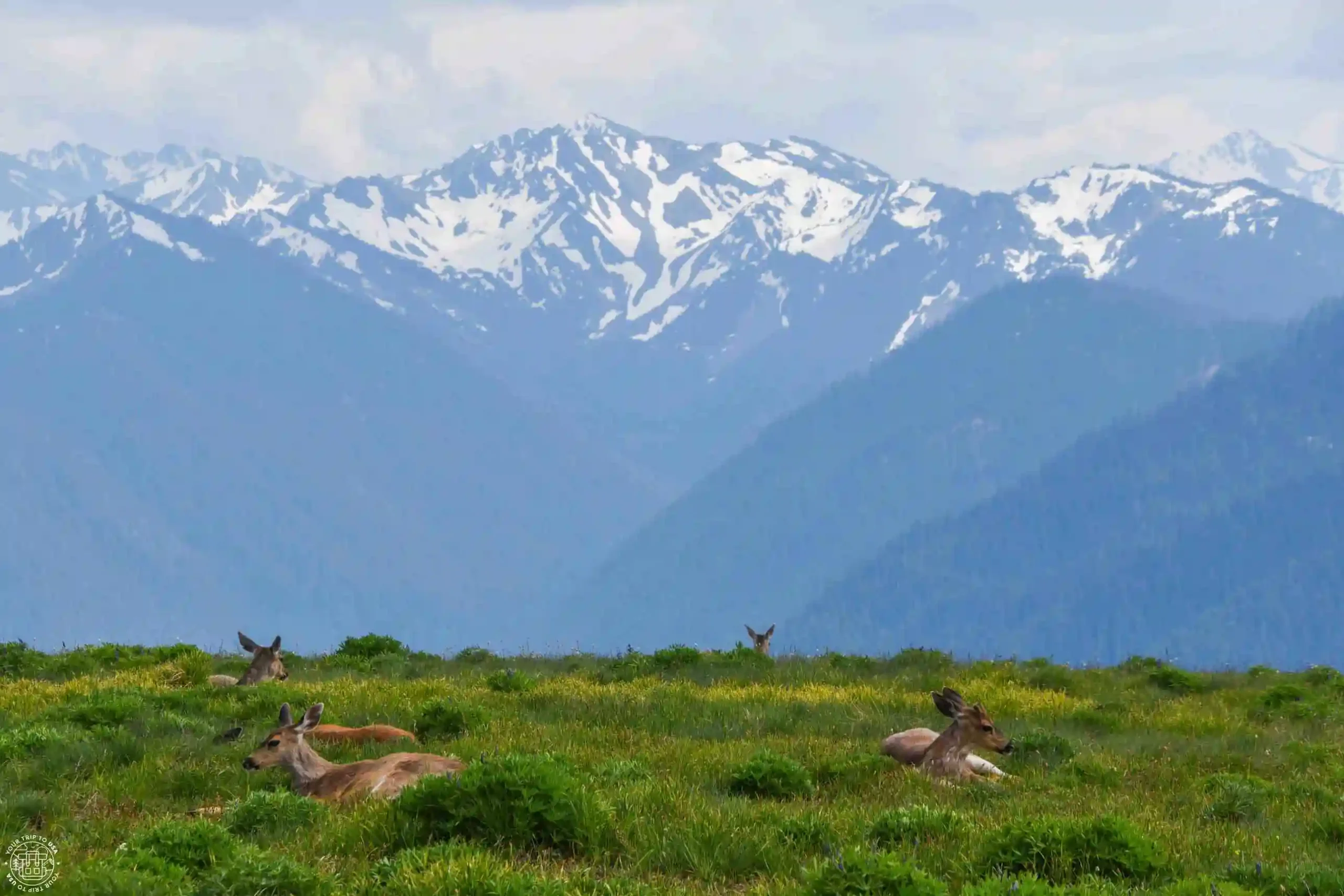
The Olympic Peninsula is a must-see on any route through Washington State and the most wonderful place in the entire state. It's home to an incredible diversity of fauna, flora, and landscapes. From wild beaches on the Pacific coast to snow-capped peaks over 7,000 feet (2,000 m) high.
Some of the region's most iconic animals include wild salmon, humpback whales, orcas, deer, wolves, bears, and bald eagles. In addition, to protect all of this, there are countless state parks, the Olympic National Forest, Olympic National Park, and two Native American reservations.
In our guide to the Olympic Peninsula (coming soon), we provide you with all the information you need to plan your visit to this special place.
Snoqualmie Falls
The famous waterfalls from the television series Twin Peaks are located in Washington State. At 270 foot (82 m) high and just 28 miles (45 km) from downtown Seattle, they are one of the most visited sites in the area. From the parking lots, you can access two viewpoints, one panoramic and the other at the bottom of the falls.

INTERNET IN THE UNITED STATES
We have 2 discounts for you:
-3 FREE days with eSIMFlag ➡️ Unlimited data at the best price! Code: TRIPTOUSA10
-10% OFF with SimLocal ➡️ Best deal with limited data! Discount applied automatically
🤓 Take a loot at: Best SIMs & eSIMs for traveling to the USA
Yakima Valley
If you enjoy a good wine or craft beer surrounded by fruit trees, then you should head to Yakima Valley. Located southeast of Seattle, the Yakima River Valley is one of the best wine regions in the United States, one of the world's largest producers of hops, which means there are plenty of craft breweries, and an area that produces apples, cherries, nectarines, peaches, pears, and plums.
In addition, there are many activities in the area throughout the year, from hiking, biking, and driving tours to festivals of all kinds, fishing, river walks, and more. For more information, visit their website, where you will find all their wineries, breweries, farms, local farmers' markets, and festivals.

Take a look to this travel insurance for the United States comparison in case you need to book one
Seattle
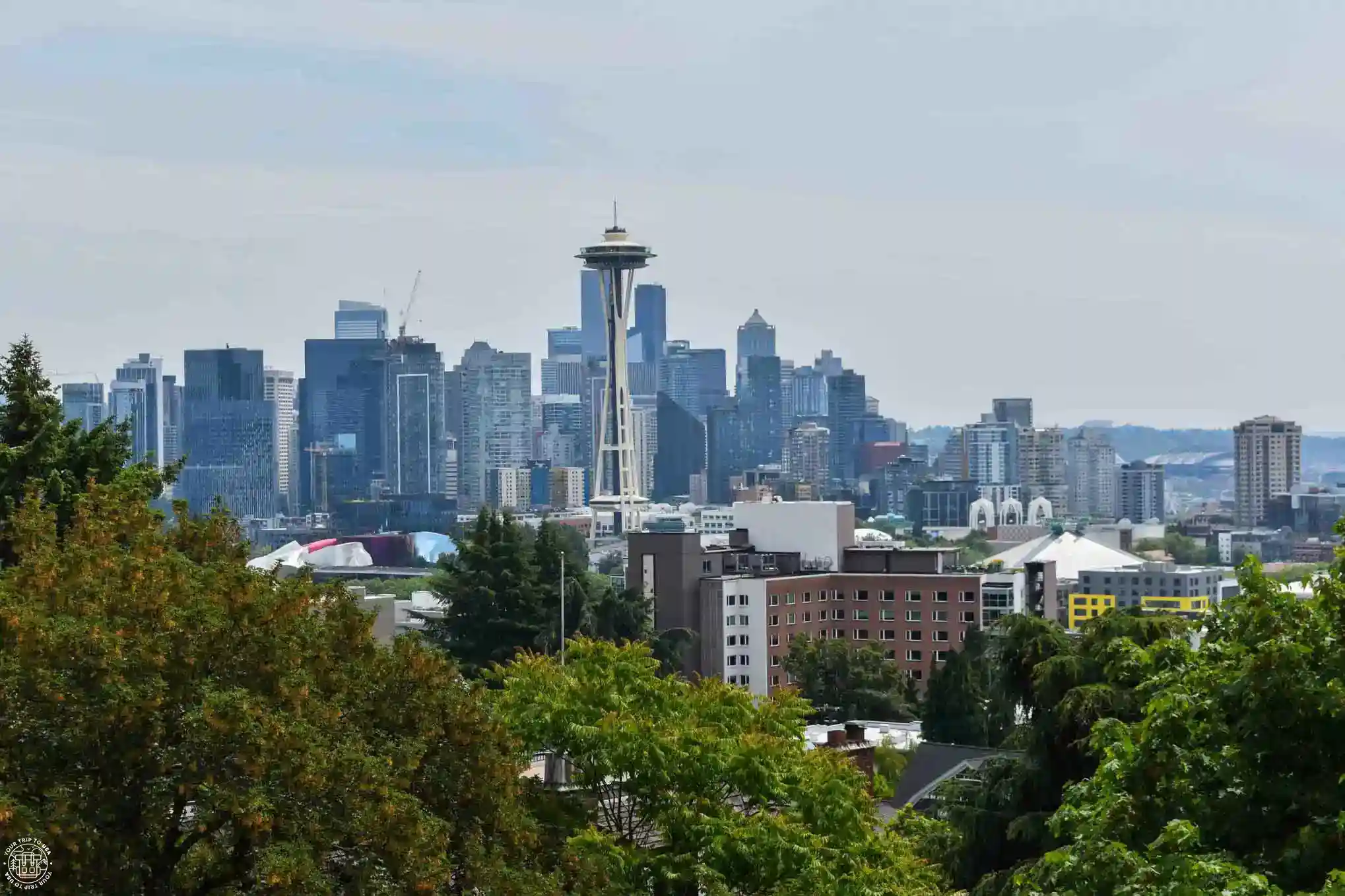
Seattle is a vibrant, dynamic city with a lot to offer in terms of culture and tourism. It is also the capital and largest city in the state. You will most likely fly to or from Seattle for any route through the states of Oregon and Washington (coming soon).
The birthplace of grunge, bands such as Nirvana and Pearl Jam formed here, among others, and it was also the birthplace of Jimi Hendrix. It is also the coffee capital of the United States; Starbucks was founded here and still has its headquarters here, along with other large companies such as Amazon, Boeing, and Microsoft.
If you are planning to visit this wonderful city, we recommend reading our article on what to see in Seattle (coming soon).
💡Recommended: Where to Stay in Seattle | Areas + Map + Hotels |
Leavenworth
It is an idyllic town 124 miles (200 km) east of Seattle, famous for its Bavarian-inspired buildings and surrounded by mountains in the Cascade Range. Several festivals are held here throughout the year, including Oktoberfest (a beer festival in the fall), Christmas Town (from late November until Christmas), the Mountain Film Festival (March), and Maifest (a spring festival in May), among others. In addition, from late November to late February, the buildings are decorated with hundreds of thousands of lights. 🎄

Find all the rental companies and the best offers on Motorhome Republic
Deception Pass State Park
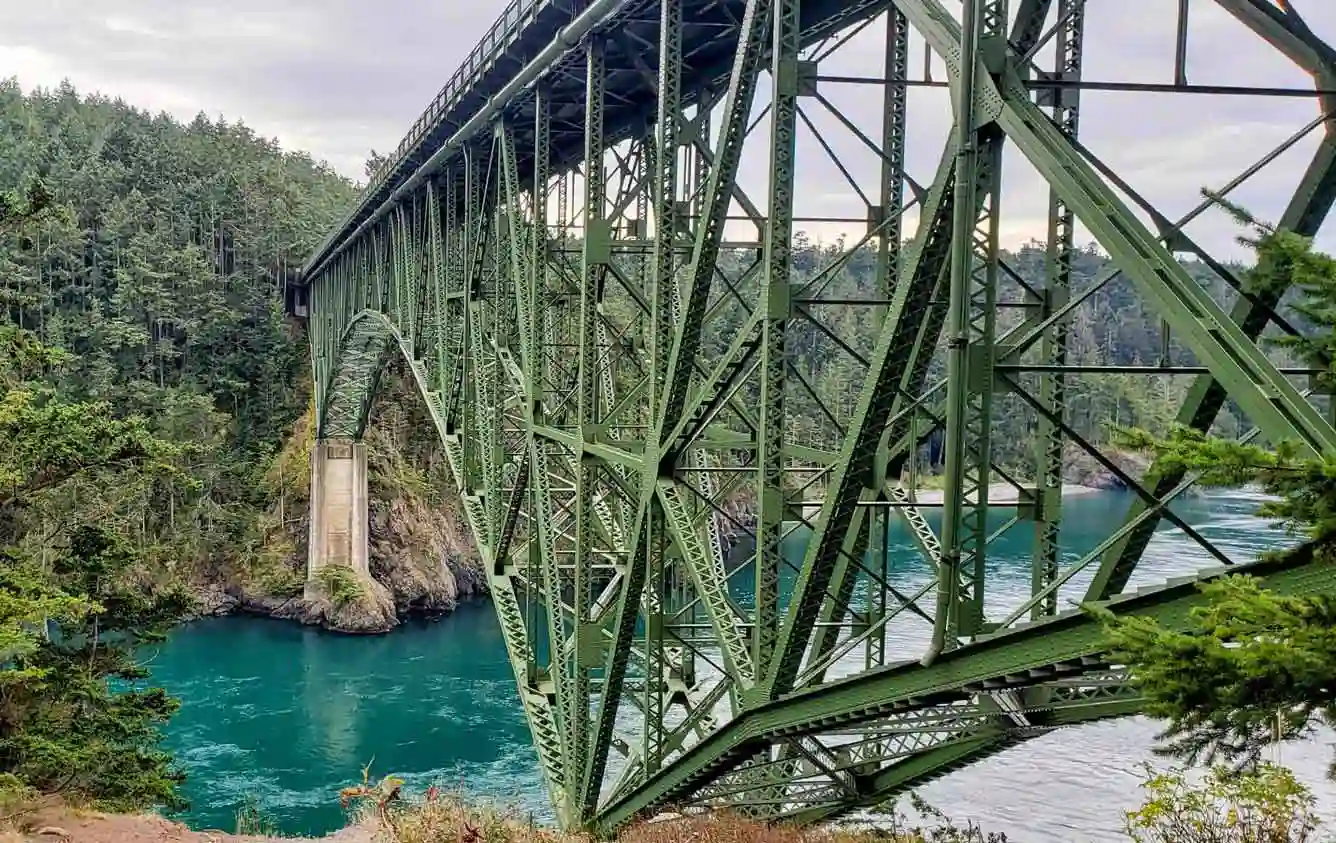
This state park, located 80 miles north of Seattle, protects 4,000 acres (1,600 ha) across nine islands between the Strait of Juan de Fuca and Skagit Bay. Most of it is located on Whidbey and Fidalgo Islands, home to its most famous landmark, the Deception Pass Bridge.
In this park, you will find more than 36 miles (60 km) of trails with a wide variety of landscapes, including mountains, cliffs, beaches, wetlands, lakes, and forests. You can explore it on foot, by bike, on horseback, or by kayak, as well as camp there.
The flora of the area includes fir trees, thujas, and Pacific redwoods. The latter are the third tallest tree species in the world, reaching heights of up to 390 foot (120 m) and living for up to 1,000 years. It is known that there are specimens in this park that are over 450 years old and even some that are up to 900 years old. The most characteristic animals in the area are whales, bald eagles, and elephant seals.
As in other Washington state parks, the daily pass costs $11.50 per vehicle and the annual pass costs $50. You can purchase it on site and pay by credit/debit card or cash, or online.
San Juan Islands
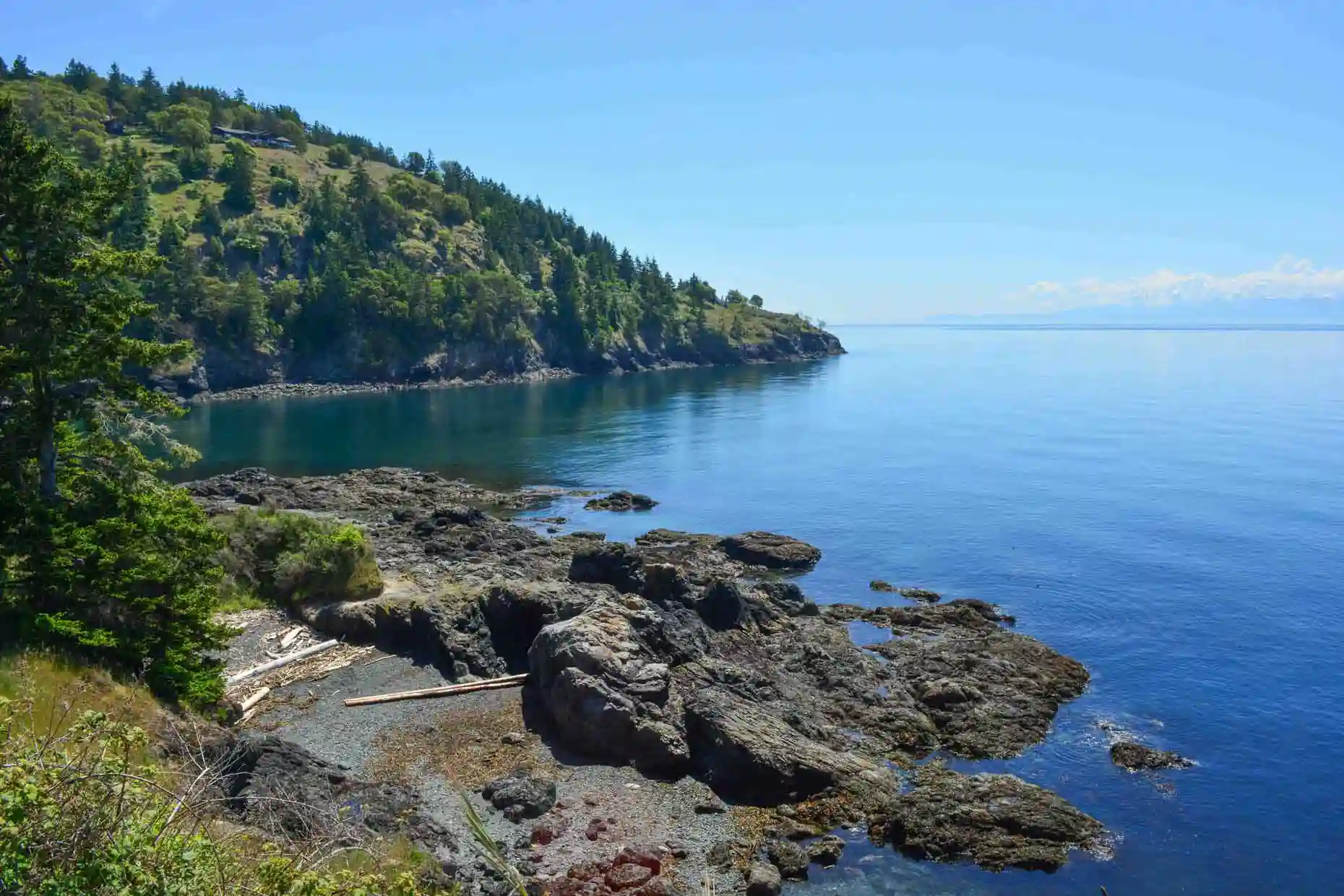
The San Juan Islands form an archipelago northwest of Washington State and border British Columbia in Canada, very close to Vancouver Island. Although there are 172 islands, only 3 of them can be accessed by regular ferry service.
It's a fantastic destination for relaxing, walking, cycling, or kayaking, and ideal for marine wildlife or bird watching.
- San Juan Island: it is the second largest island and the most populated of all. Some of the places you shouldn't miss are Friday Harbor, the Whale Museum, the San Juan Islands Sculpture Park, and Lime Kiln Point State Park, where you can see lots of marine wildlife such as cetaceans, orcas, porpoises, seals, sea lions, and bald eagles. It's also a delight to drive along its scenic routes or visit the San Juan Island National Historical Park.
- Orcas Island: quieter than the previous island, it's notable for its lush forests and lakes. We recommend climbing the observation tower at the top of Constitution Mount, where you can enjoy stunning views of the Salish Sea and snow-capped Mount Baker.
- Lopez Island: This is the quietest of the three islands and is ideal for strolling along its beaches with Mount Baker in the background, bird watching, or kayaking. If you visit this island, don't miss Spencer Spit State Park.
Whatcom Falls Park and Lake Whatcom
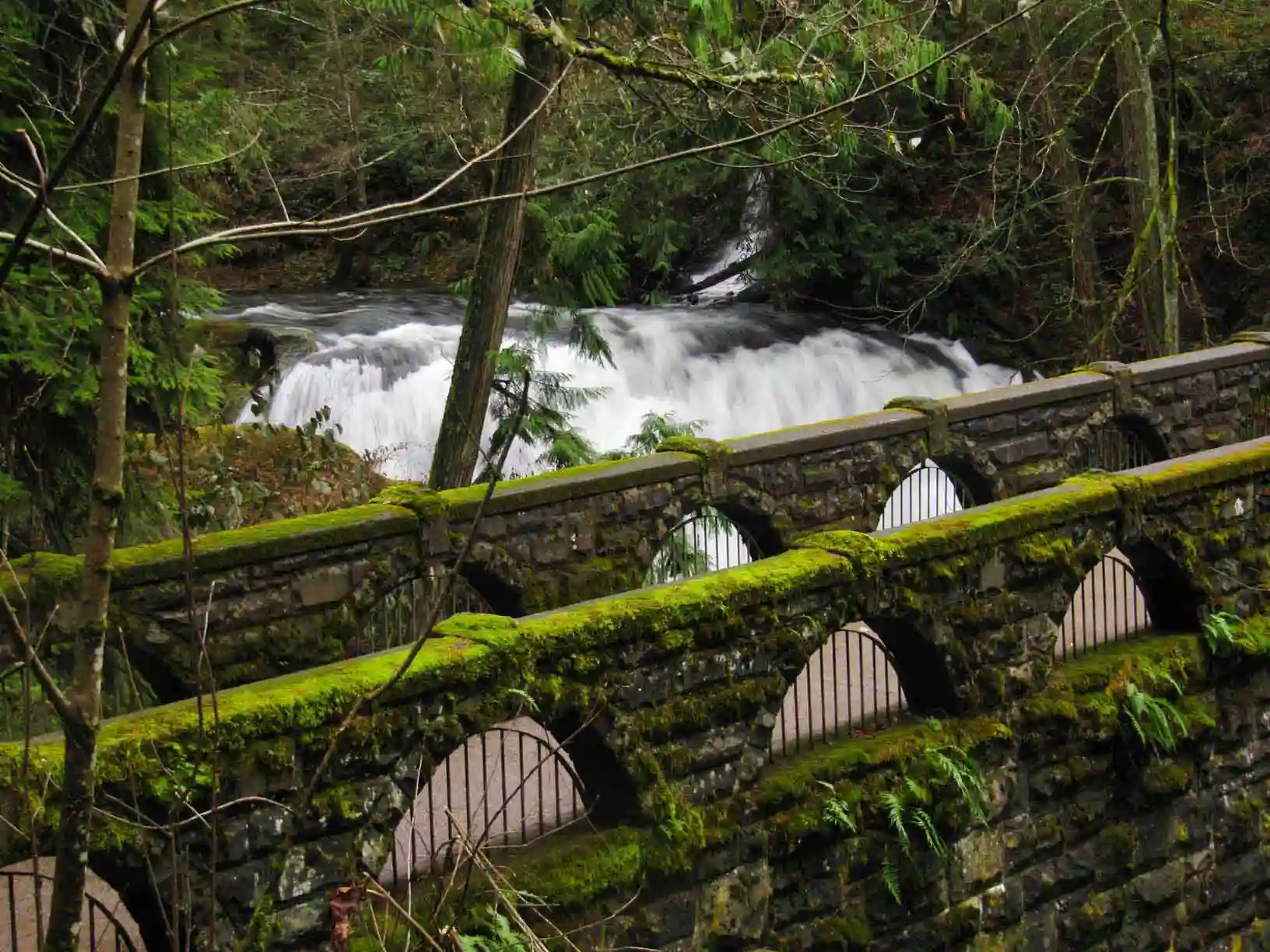
Lake Whatcom is a lake 10 miles (16 km) long and 1 mile (1.6 km) wide near the city of Bellingham. It flows through the creek of the same name into Bellingham Bay, which is part of the Salish Sea. Whatcom Falls Park was created to protect this area, which is a habitat for Chinook salmon.
In this park, you will find several trails for walking and observing the small waterfalls of Whatcom Creek, and you can even swim in some of them in the middle of summer.
Mount Baker
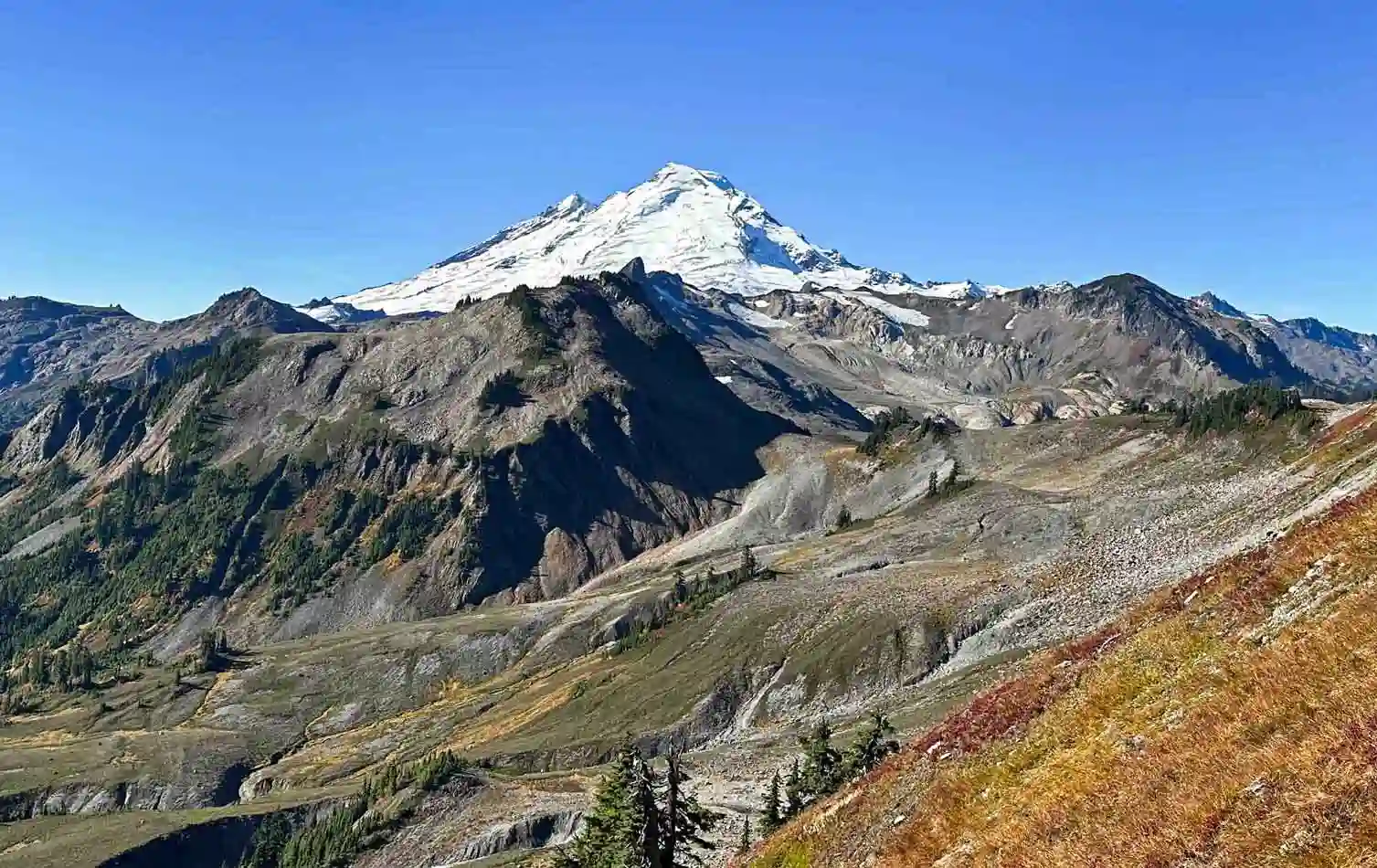
Mount Baker is an active volcano standing 10,781 ft (3,286 m) high in the Cascade Range and one of the best sights to see in Washington State. Due to its great prominence and the glaciers that form part of it, it is visible from many miles away, including Seattle, Vancouver, and the San Juan Islands. It is part of the Snoqualmie National Forest, a protected area of more than 3,5 million acres (14,500 km2) east of Seattle.
The best way to discover Mount Baker is to drive along Mount Baker Highway from the outskirts of Bellingham to Artist Point. From there, you can enjoy wonderful views of the mountain and its surroundings, as well as go on one of the treks that start from the parking lot.
Keep in mind that for much of the year, due to heavy snowfall, the last 3 miles (5 km) are closed and you cannot reach Artist Point, only Mount Baker Ski Area, considered the birthplace of snowboarding.
To access this protected area, you must have a $5 daily pass per vehicle, the annual national park pass (America the Beautiful), or the Northwest Forest Pass.
North Cascades National Park
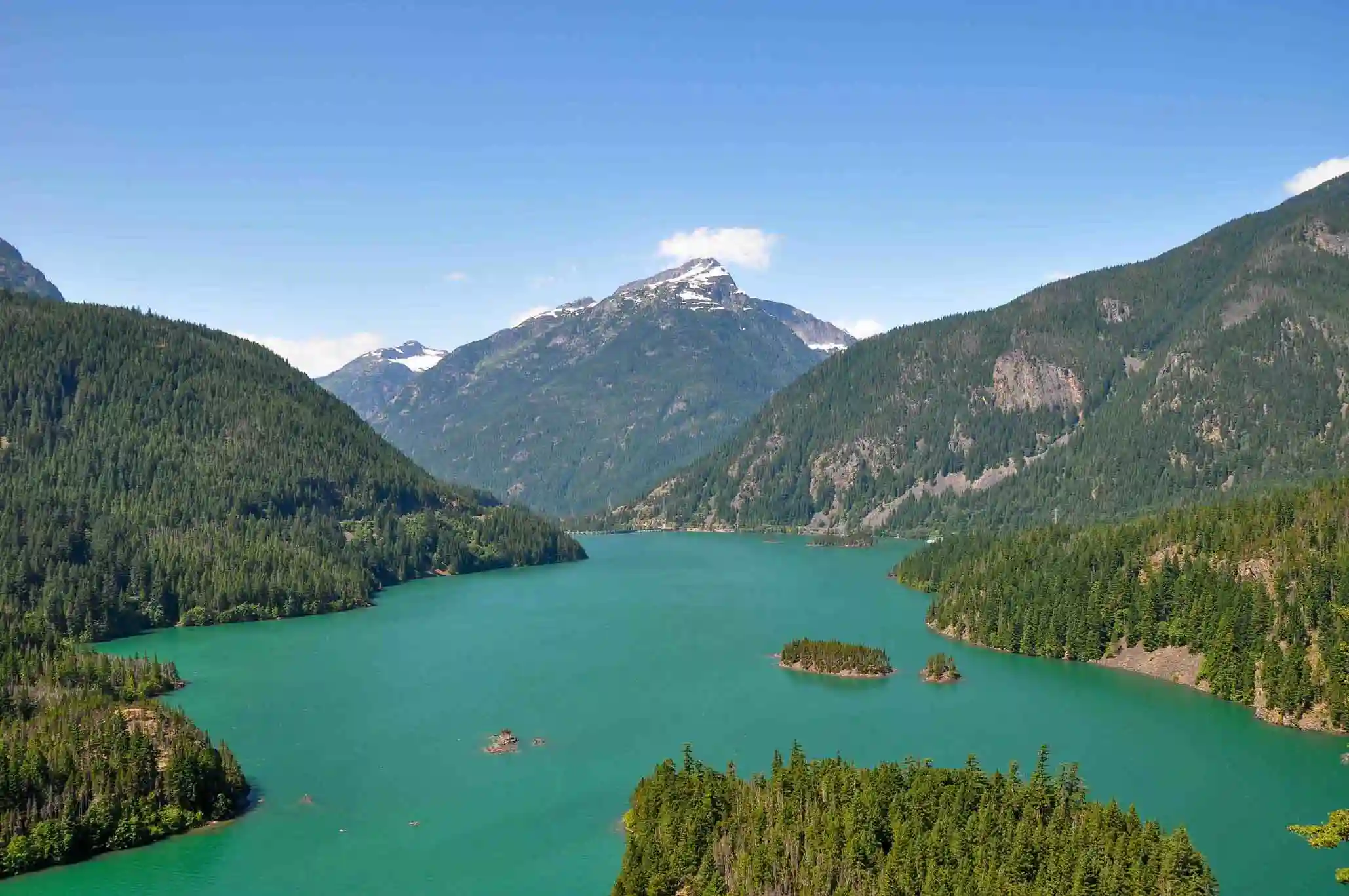
North Cascades National Park is a national park located in the northern part of the Cascade Range on the border with Canada. Comprising large forests, lakes, and mountains, it is one of the least visited national parks in the United States, largely due to the lack of infrastructure, heavy snowfall that often blocks State Route 20 during the colder months of the year, and its somewhat remote location away from large urban centers.
And it's not because the park isn't worth visiting, quite the contrary, as it's the park with the greatest diversity of flora in the entire United States and habitat for many mammals such as black bears, coyotes, bobcats, cougars, and white goats.
The most popular activities in North Cascades are hiking, camping, and kayaking. There are many trails to explore this wonderful place, from short walks of less than an hour to multi-day treks. Some of the places you shouldn't miss if you visit are Diablo Lake, Ross Lake, Rainy Pass, where you can hike to Rainy Lake, and Blue Lake.
Map of Washington
On this map, we have marked the most notable places in Washington State and our accommodation recommendations:
We hope this list of places to see in Washington state helps you plan your next trip!
North Cascades National Park: Bob Collowan - Own work, CC BY-SA 3.0, via Wikimedia Commons. Mount Baker: Jeffhollett, CC BY-SA 4.0, via Wikimedia Commons. Whatcom Falls Park: mtsvancouver from West Coast of North America (RGB2), CC BY 2.0, via Wikimedia Commons. San Juan Islands: Joe Mabel, CC BY-SA 4.0, via Wikimedia Commons. Deception Pass State Park: Lilbhugs, CC BY 4.0, via Wikimedia Commons. Mount St. Helens National Volcanic Monument: Larry Syverson from Richmond, VA, USA, CC BY-SA 2.0, via Wikimedia Commons. Palouse Falls State Park: Kid Clutch from RAIN CITY USA, CC BY 2.0, via Wikimedia Commons