


Where is Yosemite
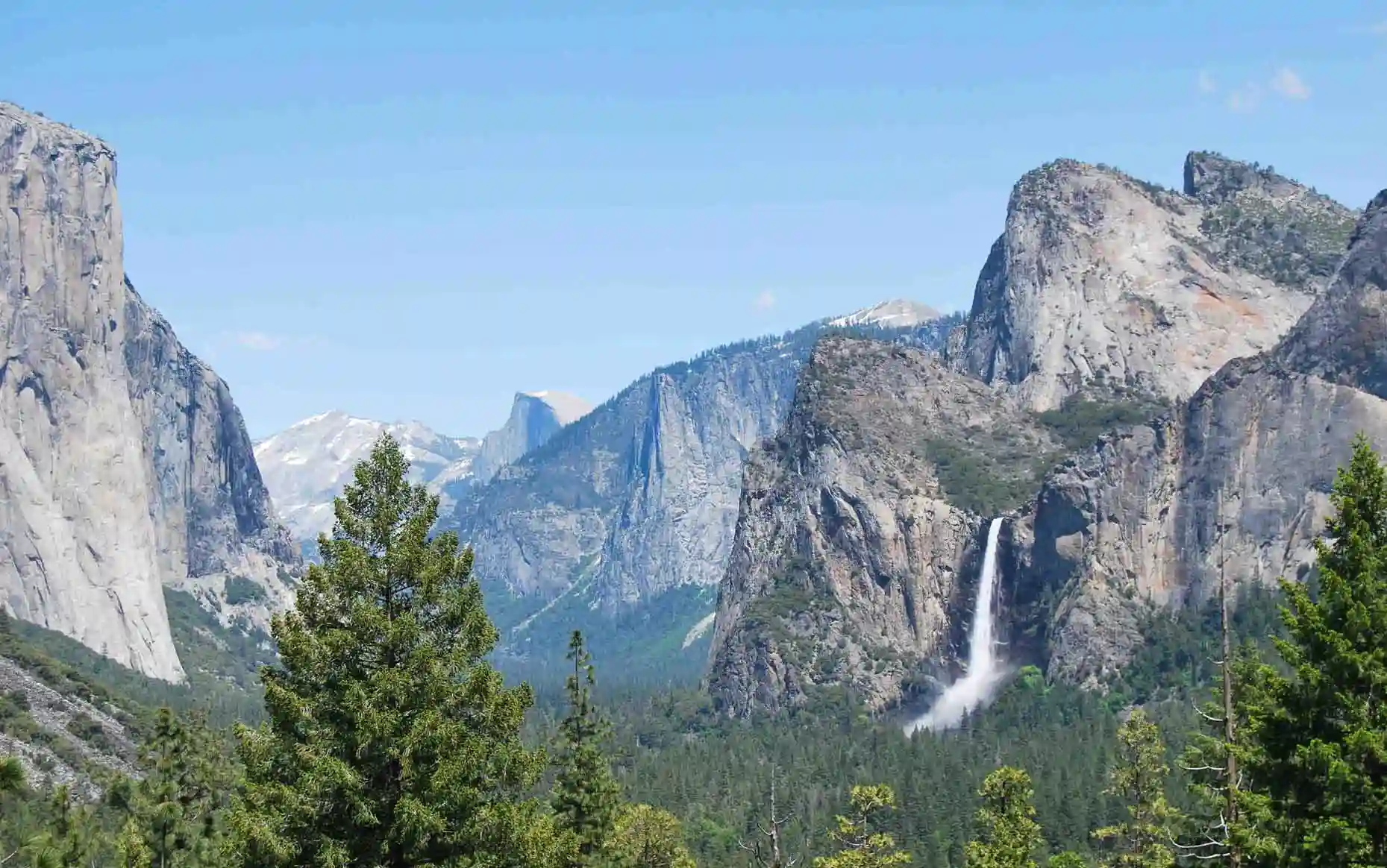
Yosemite National Park is located in the central part of California state and extends around the Sierra Nevada mountain range.
Here are the distances from the main cities surrounding the park and the main airports you can fly to visit Yosemite:
- San Francisco (northwest): 314 km or 195 mi (4 hrs). ✈️Oakland, San Francisco, and San Jose Airports.
- Sacramento (north): 230 km or 143 mi (3 hrs). ✈️Sacramento Airport.
- Reno (north): 350 km or 218 mi (3 hrs) via Tioga Road, otherwise you have to take a longer route totaling 507 km or 315 mi (4 hrs). ✈️Reno-Tahoe Airport.
- Fresno (south): 100 km or 62 mi (1.5 hrs). ✈️Fresno-Yosemite Airport.
- Mammoth Lakes (east): 170 km or 105 mi (2.5 hrs). ✈️Mammoth Yosemite Airport.
- Los Angeles (southwest): 460 km or 285 mi (5 hrs). ✈️Los Angeles Airport.
- Las Vegas (southeast): 560 km or 348 mi (7 hrs) via Tioga Road, otherwise you have to take a longer route and it becomes almost 800 km or 497 mi (9 to 10 hrs). ✈️Harry Reid Airport.
How to get to Yosemite and access points
Yosemite National Park is huge and it has five entrance gates. You'll use one or another depending on your starting point and the time of year.
The usual way to get there is by car from Sacramento in the north, San Francisco in the west, Fresno in the south (or even Los Angeles), and Mammoth Lakes in the east, but there're other transportation alternatives that we'll tell you about in this section.
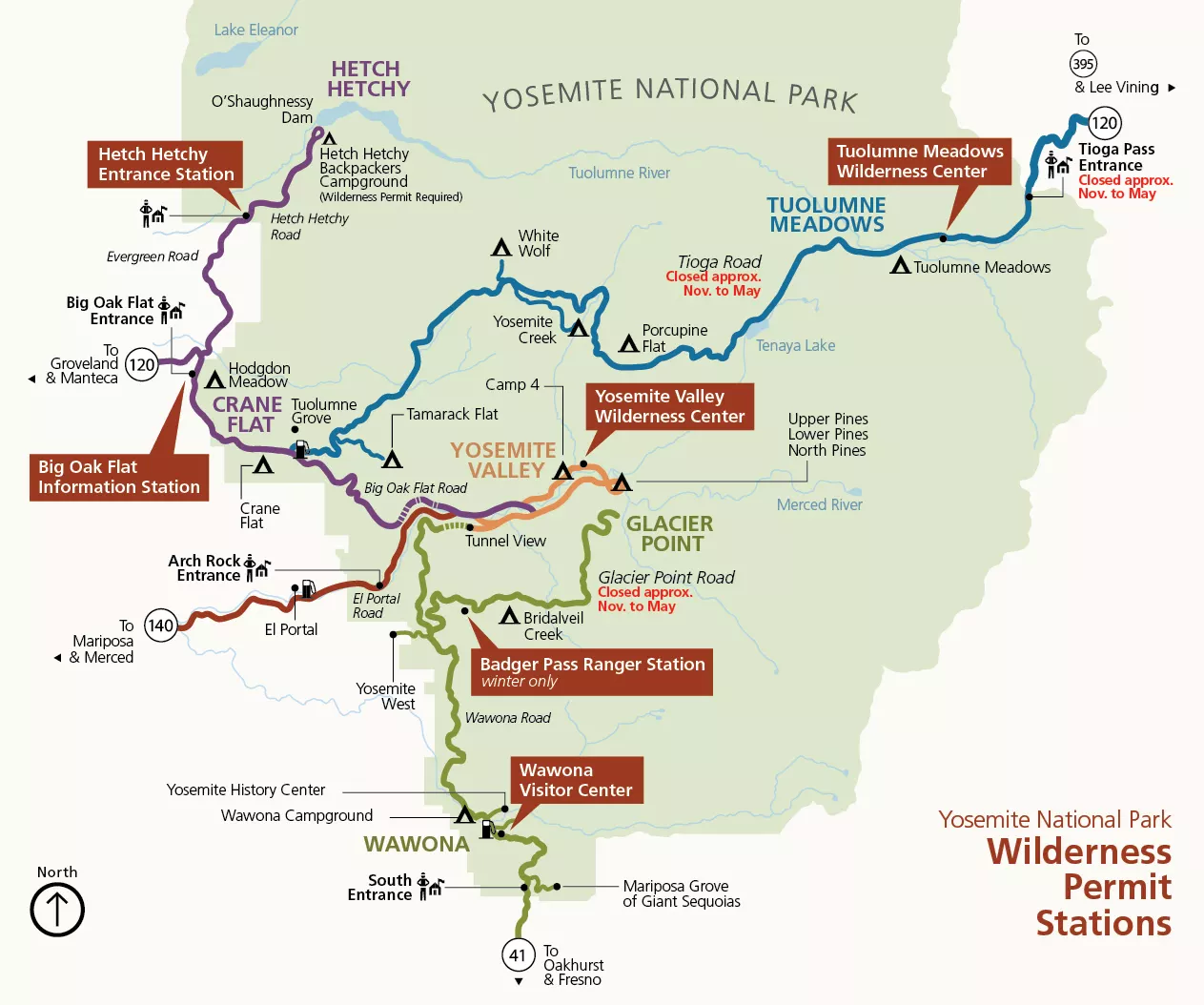
You'll find all Yosemite access points on the map below by colors, but they're as follows:
- 🟣Hetch Hetchy Entrance (north): this entrance takes you into Yosemite via Hetchy Road to explore the northwest corner of the park. It's the only entrance that's only open during daylight hours, i.e., from sunrise to sunset (the others are open 24 hours a day).
- 🟣Big Oak Flat Entrance (west): this is one of the most common entrances and the one used when coming from San Francisco, the Bay Area, and Sacramento. During summer, there's an information station.
- 🟤Arch Rock Entrance (west): this entrance leads directly into Yosemite Valley, and the access road can be reached from the picturesque town of Mariposa, following the course of the Merced River. It's the lowest-altitude entrance of all, so weather conditions don't affect it as much as the others.
- 🟢South Entrance (south): this entrance provides direct access to Mariposa Grove, the area with most sequoias in Yosemite. It's used when coming from Los Angeles and Fresno and to connect with Sequoia National Park. The Wawona Visitor Center is located nearby.
- 🔵Tioga Pass Entrance (east): the only access from the east is via Tioga Road, which is only open from June to October approximately (opening dates vary each year depending on weather conditions). The road begins in Lee Vining and passes through Tioga Pass at an altitude of 3,030 meters (9,945 feet). This access is ideal for connecting Yosemite with Death Valley, Mojave, and Las Vegas.
If you've rented an RV to travel to the USA West Coast, you should be aware that in some areas of Yosemite there're size restrictions for vehicles:
- Wawona Road: if you enter or exit through the south entrance or go to Mariposa Grove, this road has the Wawona Tunnel, which is 10 feet 2 inches high if you're going into the valley and 13 feet 6 inches high if you're exiting. The maximum length is 45 feet.
- Big Oak Flat Road: if you enter or exit via the Big Oak Flat Entrance, this road has several tunnels measuring 10 feet 3 inches from the valley and 13 feet 8 inches into the valley. The maximum length is 45 feet.
- Portal Road: if you enter or exit via the Arch Rock Entrance you'll use this road. The maximum height is 13 feet and 45 feet in length.
- Hetch Hetchy Road: if you enter via the Hetch Hetchy Entrance, take note that the maximum length is 25 feet and 8 feet wide from mirror to mirror.
- Glacier Point Road: beyond Sentinel Dome/Taft Point trailhead, there is a length restriction of 30 feet for single vehicle.
If your vehicle exceeds these measurements, you don't have a car, or you simply don't feel like driving your rental car through the park, there're other alternatives for getting to Yosemite:
- Book this 1-day tour to Yosemite from San Francisco
- Book this transfer between San Francisco and Yosemite
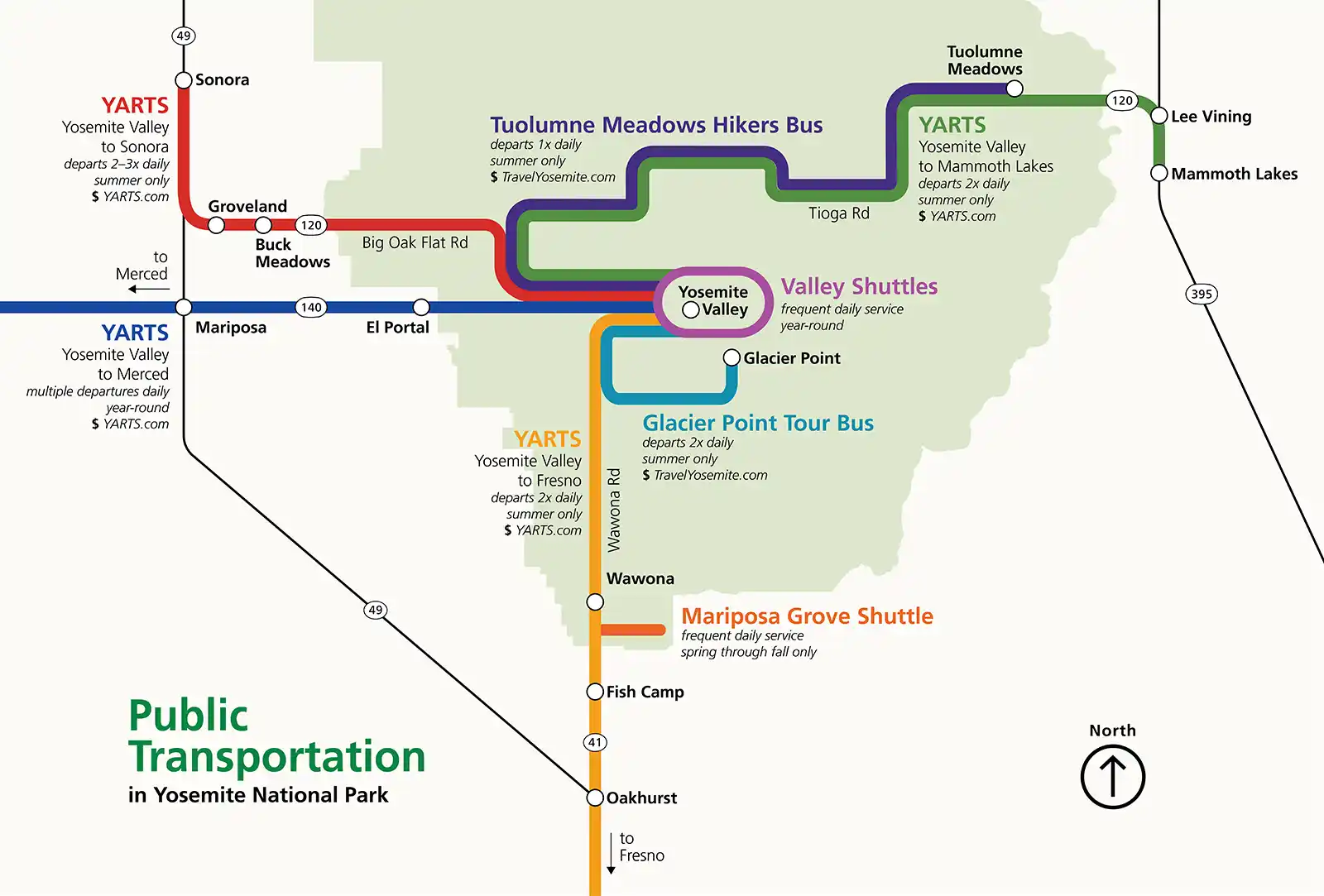
- Use YARTS. This bus service has 4 routes to access the park via 4 of its entrances, departing from Fresno (south), Merced (west), Sonora (northwest), and Mammoth Lakes (east). Once in the park, you can get around using the shuttle service, which we'll discuss later.

FROM SAN FRANCISCO
-Duration: 15h
-Included: hotel pick up & dropp-off, transport, guide and park entry fee for U.S. residents
-Places to visit: Yosemite Valley and sequoias in Toulumne Grove
😊 Free cancellation up to 24h in advance
How many visitor centers are in Yosemite
In Yosemite National Park there are 4 visitor centers:
- Yosemite Valley Visitor Center: located in Yosemite Valley and the only one that opens all year round.
- Tuolumne Meadows Visitor Center: located close to the eastern entrances and open only during summer.
- Wawona Visitor Center: located between Wawona and Mariposa Grove and it opens only in summer.
- Big Oak Flat Information Station: located during summer at the Big Oak Flat Entrance.
How to avoid traffic in Yosemite
Yosemite is visited by around 4 million people every year, with the months of May to October being the busiest. You can imagine that you won't be alone in Yosemite, so to avoid disappointment due to the large number of visitors, endless queues on the roads, and going crazy looking for parking, follow these tips:
- ❌ Avoid weekends and entrance fee-free dates. We know it's difficult, but if you can plan your West Coast road trip so that you don't visit Yosemite on a weekend or holiday, you'll be glad you did. The fee-free days in 2026 will be:
- February 16: Presidents Day (Washington's Birthday)
- May 25: Memorial Day
- June 14: Flag Day
- July 3–5: Independence Day weekend
- August 25: 110th Birthday of the National Park Service
- September 17: Constitution Day
- October 27: Theodore Roosevelt's birthday
- November 11: Veterans Day
- 🌄 Arrive early, ideally before 8 a.m., and leave late.
- 🅿️ When you arrive at Yosemite Valley (the most touristy part), park in the same place the whole time and take advantage of the free shuttle bus service to get around the valley (we'll tell you more about later). You can also get around by bike.
- 🚌 Consider entering the park using the YARTS bus service so you don't have to worry about parking.
- 🚍 From Yosemite Valley, there is a guided shuttle that runs twice a day to Glacier Point (the most famous viewpoint). You can take it one way to save money and walk back. More information is available here.
When to book your Yosemite entrance reservation
Since 2020, Yosemite day pass reservation is mandatory to access at certain times of the year (coinciding with peak season and holidays). This regulates capacity within the park on days when the highest number of visitors is expected.
This reservation must be made through the Recreation.gov app. It's per vehicle (not per person) and costs $2, which is non-refundable if you cancel. If you have accommodation inside the park, you don't need to make a reservation.
⚠️The dates for which reservations will be required for the 2026 season haven't been published yet.

DO YOU NEED A RENTAL CAR IN THE UNITED STATES?
Take a look at this search tool and get the best price!
How much is the entrance fee to Yosemite
Yosemite standard fee depends on your transportation:
- Cars, pick-up truck, RV or van with 15 or fewer seats: $35 per vehicle. This fee covers all persons traveling in the vehicle.
- Motorcycle: $30 and admit up to 2 private motorcycles with up to 4 total passengers.
- On foot, horseback, bicycle, or non-commercial bus: $20 per person for those over 16 years of age.
This ticket allows you to enter Yosemite for 7 consecutive days and can be paid for at any of the park entrances by card only (cash isn't accepted). For this reason we recommend to bring one of the best cards to travel to the USA.
 DO YOU NEED A NO FEES CARD FOR YOUR TRIPS?
Get your Wise card here
Withdraw money and pay in other currencies without fees!
If you plan to visit this park several times and you're US citizen and resident, you can take the Annual Pass for $70, providing free entrance to Yosemite for 12 months from the date of purchase. You can also have the America the Beautiful Resident Anual Pass, then the entry to Yosemite is included.
⚠️ Remember that starting in January 2026, non-US residents will have to add a $100 fee per person to the cost of the standard fee. In other words, if 4 people are traveling in one car, they would have to pay $35 for the vehicle + $100 per person ($400). If you have the America the Beautiful Non-Residents Pass, which now costs $250, your admission to Yosemite is included and you won't have to pay anything else.
When to visit Yosemite
If you're wondering when is the best time to visit Yosemite, the truth is that every season has its pros and cons.
🌷Visit Yosemite in spring
For us, this is the best season to visit Yosemite, especially from mid-May to mid-June. If we have to choose, June is the best month to visit Yosemite.
- ✅ The waterfalls in the valley are at their most spectacular
- ✅ There aren't that many people yet
- ✅ Many options for viewing wildlife
- ✅ Mild temperatures during the day
- ✅ More affordable accommodation
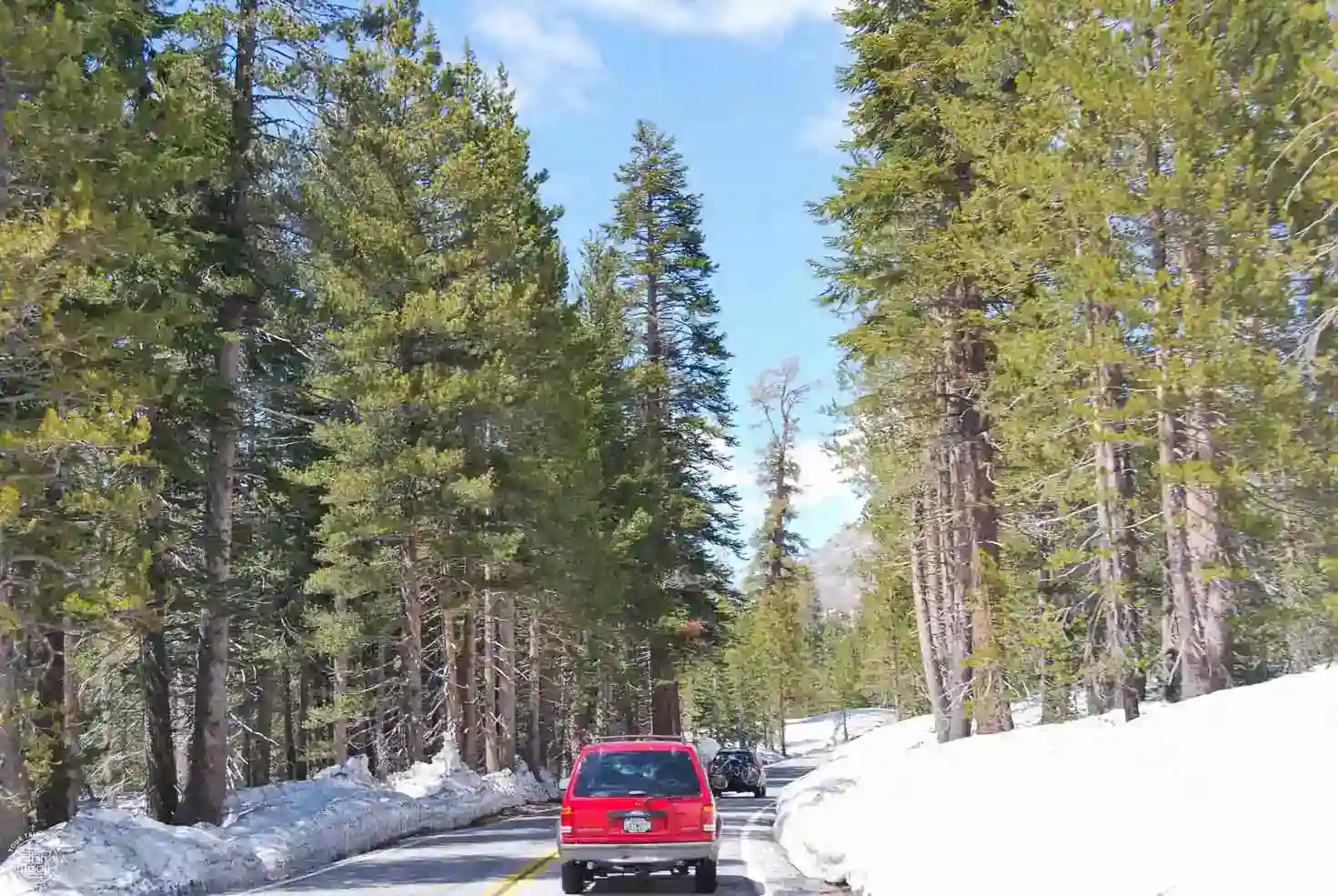
- ❌ Glacier Point Road and Tioga Road open toward the end of spring, so if you go too early in the season, you won't have full access to the park. Some roads may also be closed
☀️Visit Yosemite in summer
Summer is the season when Yosemite receives the most tourists, making visits more complicated, but it also has some advantages.
- ✅ All roads and trails are open, so you can enjoy the entire park
- ✅ Sunny weather
- ✅ Probability of seeing wildlife
- ❌ High temperatures
- ❌ Increases the likelihood of fires
- ❌ Traffic jams at access points and difficulty finding parking
- ❌ Higher prices for accommodations, which sell out months in advance
- ❌ At the end of the season, waterfalls that depend on snowmelt may have very low (or no) flow.
🍂Visit Yosemite in the fall
Visiting Yosemite in the fall is a peaceful and special option, ideal for photography enthusiasts. It's one of the best time of the year!
- ✅ Fewer people
- ✅ Fall colors
- ✅ Mild temperatures during the day and cool at night
- ✅ Lower light, excellent for photography
- ✅ Cheaper accommodations
- ❌ Road and trail closures at the end of the season
- ❌ Risk of snowfall towards the end of the season
- ❌ Waterfalls that depend on snowmelt are dry
❄️Visiting Yosemite in winter
Going to Yosemite in winter means enjoying a landscape that's very different from what we are used to, but equally spectacular.
- ✅ It's the quietest time of the year
- ✅ Snowy landscapes and frozen waterfalls
- ✅ You can practice sports such as mountain skiing, snowshoeing, etc.
- ✅ Cheaper accommodations
- ✅ It's time to see the firefall show
- ❌ Several entrances closed
- ❌ Snow chains are mandatory from November to March, including for 4x4s and rental vehicles
- ❌ Fewer hours of daylight, making the days shorter
- ❌ Low temperatures
- ❌ Fewer services open
Where to stay in Yosemite
We would say without hesitation that accommodation in Yosemite is among the most expensive on the West Coast (unless you go with a tent) and that it should be the first reservation you make when planning your trip.
💡Since this is a long topic and we want to cover it thoroughly, we recommend reading our post on where to stay in Yosemite. You'll find all the information you need in great detail!
As a summary, you can stay inside the park in one of the campgrounds, tents or hotels as The Ahwahnee or Yosemite Valley Lodge.
In case you prefer to stay outside, there're several interesting places to set up base. Your choice will depend on how you've organized your USA West Coast trip, as you may be more interested in one area or another depending on the places you visit both before and after Yosemite. The most common places are El Portal, Mariposa, Oakhurst and Mammoth Lakes, but there're more. In this post you have everything very well explained. 😊
How many days are needed to visit Yosemite
Yosemite is a huge park with lots to see and do, so you could spend a whole week there and still have things left to do. Although we believe that you need at least 2 days to get a feel for the park's essentials, a typical 15-day USA West Coast itinerary usually allows for one or one and a half days.

INTERNET IN THE UNITED STATES
We have 2 discounts for you:
-3 FREE days with eSIMFlag ➡️ Unlimited data at the best price! Code: TRIPTOUSA10
-10% OFF with SimLocal ➡️ Best deal with limited data! Discount applied automatically
🤓 Take a loot at: Best SIMs & eSIMs for traveling to the USA
What are the best places to visit in Yosemite
There is so much to see and do in Yosemite that we've written a comprehensive post detailing everything. You'll also find things to see and do in Yosemite in 1 day, 2 days, and 3 days so you don't have to rack your brains planning your itinerary!
💡Recommended: Top 15 Things to do in Yosemite | + Map and Tips |
To summarize, it's best to divide the park into five main areas:
1. Hetch Hetchy Valley
Located in the northwest corner of the park, this valley crossed by the Tuolumne River is one of the least visited and most scenic areas of the park. Here there is a reservoir surrounded by granite walls where several waterfalls plunge, such as the spectacular Tueeulala, Rancheria, and Wapama. There're also hikes for all tastes!
2. Yosemite Valley
This valley, through which the Merced River winds, is where you will likely spend most of your time in Yosemite, especially if it's your first visit. It has everything: a visitor center open all year round, campgrounds, lodges, restaurants... It's the heart of the park!
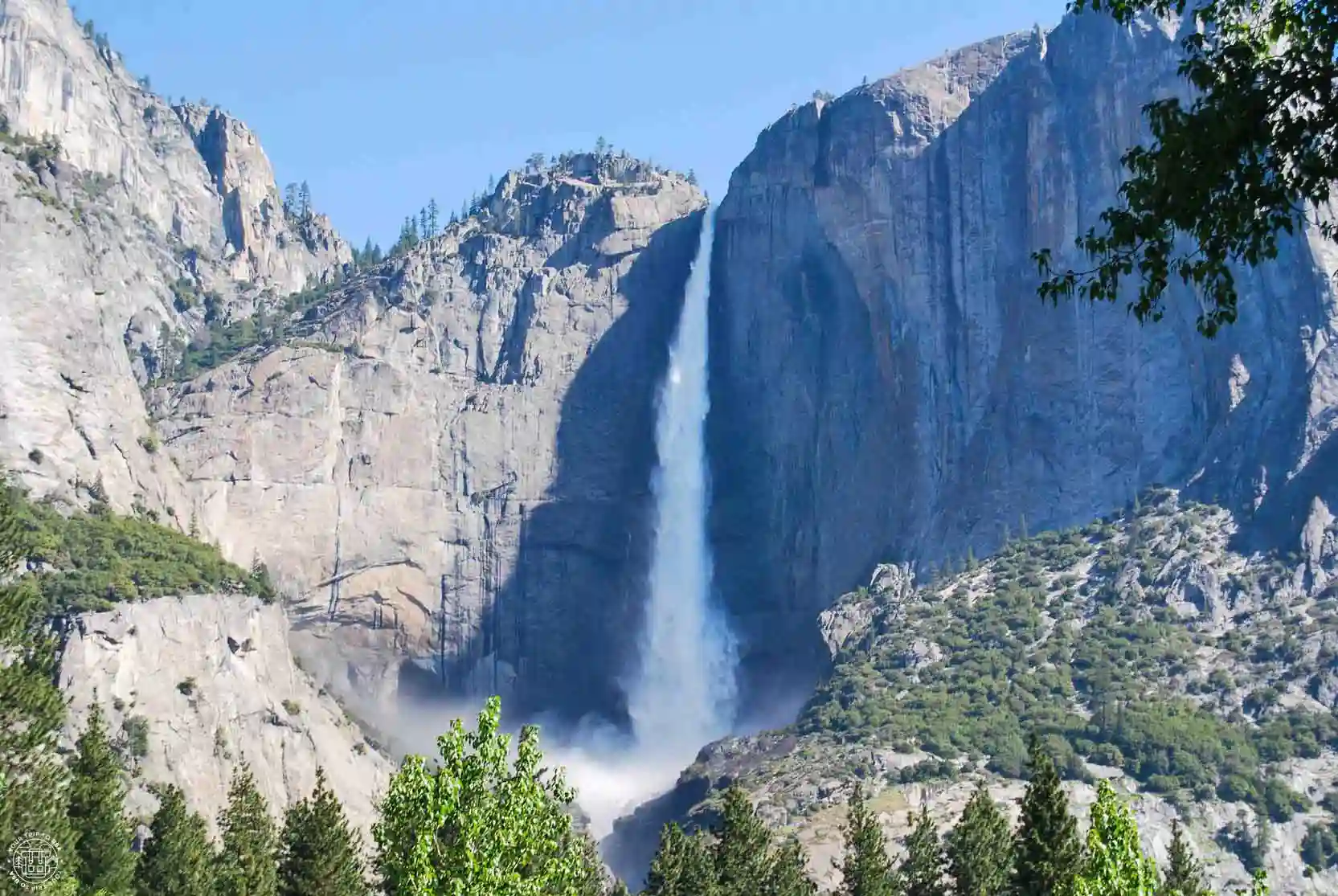
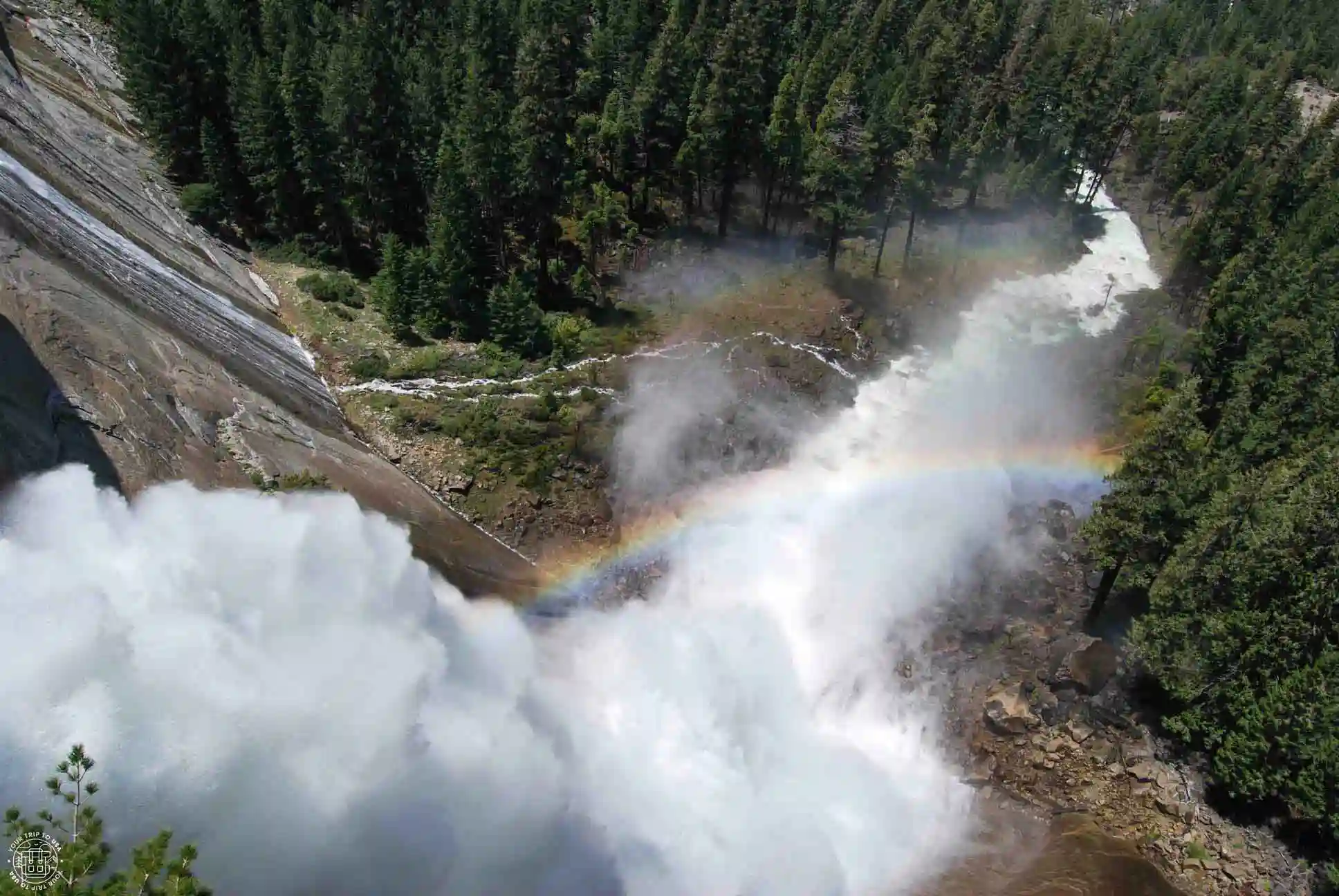
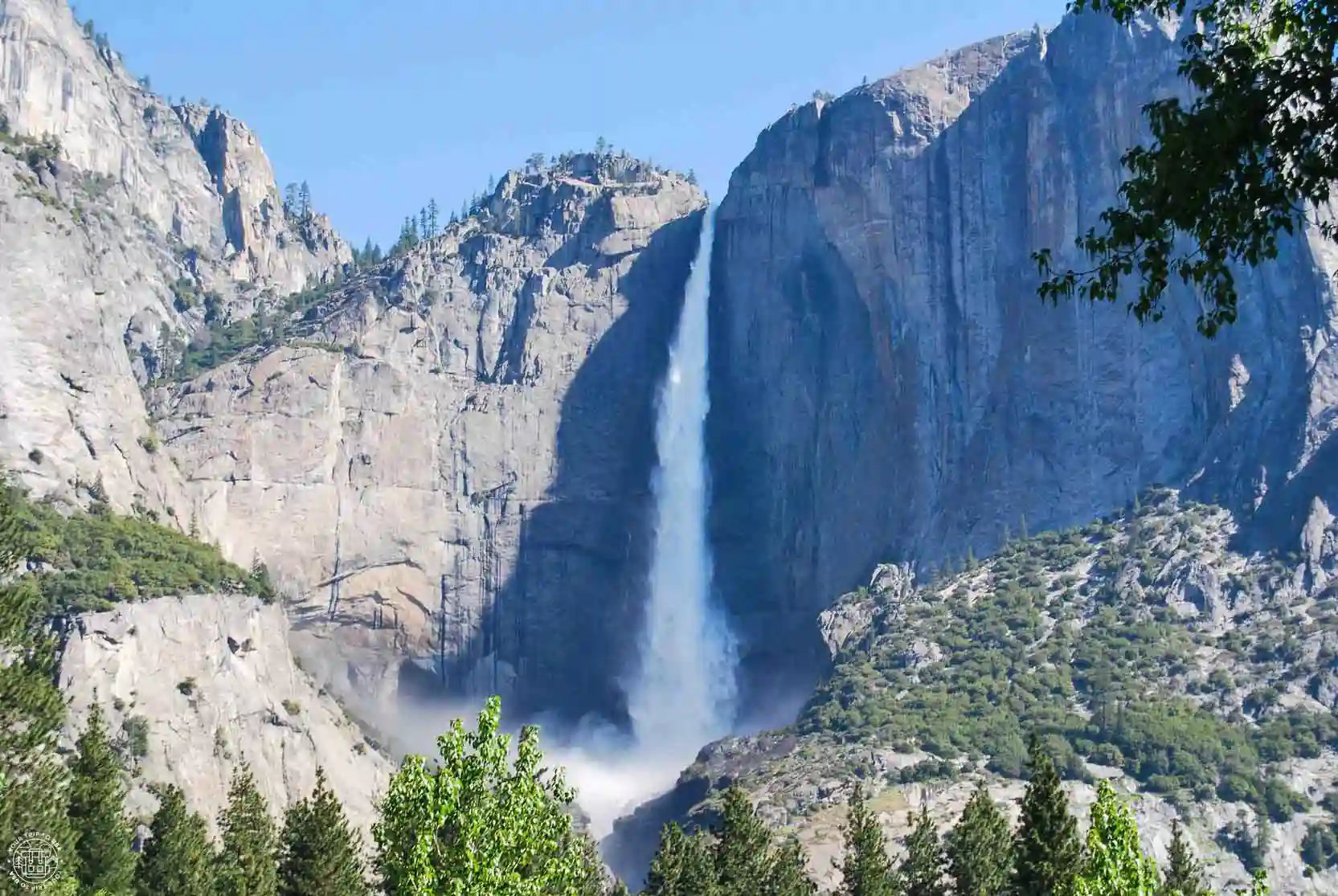
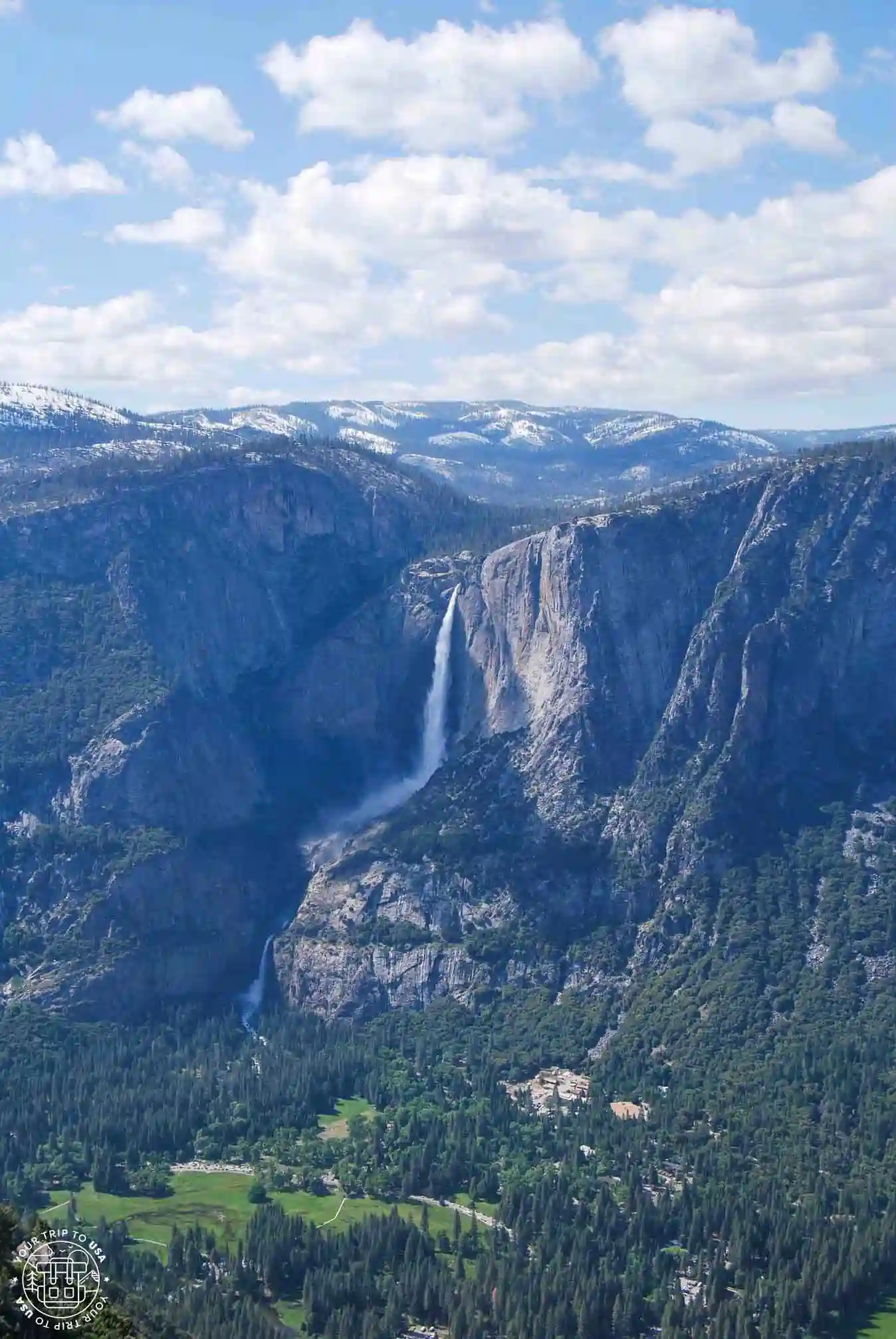
Yosemite Valley is home to the most popular waterfalls (Vernal Falls, Nevada Fall, Bridalveil Fall, Yosemite Falls...), some impressive viewpoints such as Tunnel View and Valley View, well-known granite monoliths such as El Capitan, and many other charming spots. The possibilities are endless, as you can also do several hikes.
⚠️ The road that runs through this valley is a 20-kilometer (13 miles) one-way loop. This means that if you pass a certain point, you'll have to drive all the way around the valley to return to it.
3. Glacier Point Road
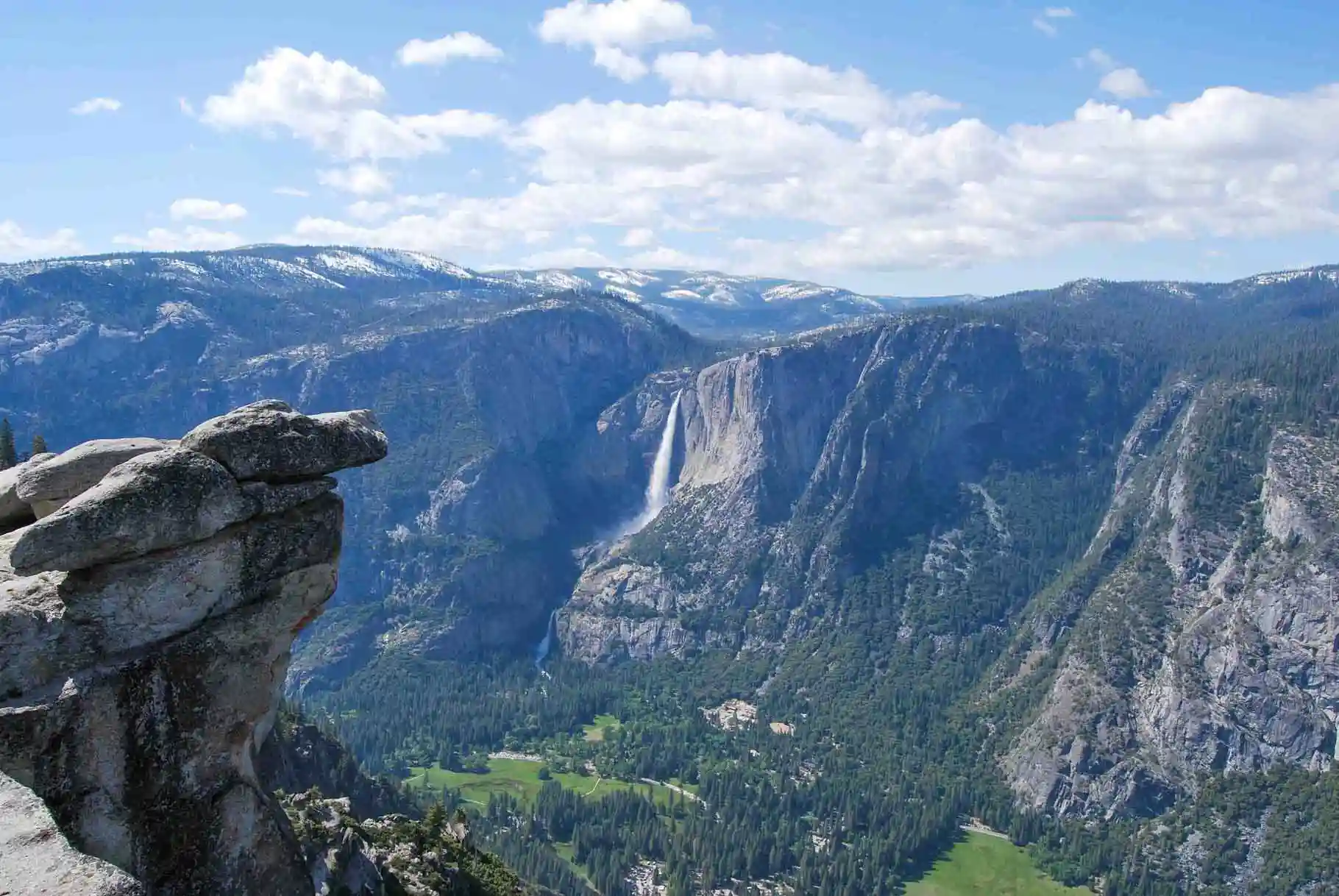
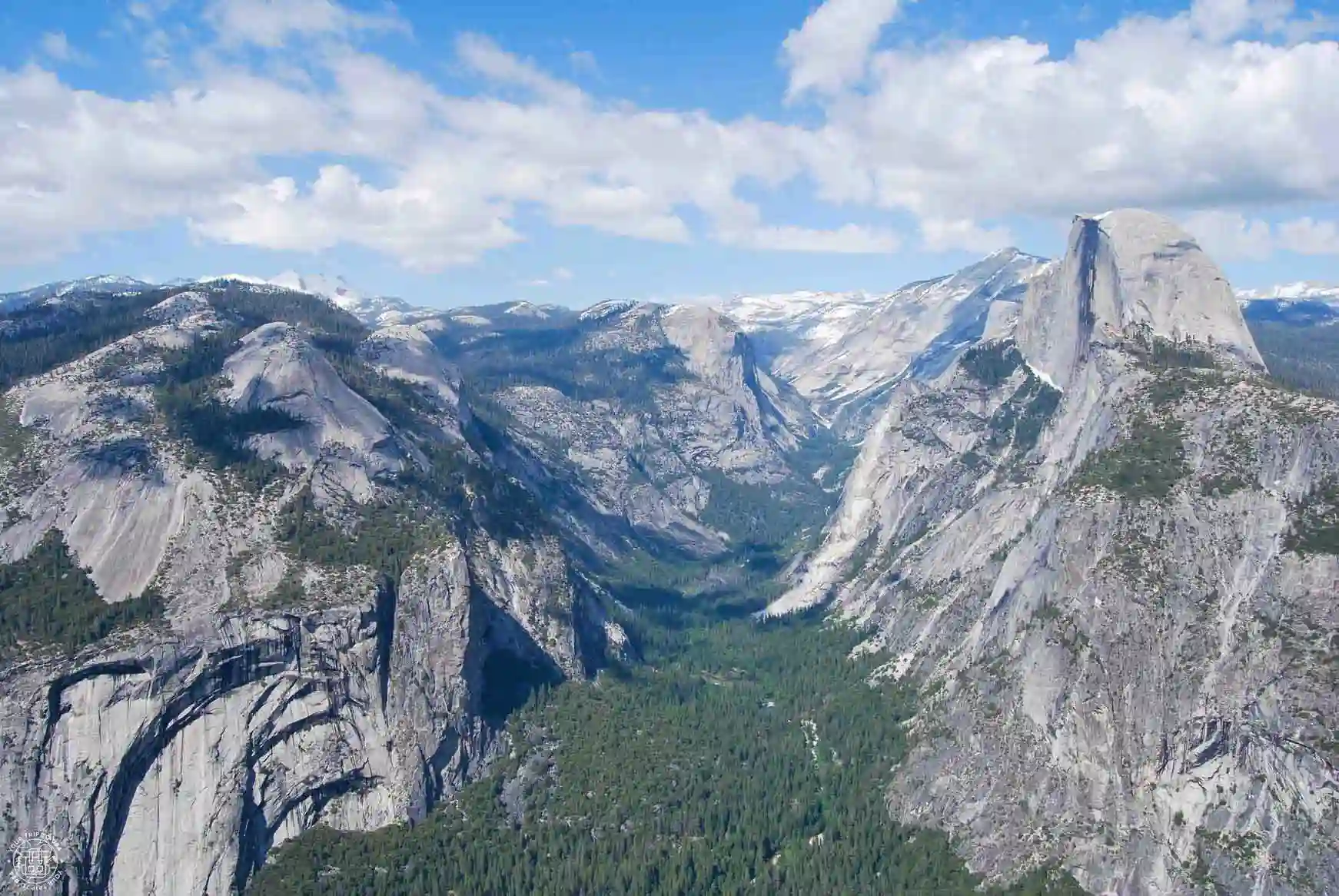
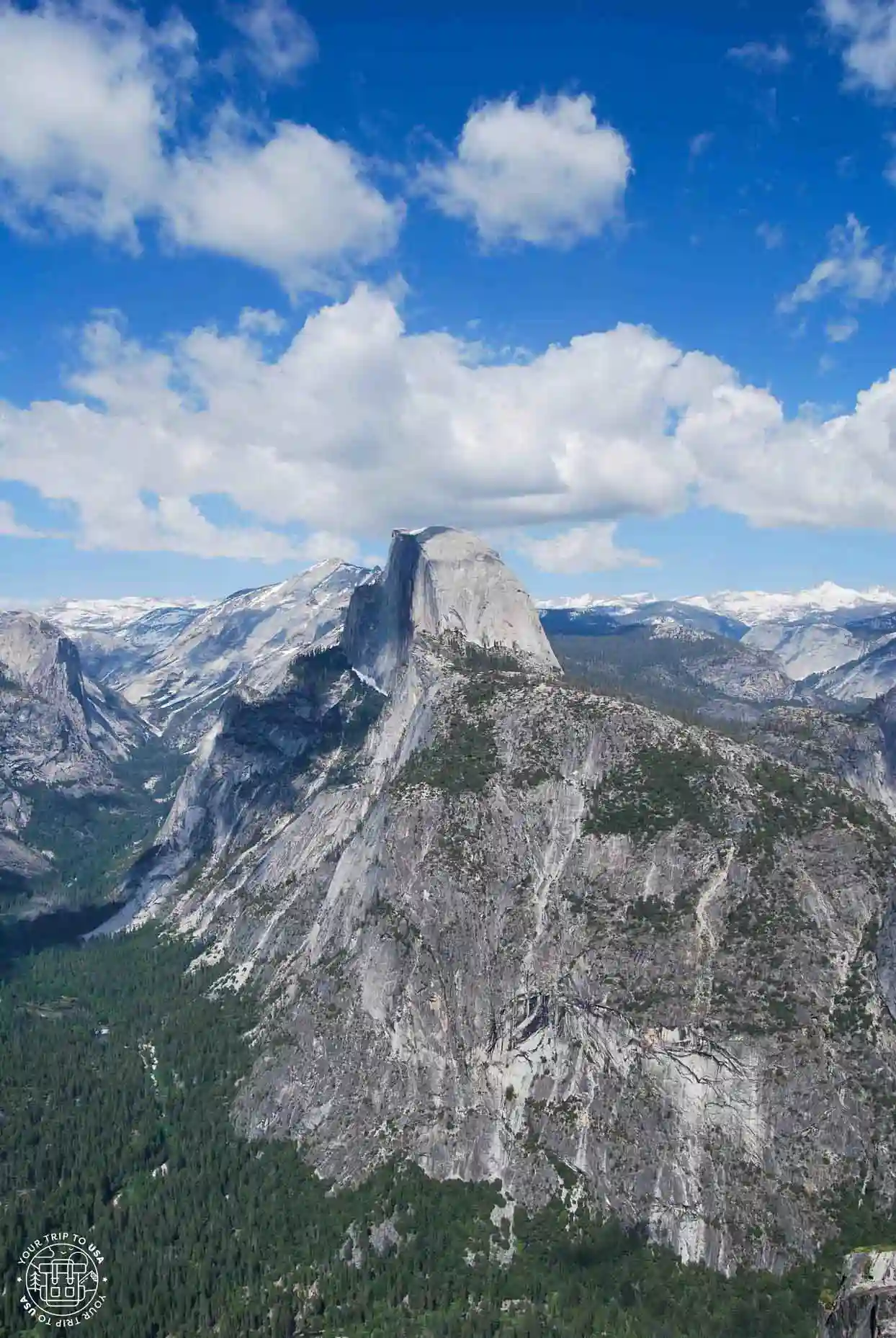
Glacier Point is a 26 km (16 mi) secondary road that's only open from May to November, starting at Wawona Road and ending at the Glacier Point viewpoint. This is one of the most visited places in Yosemite, as it offers incredible panoramic views of Yosemite Valley, Half Dome, several waterfalls cascading down, and the Sierra Nevada mountains in the background.
If you want to get away from the tourist crowds, there are many other viewpoints in this area that are just as incredible, if not more so, and attract far fewer visitors, such as Washburn Point, Sentinel Dome, and Taft Point.
4. Mariposa Grove
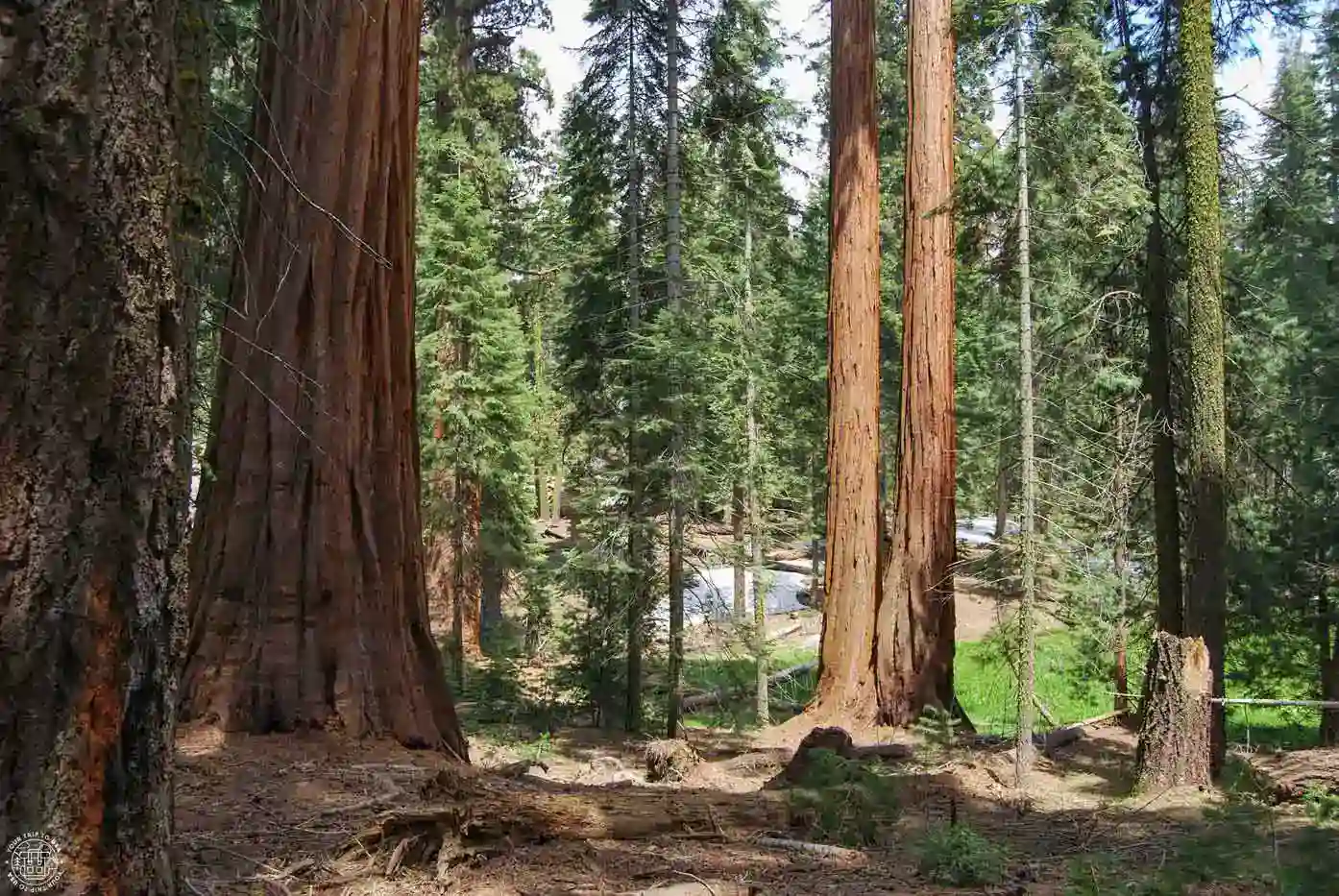
This southern area is home to the park's largest concentration of sequoias, with up to 500 trees! Here you can take easy walks such as the Big Trees Loop Trail, but we recommend taking a longer trail such as the Grizzly Giant Loop Trail, which takes you to the largest sequoia in the park: the Grizzly Giant. It's estimated to be 3,000 years old!
⚠️ Access to Mariposa Grove is only possible via the free shuttle service when the road is open (typically from May to November). We'll discuss this in the following section.
5. Tioga Road
Tioga Road is a scenic highway stretching approximately 94 km (58 mi) through the Sierra Nevada mountain range, crossing the park from east to west and offering breathtaking panoramic views. Here you'll find viewpoints such as Olmsted Point and Tenaya Lake, the Toulumne Meadows area, which is full of treks to beautiful lakes, and Tioga Pass, a mountain pass at 3,030 meters (9,945 feet). Nearest to Yosemite Valley is a small grove of sequoia trees, Toulumne Grove.
Taking this road is ideal for connecting Yosemite with some of the most spectacular places in the surrounding area without having to make a crazy detour, such as Mono Lake, Death Valley National Park, and Mojave.
⚠️ The opening of Tioga Road depends on weather conditions each year, but it's usually open from mid-May to mid-October.
How to get around Yosemite
Apart from being able to get around in your own car (remember the restrictions for large vehicles that we mentioned at the beginning), the park offers a range of transport options that make life easier for visitors, especially during the busiest months.
Shuttle buses in Yosemite Valley
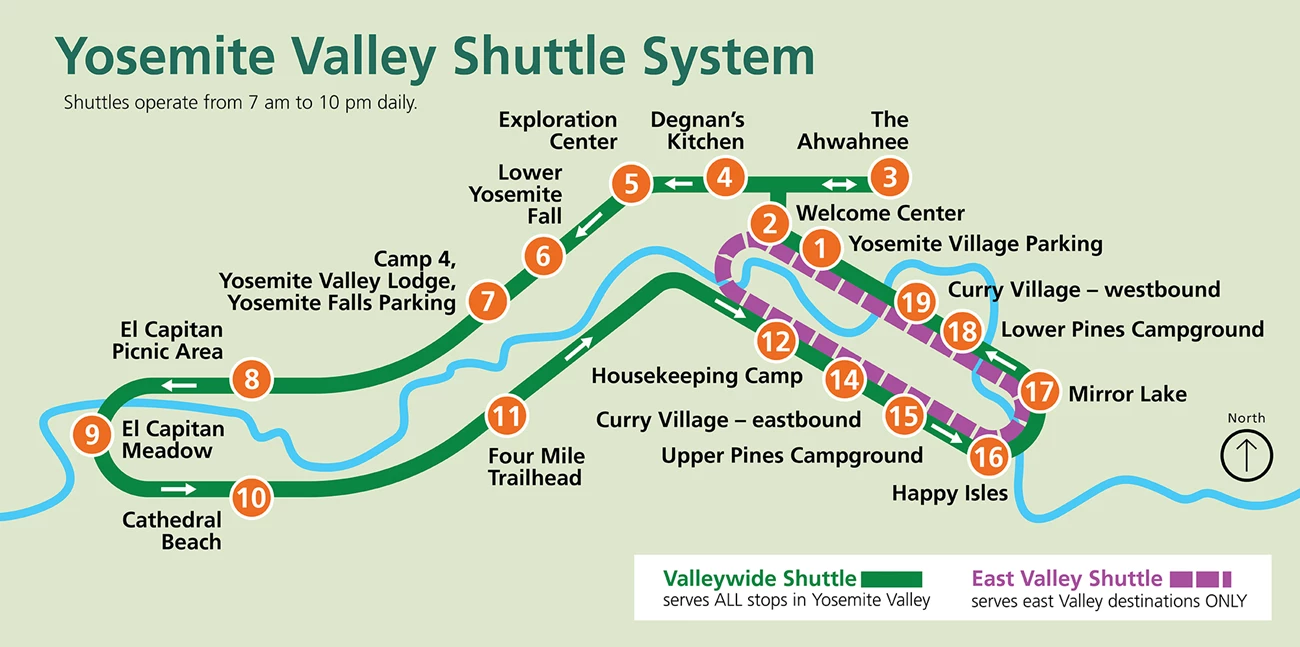
Yosemite Valley is the most famous area of the park, so it's best to park your car in one of the parking lots in the area and use the free shuttle that runs through the valley and stops at tourist attractions. There're two lines:
- 🟢 Valleywide shuttle: this route makes all stops within the valley, including lodges, restaurants, campgrounds, and trailheads. It runs every 12 to 22 minutes from 7:00 a.m. to 10:00 p.m.
- 🟣 East Valley shuttle: this route is limited to the eastern part of the valley (Yosemite Village, Curry Village, Pines Campgrounds, and roads in this area). The service runs from 7:00 a.m. to 10:00 p.m. every 8 to 12 minutes.
Mariposa Grove Shuttle
Mariposa Grove is the most popular area for viewing sequoias in Yosemite and is located in the southern part of the park. The access road is closed during the winter months, and when it's open, private vehicles are prohibited and visitors must use the free shuttle.
This service begins when the road opens (from mid-April to late November at the latest) and departs from the Mariposa Grove Welcome Plaza. You must leave your vehicle here, as there is a parking lot with space for around 300 cars.
Glacier Point Tour
As we mentioned earlier, Glacier Point is a very popular spot in Yosemite, so during peak season, there can be heavy traffic on the access road and no parking available. If you want to avoid frustration behind the wheel, one option is to book the Glacier Point Tour, a paid tour that departs from Yosemite Valley Lodge and ends at Glacier Point without any stops along the way.
What many people do is book only the one-way trip and walk back along the Four Mile Trail, which is cheaper and also makes for a really cool hike (all downhill).
ℹ️ There're 2 departures daily (8:30 a.m. and 1:30 p.m.) and it's usually available until mid-October.
Yosemite Valley & Tuolumne Meadows Hikers Bus
There's also a paid bus service that runs between Yosemite Valley and Tuolumne Meadows, a beautiful and less visited area of the park located near the east entrance. This bus travels along Tioga Road, so it only operates when the road is open, and stops at several tourist sites before arriving at the Tuolumne Meadows Visitor Center.
YARTS buses
We've already told you about the YARTS buses, which not only take you to the national park from various points in California, but also make stops within the park itself. You can use their services, which are subject to a fee, and combine them with the free shuttles we mentioned earlier.
Getting around Yosemite by bike
Another alternative is to get around Yosemite by bicycle, which you can rent at several locations in Yosemite Valley (Curry Village, Yosemite Village, and Yosemite Valley Lodge). The price for a standard bike is $30 for half a day and $40 for a full day.
When to see Yosemite's Firefall
One of the craziest phenomena in Yosemite occurs at Horsetail Fall, a 304-meter (1,000 feet) waterfall that plunges down the east face of El Capitan.
Under normal conditions, it doesn't attract much attention due to its low water flow, but for a few days in mid- to late February, from 5 to 15 minutes at sunset, this waterfall turns orange, looking like a firefall that seems lava. For this to happen, 3 things must occur:
- Perfect alignment of the sun with the waterfall
- Sufficient water in the waterfall: depends on the amount of snow and whether the daytime temperature is high enough to melt it.
- Clear sky
A unique phenomenon that attracts photographers from all over the world!
What animals can be seen in Yosemite
Yosemite is a paradise for wildlife lovers, as it's home to up to 90 species of mammals and 262 species of birds, as well as amphibians, reptiles, insects, and fish. Needless to say, respect for nature is essential, and approaching or feeding wildlife (as well as picking plants and flowers) is strictly prohibited, with fines of up to $5,000.
Among the most popular mammals, the black bear attracts the most attention in Yosemite. There're between 300 and 500 in the park, and although they aren't as large as grizzly bears, they should not be underestimated. It's important to follow all the safety rules set by the park, especially when it comes to controlling food, trash, and belongings that may attract bears due to their smell, such as aerosols and hygiene products.
For this reason, you'll see that trash cans in Yosemite have a special bear-proof seal, and you must leave them properly closed when you use them. Don't leave food scraps, wrappers, or silly things like toothpaste in plain sight in your car, as bears can detect smells from miles away and won't hesitate to destroy a car if necessary. If you're camping, there're special metal boxes where you can lock your belongings away.
⚠️Remember that a bear can kill you in seconds, so rule number one if you encounter one is don't run. You can raise your arms holding a backpack to make yourself look bigger, shout and make noise, but never run: you'll lose the race. Remember that bear spray is prohibited in Yosemite.
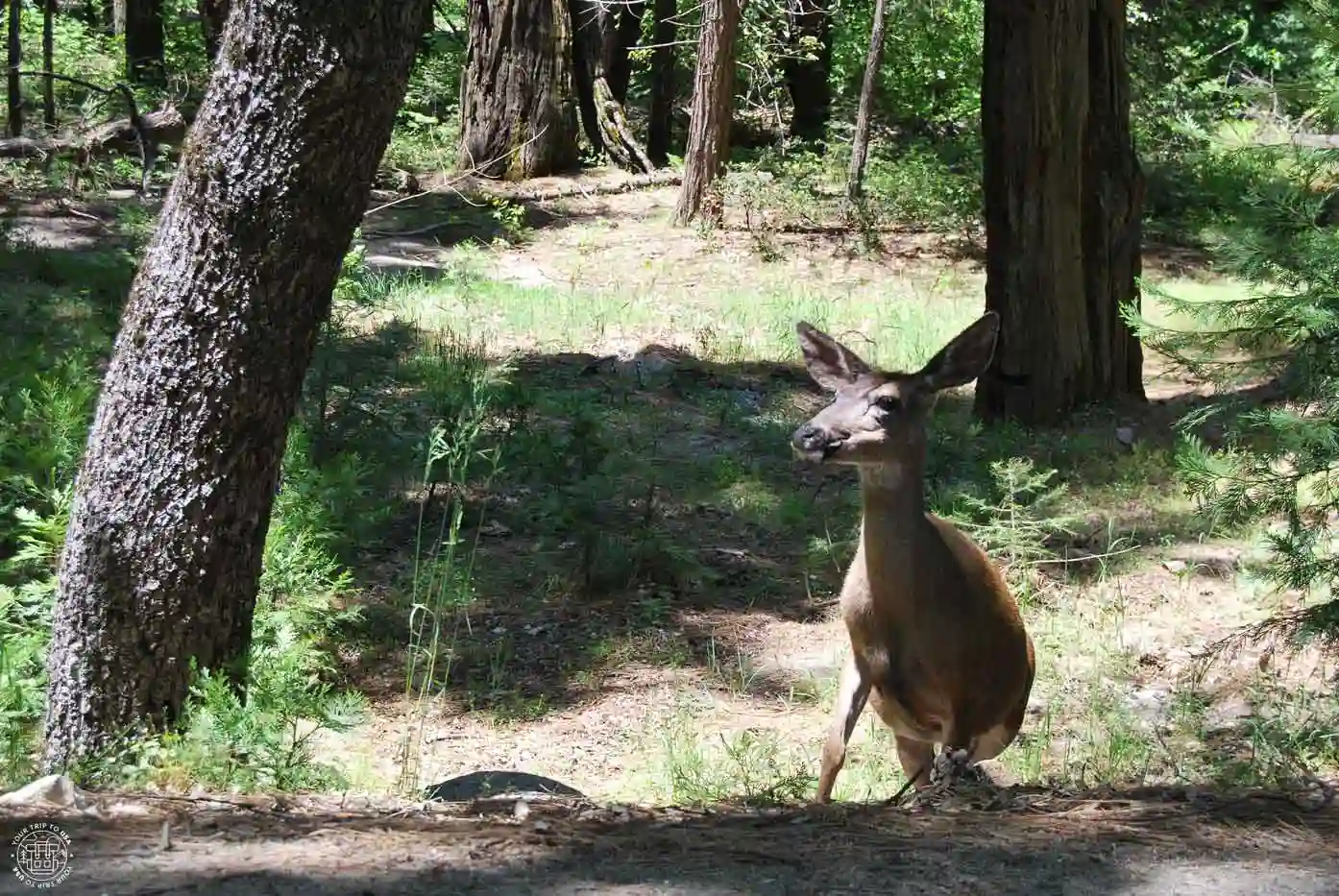
Other interesting mammals include the Sierra Nevada mountain goat, the Sierra Nevada red fox, the mountain lion, and the deer. There're also 17 species of bats, which, although we know many people dislike them, are very important for the balance of ecosystems.
Map of Yosemite
On this map, you can see the points we've been talking about throughout the post, such as access points, roads with vehicle size restrictions, areas of the park, and the most interesting points to see in each of them:
We hope this guide to visiting Yosemite is helpful to you 😊