

MUNI network in San Francisco
Muni is San Francisco's main transportation network and includes buses, the subway, the historic streetcar and the iconic Cable Car. Few cities in the world have so many public transportation options! The never-ending hills have to be climbed somehow 😊.
You can find the public transport map of San Francisco here (only MUNI network), but it's true that there are so many lines and options that it's a bit difficult to interpret. For this reason, our main recommendation is to download the MuniMobile app, it's very useful! You'll be able to find at the moment how to go from one point to another and buy tickets if necessary, it becomes the best ally when getting around San Francisco!
📱For using the MuniMobile app you'll need a phone with internet in the United States. In case you need an eSIM, we have some discounts for you:

INTERNET IN THE UNITED STATES
💡 The most convenient way to get internet access in the U.S. is to buy an eSIM—that way, you'll have a connection as soon as you set foot in the country. Plus, local SIM cards in the U.S. are pretty expensive.
💸 We have 2 discounts for your unlimited data eSIM for the US:
⭐5% OFF with Holafly ➡️ Excellent coverage
⭐20% OFF with eSIMFlag ➡️ Best price
🤓 Take a loot at: Best SIMs & eSIMs for traveling to the USA
Other options for purchasing tickets include:
- Clipper Card: rechargeable card that can also be used for the BART train and public ferries. You can buy it physically at the machines in the stations or virtually. It costs $3, but you can save this money if you buy it virtually with the Auto-Reload option (i.e., you have to link it to a payment method and it automatically reloads when you reach the minimum balance of $2.10). In addition, the virtual Clipper card can be added to your Apple Wallet/Google Wallet, allowing you to use your phone in contactless readers.
- Debit or credit card: you can buy your tickets with a card at the machines located in the subway stations.
- Cash: only valid for surface transportation (not for the subway) and it's mandatory to have the exact amount.
Here is a summary of all the public transportation options within de MUNI network:
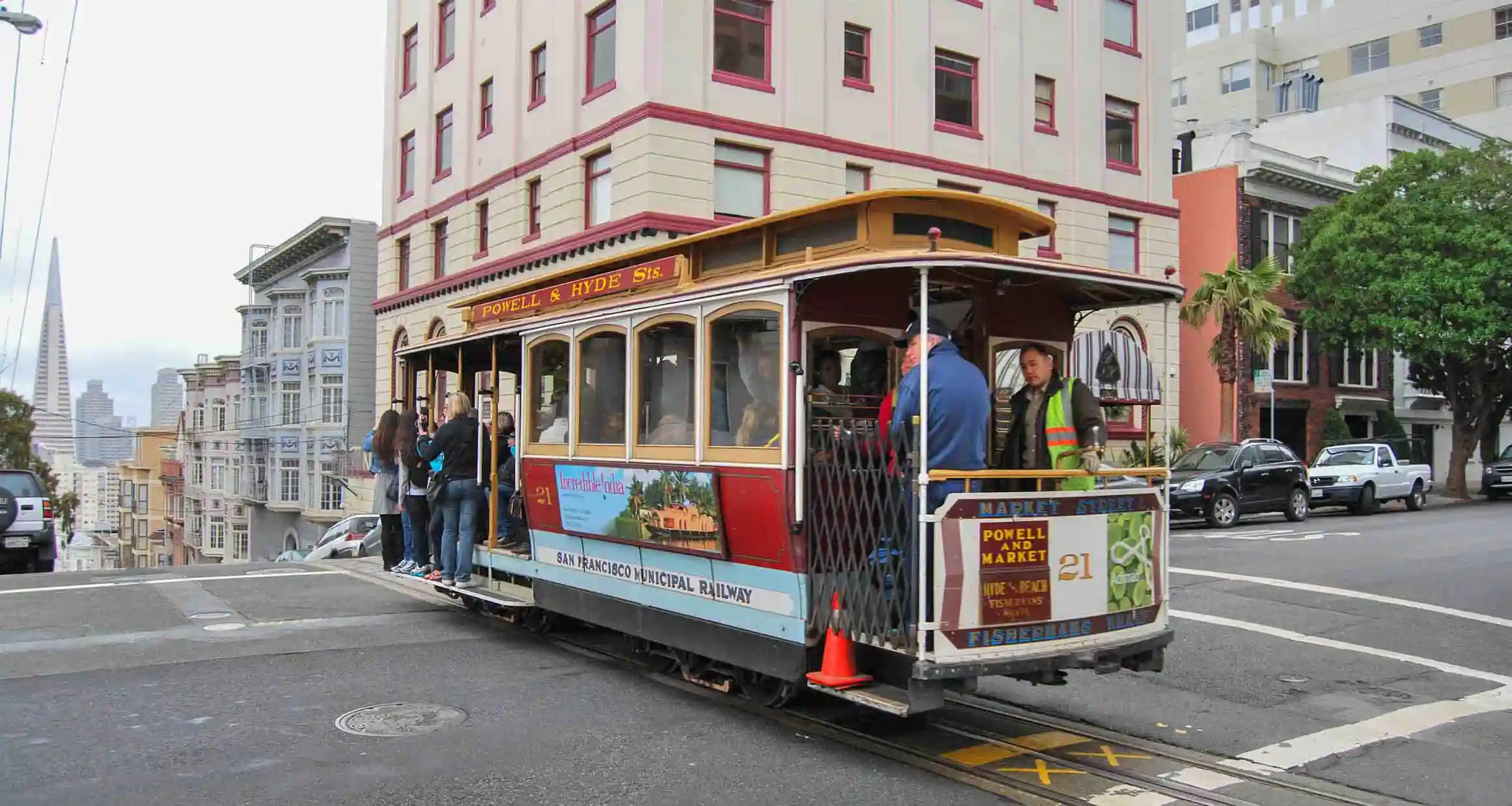
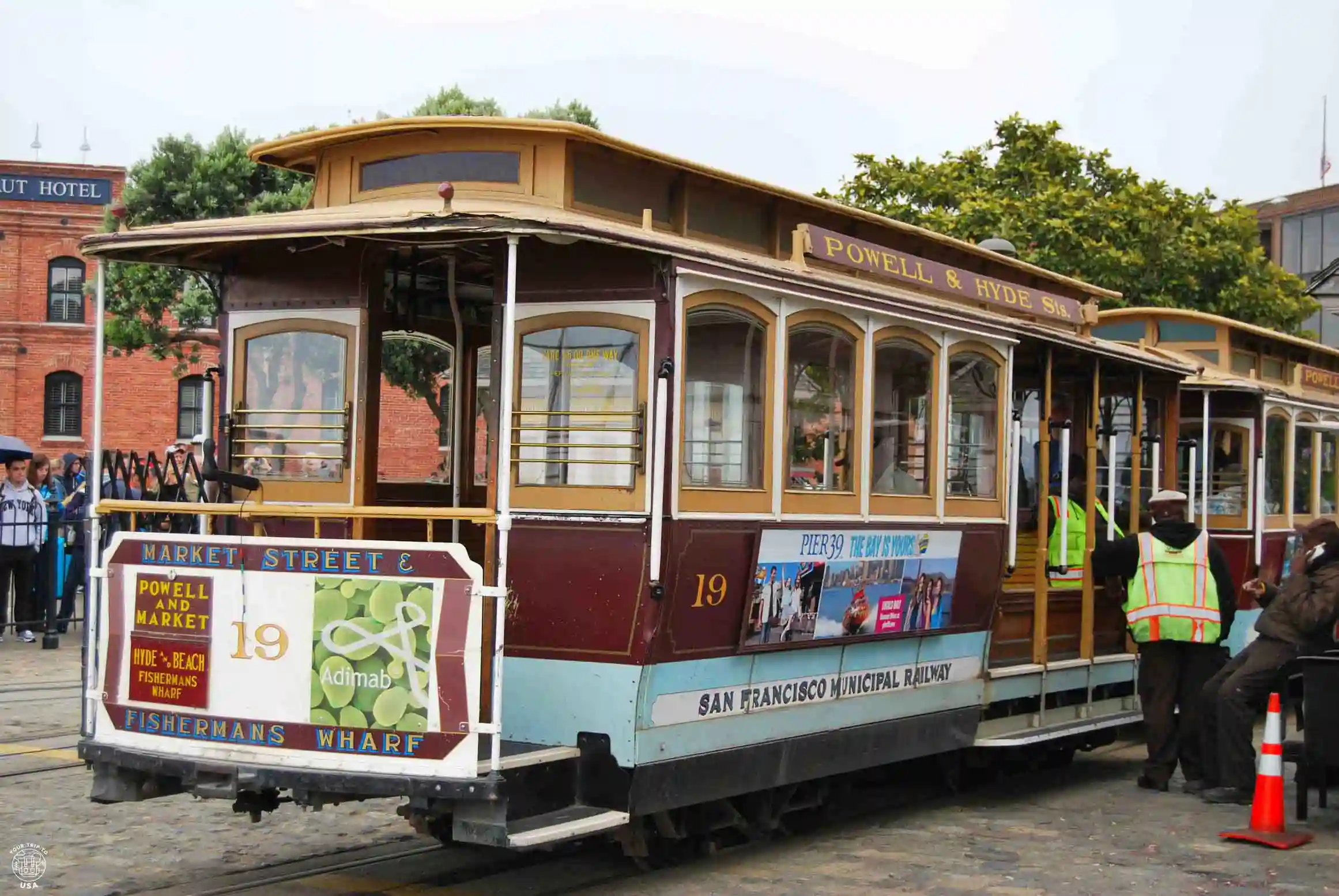
Cable Car, San Francisco's funicular railway
We're sure that one of the things to do in San Francisco you won't want to miss is to ride the historic Cable Car. This system was inaugurated in 1873 and currently only 3 lines remain out of the 20 there were in the past.
We recommend you to visit the Cable Car Museum, a free museum located in the Nob Hill neighborhood where you'll learn a lot about the history and operation of this emblematic means of transportation.
These are the Cable Car lines that you can find:
- Powell & Hyde Line: links Hyde Street (in Fisherman's Wharf area) with Powell Street (in Union Square area). It's the most panoramic line and offers spectacular views of the city, including the Financial District, Coit Tower and Lombard Street. It also passes through Chinatown.
- Powell & Mason Line: links Taylor Street (in Fisherman's Wharf area) with Powell Street (in Union Square area). It isn't as scenic, but it crosses Little Italy and Chinatown neighborhoods.
- California Line: runs along California Street from Financial District to Van Ness Avenue (near Nob Hill), crossing Chinatown. It's the least touristy of the 3 lines, so it doesn't have the long lines of the others.
💡The Powell & Hyde and Powell & Mason lines are the only ones that require the famous manual turnaround of the funiculars to change the direction. To see it you must go to the beginning or end of any of them, that is, at the following junctions: Powell St with Market St, Hyde St with Beach St and Taylor St with Bay St.
The price of the Cable Car ticket is different from the rest of the Muni network transportation. It costs $9 ($4 for seniors over 65 years old and free for children under 4 years old) and doesn't allow transfers. If you want to buy the tickets in person you must take into account several things (doesn't apply if you buy your ticket through the MuniMobile app or if you have the Clipper card):
- Only in the case of getting on at Powell St/Market St, Hyde St/Beach St and Taylor St/Bay St (start and end of the Powell & Hyde and Powell & Mason lines), it's necessary to buy tickets at the kiosks that you can see here from 8:00 am to 5:00 pm.
- For the rest of the Cable Car stops or outside the timetable mentioned above, you can buy them from the driver, but it must be in cash and with the exact amount.
⏱️The Cable Car operates every day of the week from 7:00 am to 10:00 pm.

Save money on San Francisco attractions!
💸5% discount with the code YOURTRIPTOUSA5💸
🧐More popular attractions: San Francisco Bay Cruise, bike rental, Big Bus 1-day Tour, 1-day Muni Pass with Cable Car. There are 27!
San Francisco Historic Streetcar
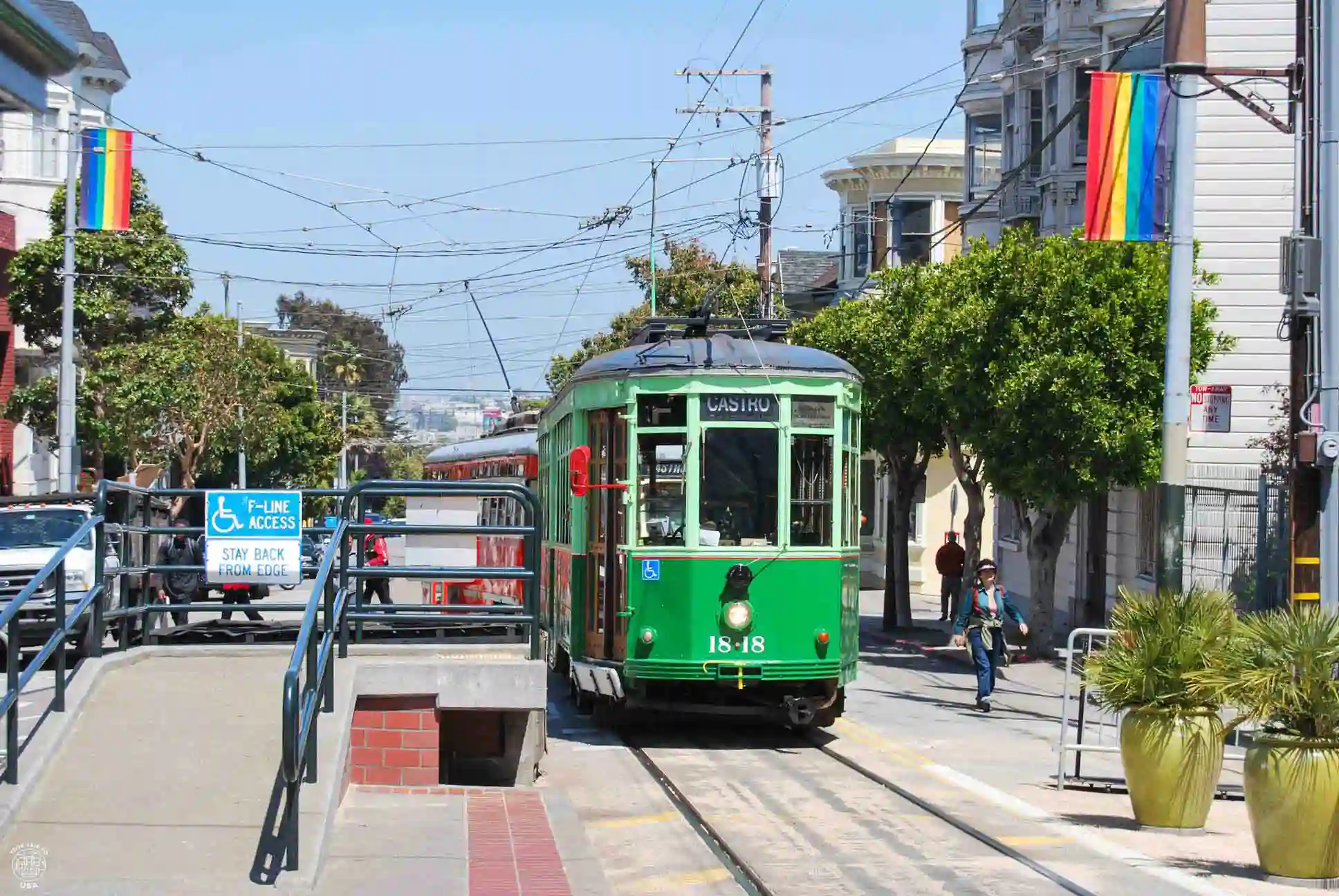
It's important not to confuse San Francisco's Historic Streetcar with the Cable Car. The Historic Streetcar opened in 1962 and, unlike the Cable Car, is larger in size and runs on cables that run through the air rather than under the pavement.

TRAVEL INSURANCE
FOR THE UNITED STATES
💸 Healthcare in the U.S. is very expensive, and any accident or illness can cost you a fortune.
That's why we recommend getting travel insurance that covers you in case anything goes wrong, so you don't have to pay anything up front.
💡 We always travel with Heymondo because it offers excellent medical coverage at a great price. Plus, you can get 5% OFF*!
🤓 Take a look at: Best travel insurances for the USA | Comparison + Discounts |
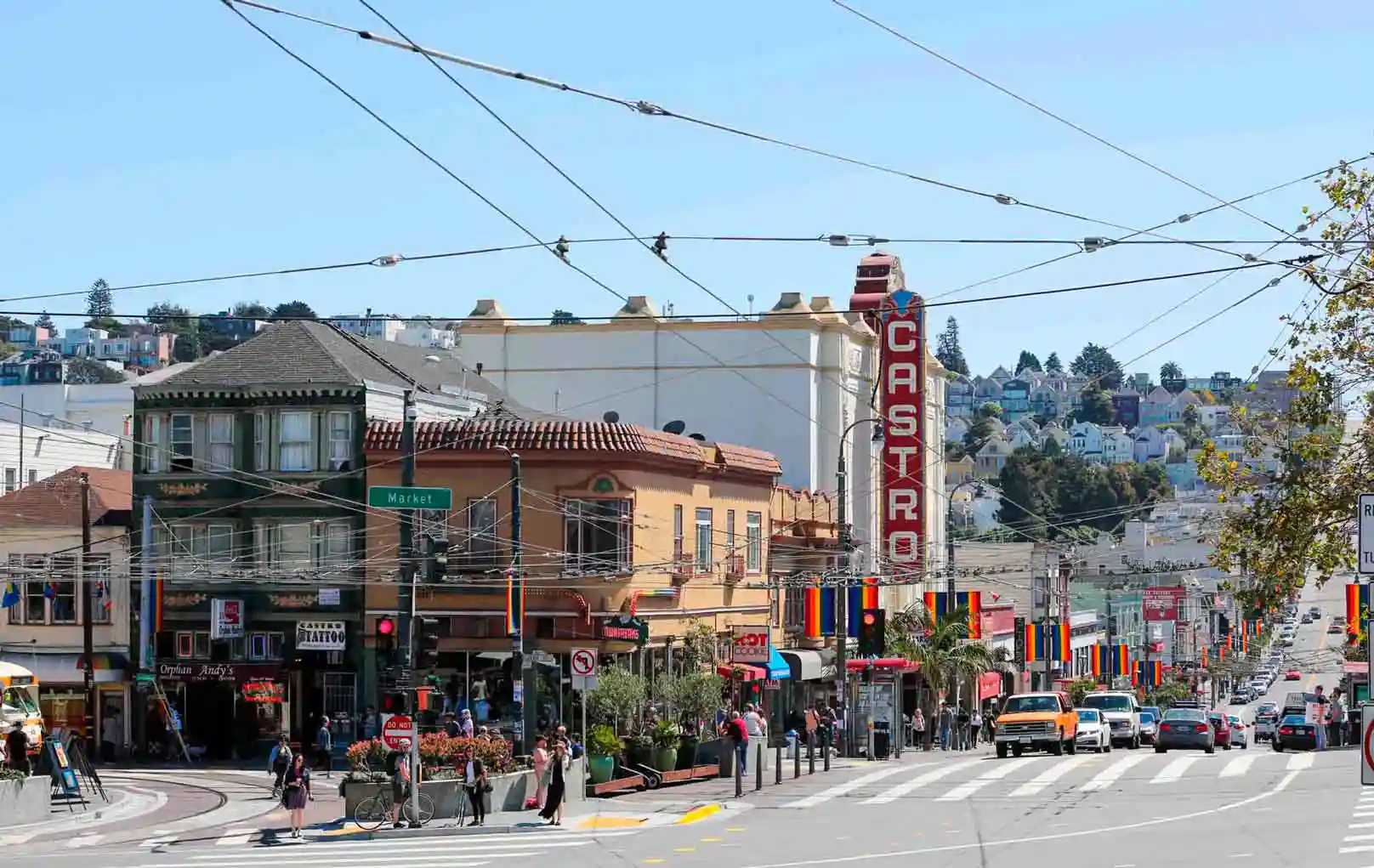
If you're wondering how the streetcar works in San Francisco, you should know that the only line that operates is the F Market & Wharves and connects Castro to Fisherman's Wharf. It starts by running along Market St through Castro, Civic Center, Union Square and the Financial District. It then turns north along the Embarcadero until it ends at Jones St/Beach St.
⏱️The Streetcar operates every day of the week from 7:00 am to 10:00 pm.
Subway in San Francisco
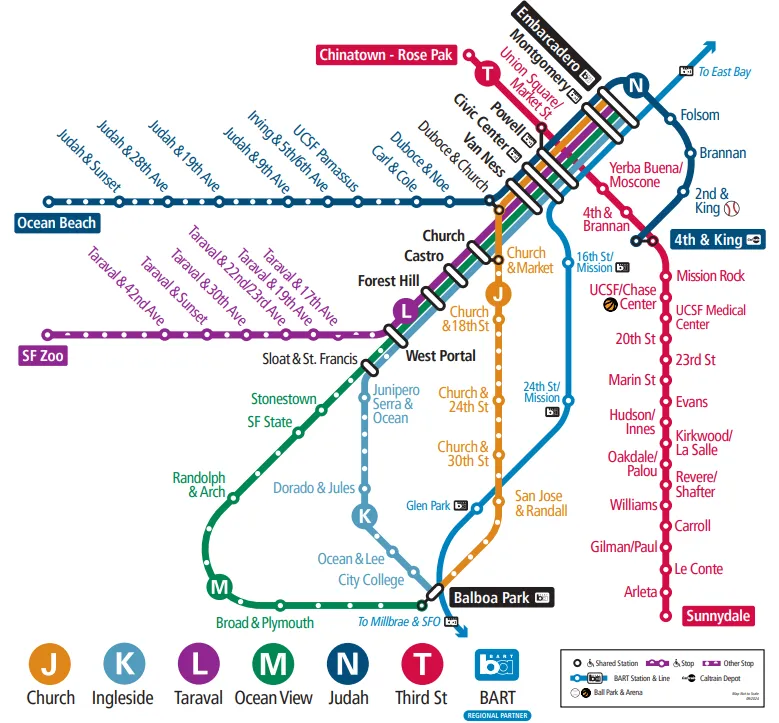
The subway is another public transportation in San Francisco. Known as Muni Metro Light Rail, it has the particularity that some sections run above ground and others below. When the lines pass through the Market Street area, they hide under the surface following the Market Street Tunnel, emerging again to head to their respective neighborhoods.
There are a total of 6 subway lines in San Francisco:
- J Church
- K Ingleside
- L Taraval
- M Ocean View
- N Judah
- T Third
⏱️The Muni Metro operates every day of the week from 6:00 am to 00:00 am. Outside these hours there are 2 night buses that run the same route as 2 of the metro lines: L OWL (same as L Taraval line) and N OWL (same as N Judah line).
Buses in San Francisco
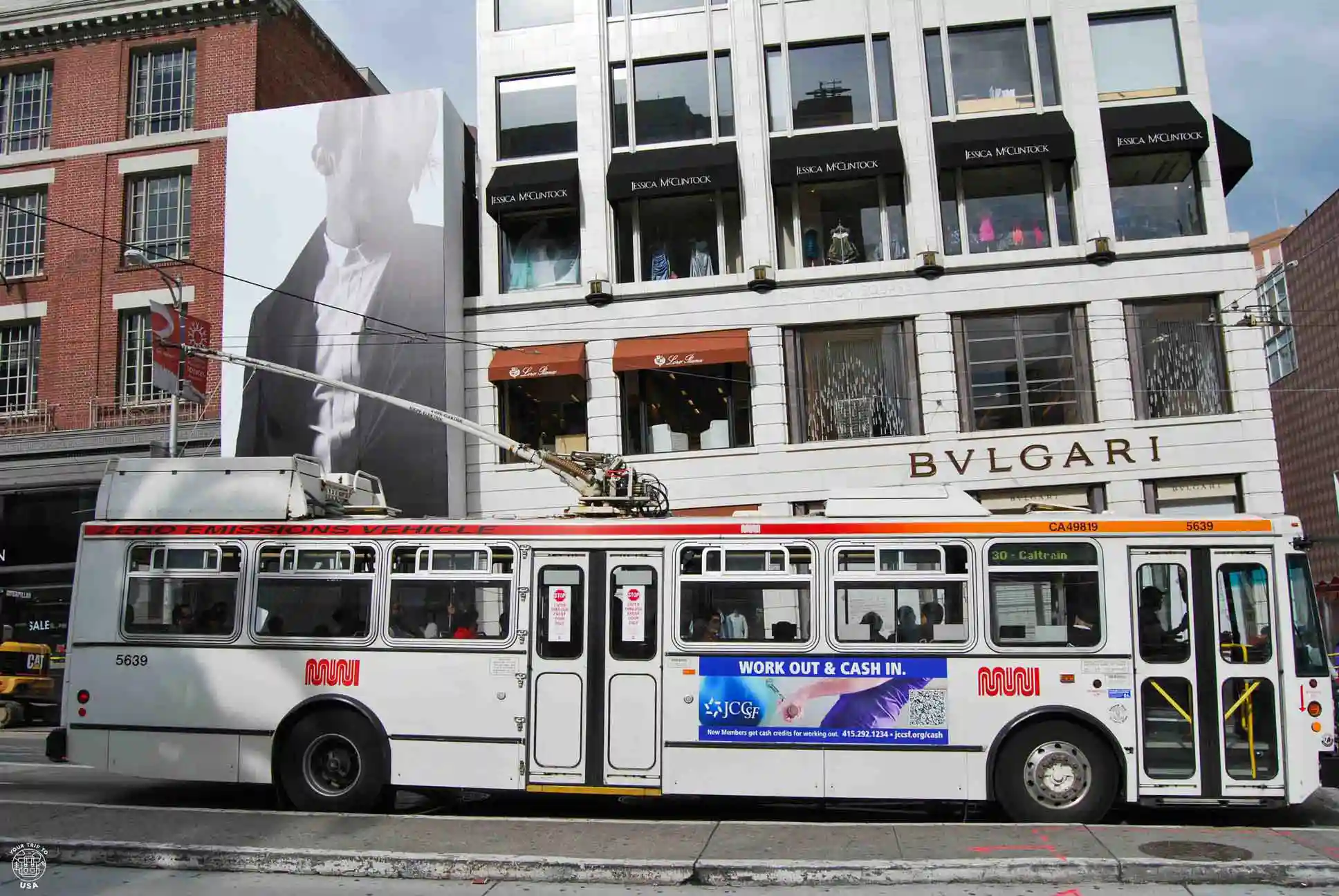
To finish with Muni transportation, San Francisco also has an extensive network of both hybrid and 100% electric buses. As it's impossible to number all the lines here, in the MuniMobile app you'll find all the available routes and schedules for each one.
In addition to the Muni network, there is the SamTrans bus network. It operates mainly in the south of the city (San Mateo area), but there are some lines that also reach downtown and are interesting to get from the San Francisco airport to downtown.
How much does a Muni ticket cost?
There are different fares and passes when using Muni public transportation. Note that there're discounts for seniors over 65 years old and children under 4 years old don't pay in some cases:
| MUNI TICKETS | |||
|---|---|---|---|
| Price | Validity | Transfers | |
| Standard single ticket | $2,85 with Clipper card or the MuniMobile app; $3 in cash or at the machines | 120 minutes for buses, subway and historic streetcar (Cable Car not included) | Yes |
| Cable Car single ticket | $9 | 1 ride | No |
| Day pass | $5,70 | Unlimited travel for 1 day on buses, subway and historic streetcar (Cable Car not included). | Yes |
| 1-Day Visitor Passport | $15 | Unlimited travel for 1 day on all Muni transportation. Includes Cable Car. | Yes |
| 3-Day Visitor Passport | $35 | Unlimited travel for 3 days on all Muni transportation. Includes Cable Car. | Yes |
| 7-Day Visitor Passport | $47 | Unlimited travel for 7 days on all Muni transportation. Includes Cable Car. | Yes |
BART in San Francisco
Bay Area Rapid Transit, known as BART, is a rail network that connects the San Francisco Bay Area to the surroundings. BART is the most used transport for connecting San Francisco airport and downtown, so if you arrive in the city by plane you'll most likely use this option.
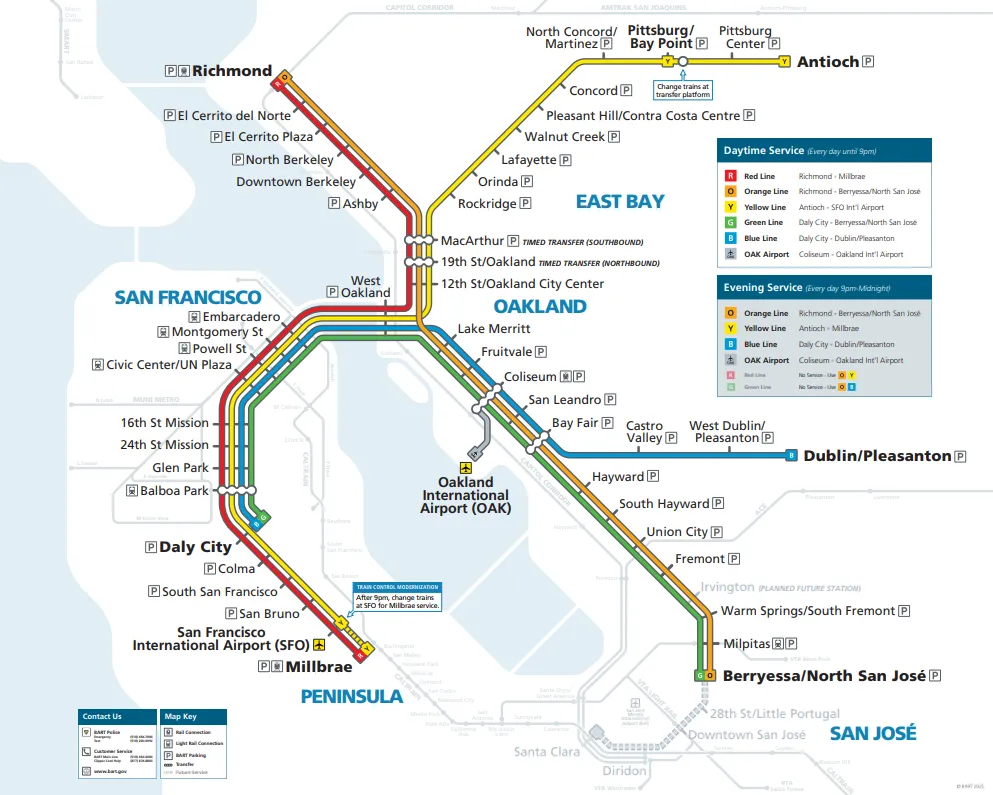
San Francisco BART has a total of 6 lines divided by color, you can see here the BART map:
- R (Red Line): Richmond-Milbrae
- O (Orange Line): Richmond - Berryessa/North San Jose
- Y (Yellow Line): Antioch - SFO International Airport
- G (Green Line): Daly City - Berryessa/North San Jose
- B (Blue Line): Daly City - Dublin/Pleasanton
- OAK: Coliseum - Oakland Int’l Airport
⏱️What is the San Francisco BART schedule?
BART operates every day of the week, but the schedule changes depending on the day:
- Monday to Friday: from 5:00 am to 00:00 am
- Saturdays: from 6:00 am to 00:00 am
- Sundays: from 8:00h to 00:00h
Please note that after 21:00h only 4 of the 6 lines operate: O, Y, B and OAK. Lines R and G do not operate between 21:00h and 00:00h.
💸What is the cost of the San Francisco BART ticket?
The cost of a BART ticket depends on the distance you travel. To give you an idea, a ride between any of the 2 airports to downtown costs approximately $11-$12.
You can pay for your BART ticket in 2 ways:
- Clipper card: this is the same rechargeable card that we've mentioned above and that you can also use on the Muni network and public ferries.
- Tap and Ride: easier option for tourists, as you can directly use your contactless card or your card in Apple Wallet/Google Wallet. It's only possible to use 1 card or phone per person.
Free shuttles in San Francisco
There're a couple of very interesting free bus services to make it easier to visit 2 places to see in San Francisco:
- Golden Gate Park Free Shuttle: it runs along the east side of Golden Gate Park stopping at the most interesting points. It operates every day of the year: Monday to Friday from 12:00 am to 6:00 pm and weekends and holidays from 9:00 am to 6:00 pm.
- Presidio GO Shuttle: ideal for touring the huge Presidio Park, which has lots of viewpoints to the Golden Gate Bridge and other interesting tourist spots. It has 2 routes (Downtown Route and South Hills Route). It operates every day of the year and the schedule depends on the route and the day of the week (in the links you can check it).
Car rental in San Francisco
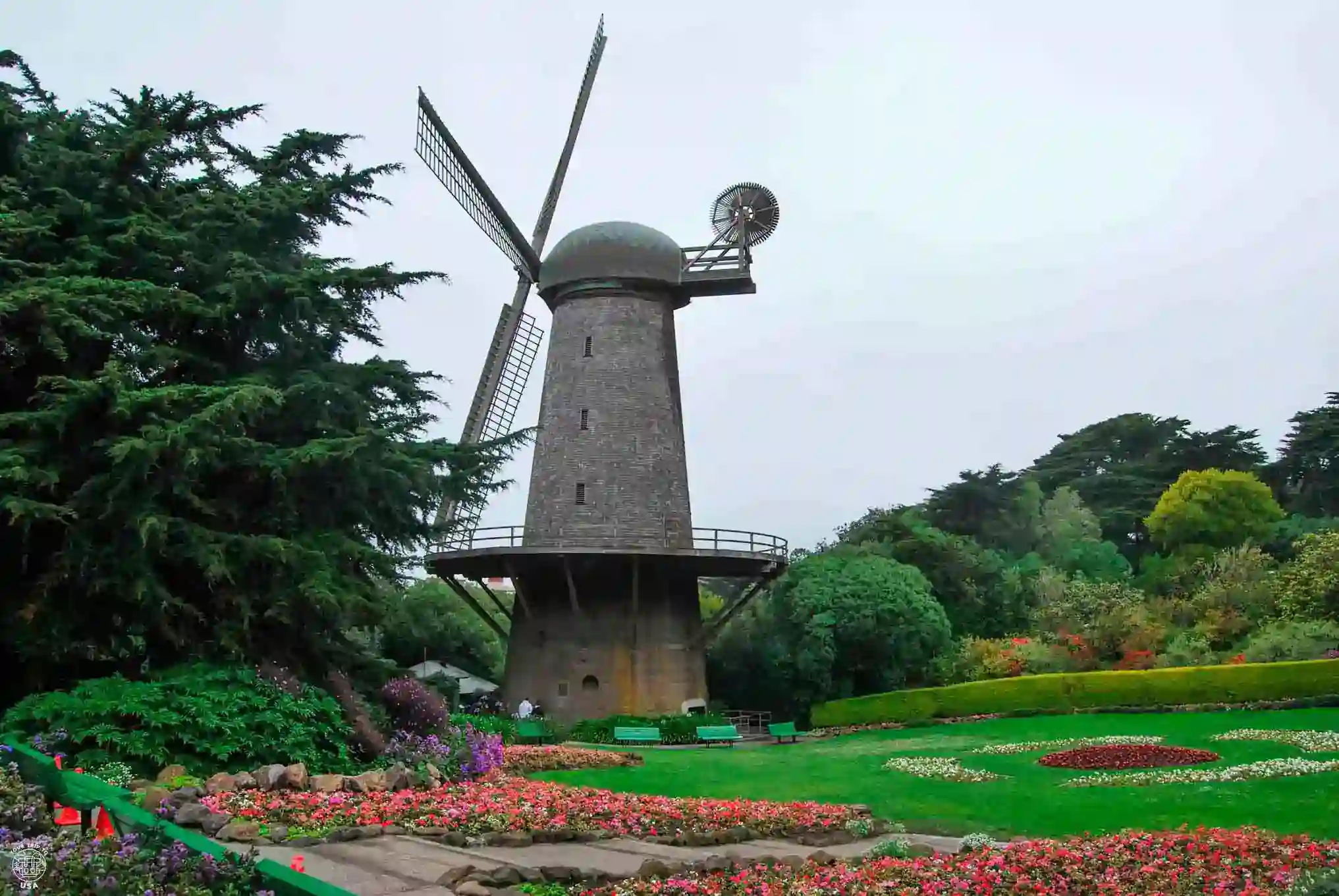
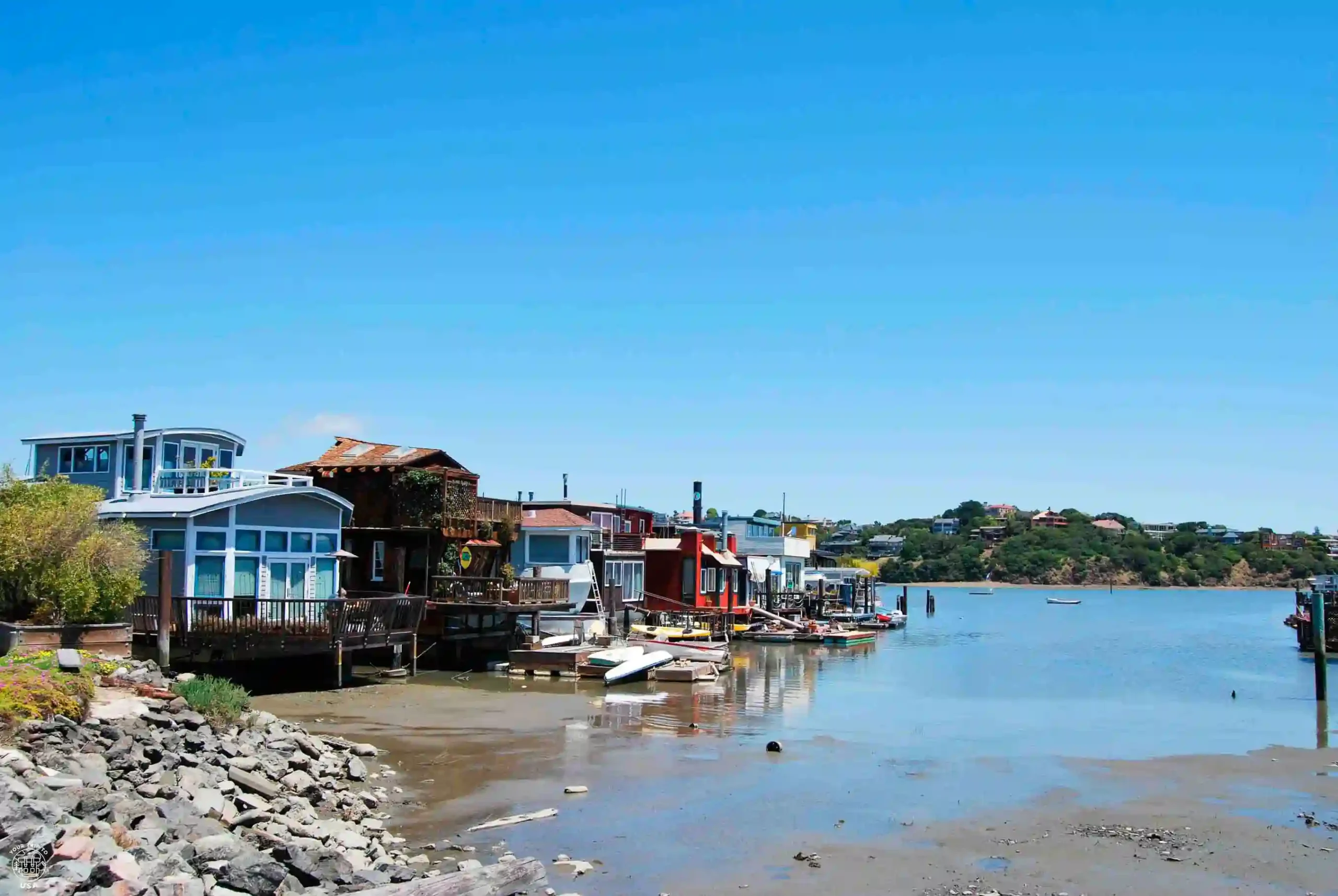
It's very likely that you've rented a car in the United States for your U.S. Southwest road trip itinerary. In case you have the car during your visit to San Francisco, you may know it isn't the ideal city to move around with a vehicle due to the multiple slopes and the high cost for parking. To the other hand, it can be useful to visit the surrounding are and the distant tourist spots as Golden Gate Bridge, Sausalito or Twin Peaks.
If you have a car in San Francisco, here are some tips:
- Look for accommodation that includes parking. In our post on where to stay in San Francisco we give you several options of hotels with free parking. The private parking lots or doing on the street in downtown areas is quite expensive. Some examples are:
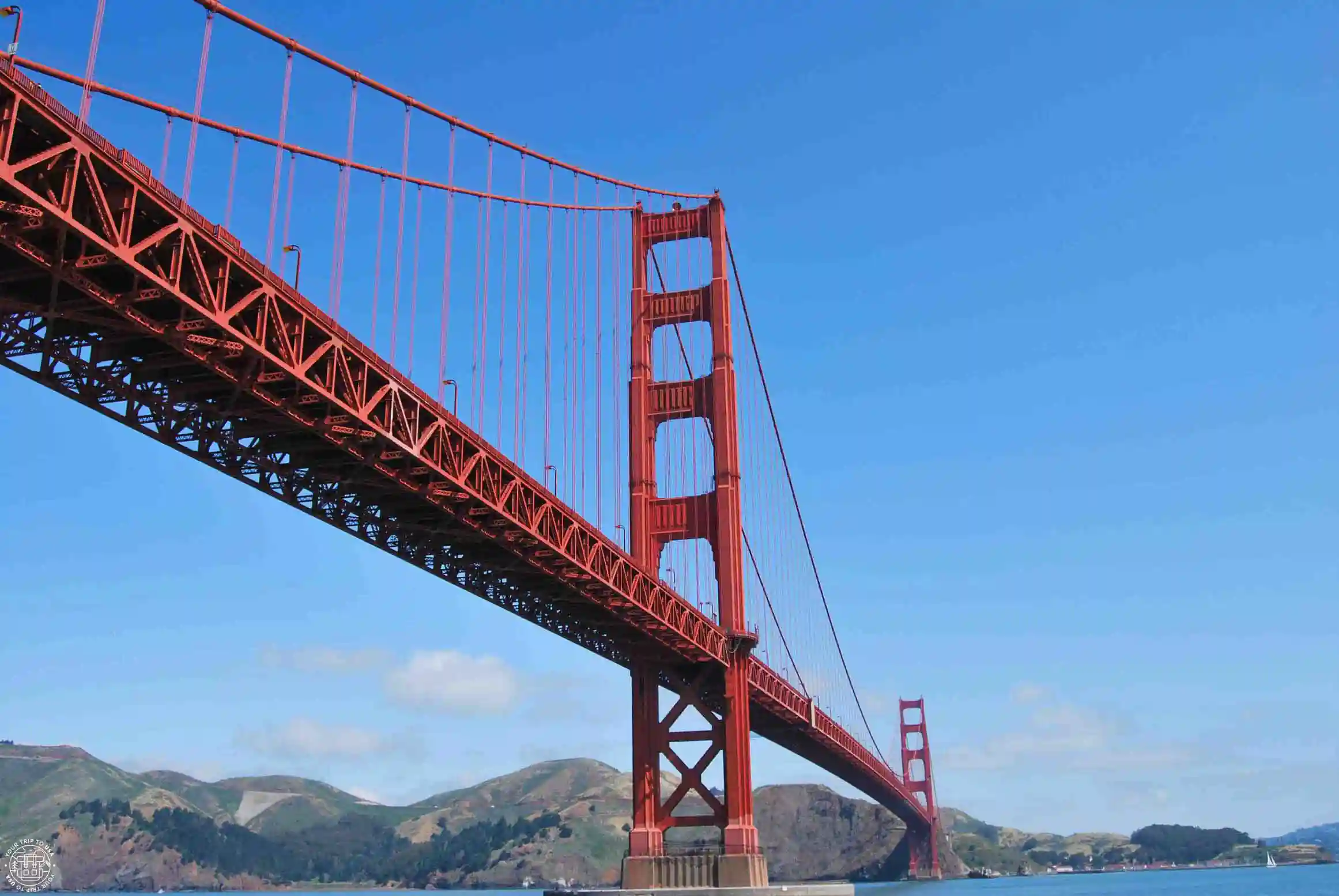
- Be careful with tolls. Both the Golden Gate Bridge (connects San Francisco with Sausalito) and the Bay Bridge (connects San Francisco with Oakland) are tolled, but only on the way into San Francisco (not on the way out of the city). To pay them (between $8 and $10) you should check with your rental company how to do it, whether through their FasTrak account or by paying yourself online. If you do it yourself, the maximum limit is 48 hours after the bridge has passed.

RENT A CAR IN THE UNITED STATES
The best way to explore the United States is by car, giving you the freedom to travel at your own pace.
🚗 Whether you’re looking for a convertible Mustang, a 4x4, or a regular car, we recommend to book through this car rental search engine
💸 This is where we find the best prices, both on the rental car itself and on full coverage insurance!
Ferries in San Francisco
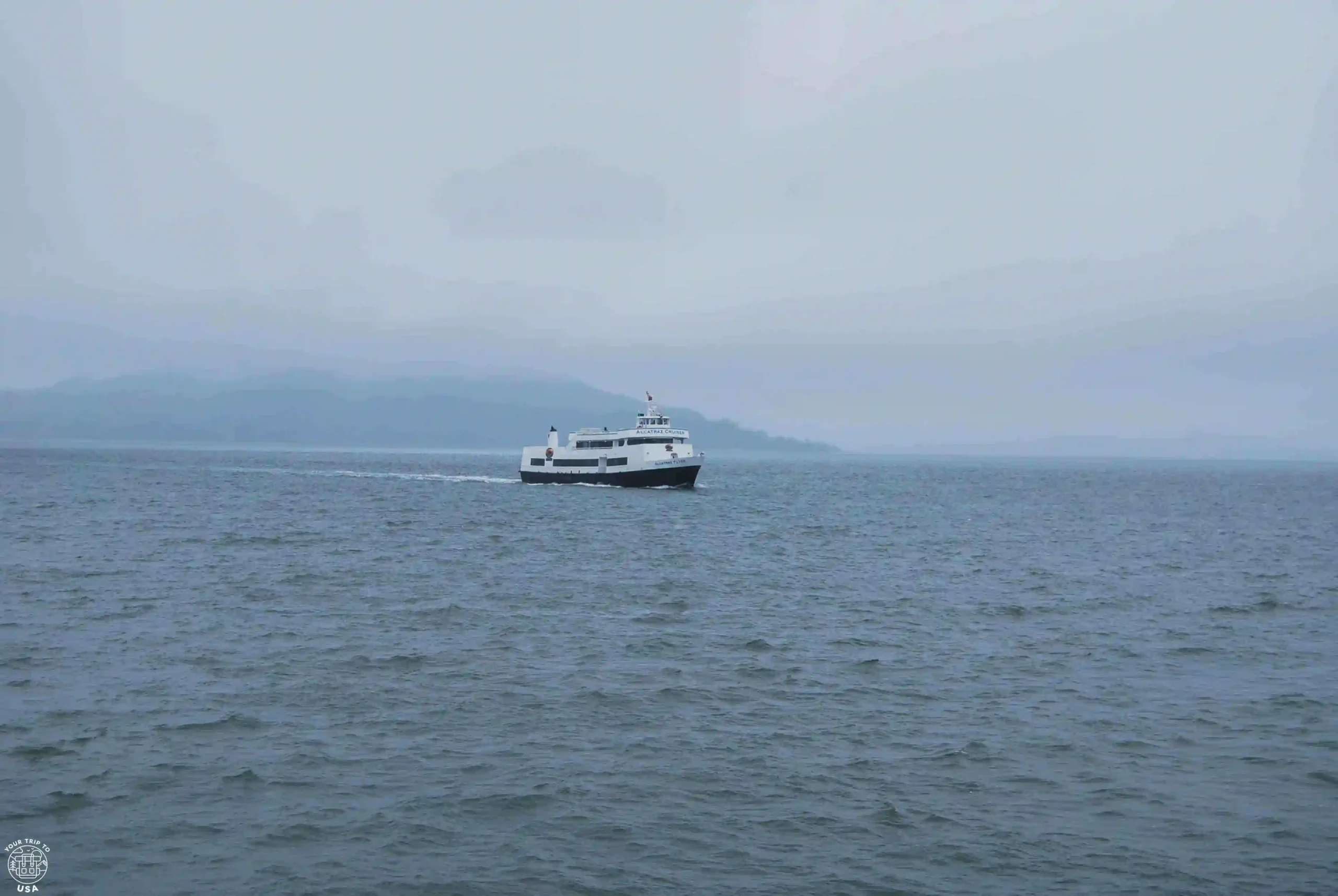
Apart from the tourist ferry tours, such as this Golden Gate Bay Cruise, there're routes that link Downtown San Francisco with its surroundings via the sea.
This is probably not a service that you'll use a lot while visiting San Francisco, only in case you're staying in Oakland. You can check itineraries and schedules here, and remember that you can also use the Clipper card on the ferries!
Bicycle in San Francisco
BayWheels is the bike share system in San Francisco, there're both regular and electric. We know that talking about bikes in a city full of hills doesn't sound very pleasant, but the city also has flat stretches 😊.
To use them as a tourist you can download the BayWheels app and you'll know which stops are available, also the Clipper card is valid to make the payment. Single rides cost $3.49 for the first 30 minutes and then $0.30 for each additional minute. You can take a look at the website here.
If, like us, you want to get to Sausalito by bike crossing the Golden Gate Bridge, we think the best option is to rent here a bike at Fisherman's Wharf. It's a long ride with several stops, so it'll be cheaper than the sharing system. In addition, you have the option to add the return ferry from Sausalito, which we recommend to save time and energy.
FAQs about getting around San Francisco
What’s the best way to get around San Francisco?
It depends on where you want to go, but the MUNI transit system is the most comprehensive, as it includes the Cable Car, the historic streetcar, the subway, and several bus routes.
Can you explore San Francisco on foot?
Yes, many places are accessible on foot, but it’s a city with many hills, and public transportation can sometimes be very useful. There are also tourist attractions that are somewhat far from downtown.
How much does public transportation cost?
A single-ride ticket on any MUNI network service costs around $3, except for the Cable Car, which is more expensive ($9). You can buy transit passes to save money if you plan to use public transportation multiple times.
Can you pay for public transportation with a card or your phone?
Yes, you can, although there’s also the Clipper Card, which is rechargeable.
Is it worth buying a transport pass?
The daily pass is worth it starting with your second trip, as long as you don’t plan to ride the Cable Car. The 1-Day Visitor Passport is a good deal if you’re going to ride the Cable Car more than once or if you ride the Cable Car once and take at least three trips on other types of transit.
Is it advisable to rent a car in San Francisco?
It can be useful for visiting nearby areas, but it’s not recommended for getting around the city due to traffic, hills, and parking.
Is it hard to park in San Francisco?
Yes, finding parking can be difficult and expensive, especially downtown and in tourist areas. If you have a car, it’s best to find a hotel that offers free parking.
Is Uber available in San Francisco?
Yes, both Uber and Lyft are available, and both apps work very well.
That's all for now! We hope this guide on transportation in San Francisco has been useful for you.